
Kashmir Border Tourism Sparks Economic Shift in Frontier Villages
Ceasefire agreements and infrastructure upgrades transform former conflict zones along the Line of Control into peaceful travel spots in the region in 2026.

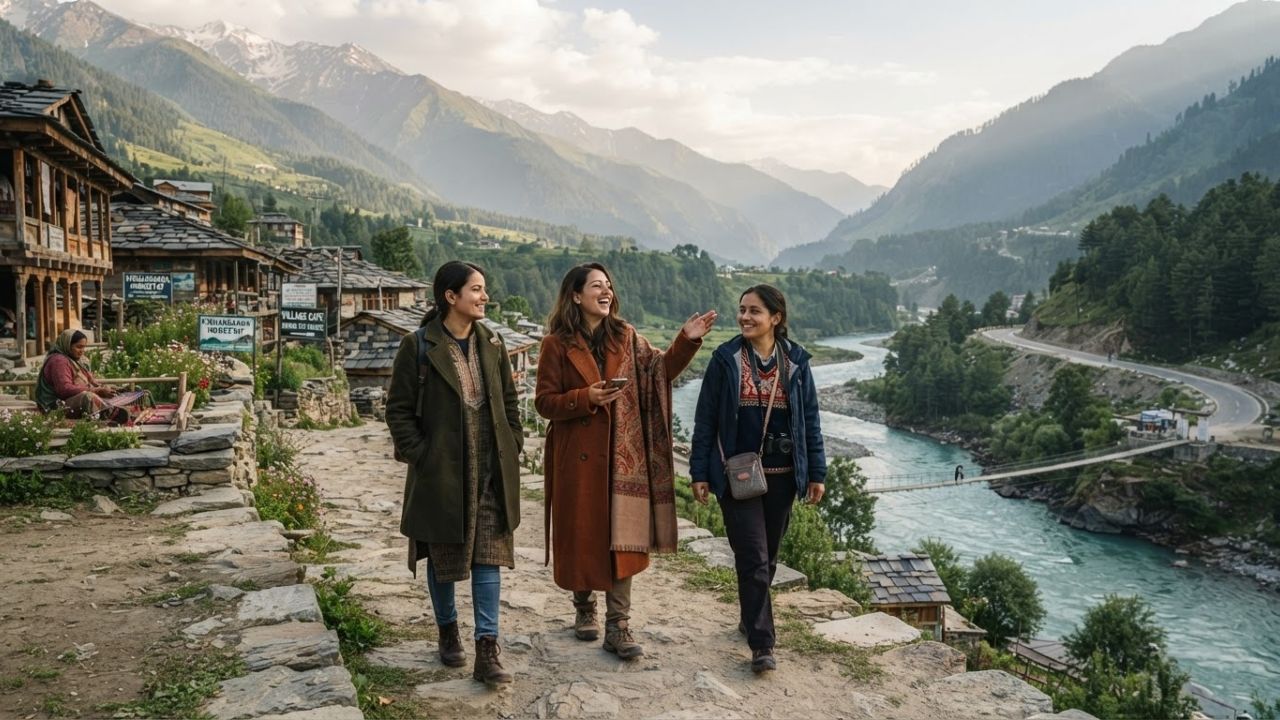
Image generated by AI
With tourism accounting for a vital portion of Kashmir's Gross State Domestic Product, newly accessible border villages along the Line of Control are transforming from former militarized zones into peaceful hubs for slow travel.
The Border Tourism Shift in Kashmir's Frontier Valleys
Kashmir's remote frontier villages along the Line of Control, including Keran, Tangdhar, Uri, and Gurez, are transforming into peaceful travel destinations. Historically associated with security challenges and restricted access, these areas were excluded from mainstream itineraries. However, a significant reduction in hostilities following ceasefire agreements has facilitated a return to normalcy. Supported by infrastructure enhancements, these remote villages have transitioned into active travel spots.
This geographic shift is opening new opportunities for rural tourism, helping to distribute the benefits of travel spending beyond traditional Kashmiri resorts. The rise of this niche sector is driven by historical curiosity and a desire to witness history, allowing travelers to engage with the region's complex identity. While past infrastructure was dictated by military necessity, modern development prioritizes civilian commerce, integrating these frontiers into the civilian economy.
Comparison of Kashmir Frontier Destinations
| Frontier Destination | Key Route & Access Point | Primary Attraction | Cultural & Historical Experience |
|---|---|---|---|
| Tangdhar | Driving across the Sadhna Pass | Sprawling alpine meadows | Scenic mountain pass transit |
| Teetwal | Kishanganga River banks | Ancient Sharada Temple restoration | Historical pilgrimage and heritage exploration |
| Uri | National Highway NH1 | Aman Setu (Peace Bridge) | Historic regional dialogue landmark |
| Gurez Valley | North of Srinagar via Razdan Pass | Habba Khatoon Peak | Indigenous Dard-Shin wooden architecture |
| Keran | Neelum Valley border highway | Kishanganga riverfront | Close-range frontier view facing neighboring territory |
Cultural Heritage and Direct Support for Frontier Communities
For the visitor, the real impact of border tourism is the opportunity to practice slow travel that directly benefits frontier communities. By avoiding large-scale commercial hotels and choosing local homestays, travelers ensure their spending stays within the community, supporting young entrepreneurs and reducing the economic pressure that historically forced youth migration.
In Gurez Valley, travelers can experience authentic encounters with the indigenous Dard-Shin community, learning about their unique traditions, distinct dialects, and traditional wooden architecture. In Teetwal, positioned securely along the banks of the pristine Kishanganga River, the historic restoration of the ancient Sharada Temple has emerged as a vital focal point for cultural heritage exploration, drawing pilgrims and history enthusiasts alike.
In villages such as Keran, government-sponsored homestay schemes encourage families to repurpose traditional wooden dwellings into visitor accommodations, decentralizing financial gains and creating sustainable employment.
Local Visitor Tips for Exploring the Line of Control
To ensure a safe and respectful journey through these sensitive frontier zones, travelers should follow these expert recommendations:
- Carry Identity Papers and Permits: Always carry multiple copies of your government-issued ID and inner line permits, as security checkpoints are positioned along all mountain transit routes.
- Respect Military Checkpoint Rules: Photography of military installations, bridges, or security personnel is strictly prohibited. Always follow security guidance at border check-posts.
- Off-Peak Visit Window: Plan your visits between late May and September. During the winter, heavy snow blocks mountain passes like Sadhna Pass and Razdan Pass, closing off access.
- Savor Local Dining Specialties: Try traditional Gurezi Kalaan (spiced local cheese) or warm Noon Chai (salted pink tea) accompanied by local flatbread.
- Support Local Crafts and Farmers: Directly fund border communities by purchasing wild black cumin (Kala Jeera) and hand-knit woolen socks directly from local village families.
Long-Term Regional Outlook for Frontier Travel
The long-term outlook for Kashmir's border tourism is defined by a shift toward sustainable, decentralized growth. As civilian commerce continues to expand, collaboration between the Jammu and Kashmir Tourism Department and local community councils remains vital. This balanced approach protects fragile Himalayan ecosystems, supports independent village businesses, and ensures that these historic border zones remain peaceful and clean.
By repurposing traditional infrastructure and fostering local hospitality training, the region is creating a model for rural development that preserves heritage while opening new doors for global exploration.
FAQ: Kashmir Border Tourism 2026
What is border tourism in Kashmir?
Border tourism involves visiting remote frontier villages along the Line of Control (LoC) that were historically restricted but are now accessible to civilians due to ceasefire agreements and improved infrastructure.
Do travelers need permits to visit villages like Gurez and Keran?
Yes, travelers must obtain inner line permits and carry multiple copies of their government-issued identity cards to present at various security checkpoints along the route.
What is the best time of year to visit these frontier regions?
The optimal travel window is between late May and September, when the mountain passes are clear of snow and weather conditions are favorable for driving.
How does border tourism support local communities?
By staying in family-run homestays, hiring local youth guides, and purchasing agricultural products directly from farmers, travelers provide direct economic support that helps reduce youth migration.
Related Travel Guides
Disclaimer
This article is for informational and educational purposes only. It does not constitute legal, financial, or professional advice. While we strive to provide accurate and up-to-date information, travel policies, regulations, and conditions change rapidly. Always verify information with official sources before making travel decisions. Nomad Lawyer makes no representations about the accuracy, reliability, completeness, or suitability of the information provided. Readers should consult qualified professionals for advice specific to their circumstances. The views expressed in this article are those of the author and do not necessarily reflect the views of Nomad Lawyer.
Preeti Gunjan
Contributor & Community Manager
A passionate traveller and community builder. Preeti helps grow the Nomad Lawyer community, fostering engagement and bringing the reader experience to life.
Learn more about our team →