
Germany Benefits from Dutch Travel Shift Amid Rising Netherlands Accommodation Taxes
A surge in Dutch accommodation VAT from 9 percent to 21 percent on January 1, 2026, redirects cross-border holiday traffic to Germany’s nature parks.

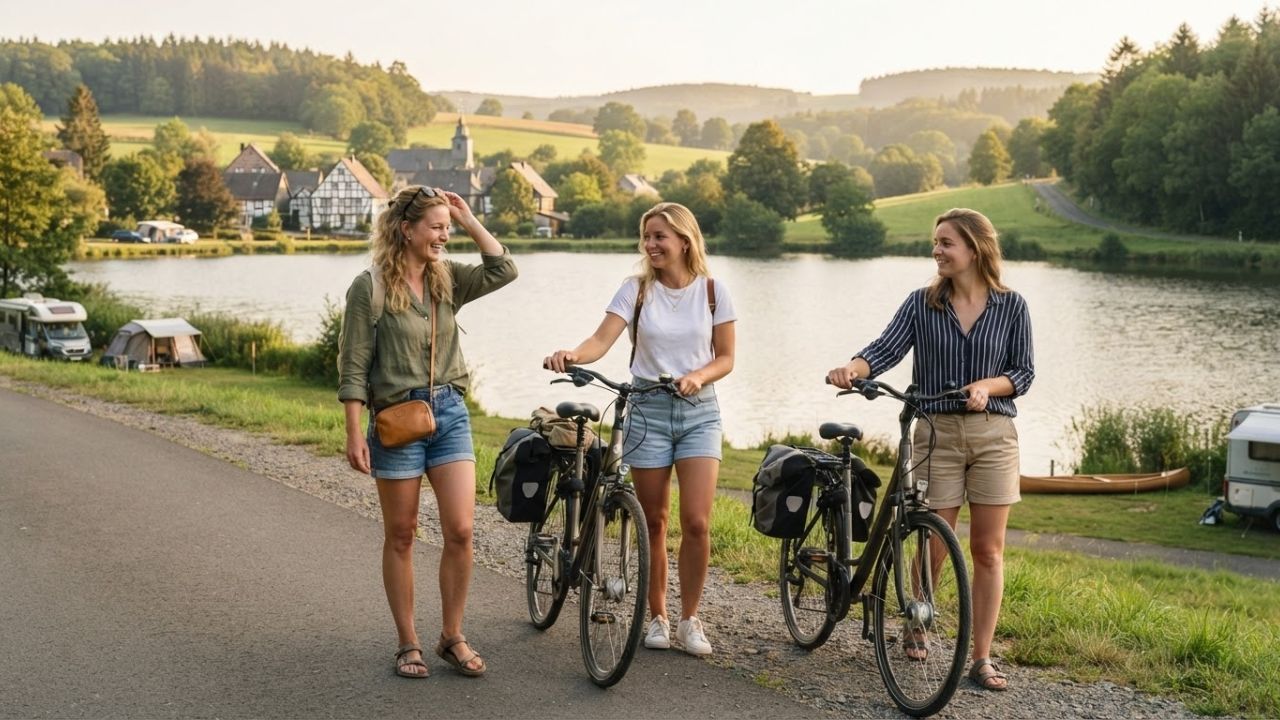
Image generated by AI
Germany is emerging as the primary beneficiary of a cross-border tourism shift, as rising accommodation costs in the Netherlands drive Dutch travelers to seek more affordable neighboring destinations. Following a Dutch value-added tax hike on accommodation from 9 percent to 21 percent on January 1, 2026, budget-conscious holidaymakers are increasingly redirecting their trips to Germany's nature parks and campsites.
The leisure travel sector in Western Europe is observing a significant realignment, with tourists comparing lodging taxes and transportation overheads before selecting holiday spots. In the Netherlands, a major increase in the value-added tax (VAT) rate for accommodations—rising from 9% to 21% on January 1, 2026—has immediately impacted hotels, holiday parks, and short-stay campsites. As domestic lodging expenses rise, Dutch residents are actively exploring nearby international destinations that offer comparable outdoor and cultural experiences without high travel costs. Germany, with its close geographical proximity and extensive network of national parks and campgrounds, is capturing a major share of this redirected holiday traffic.
For the traveler, the real impact of this cost shift is the opportunity to enjoy affordable vacations by crossing the border. Utilizing regional rail networks and well-developed road connections, families can access German holiday destinations quickly and cost-effectively, maintaining their travel habits while managing their household budgets.
Tax Restructuring Drives Cross-Border Tourism Flows
The increase in Dutch accommodation taxes has changed the competitive balance between domestic resorts and neighboring alternatives:
- VAT Adjustments: The change on January 1, 2026, which raised lodging taxes to 21%, affected the pricing structure of short-stay properties across the Netherlands, encouraging travelers to compare local rates with nearby destinations.
- Germany's Market Strength: In 2025, Dutch visitors recorded around 11.7 million overnight stays in Germany, establishing the Netherlands as Germany's leading foreign source market by a wide margin. In comparison, the United States and Switzerland each recorded fewer than 7 million overnight stays.
- Frequent Short Trips: While France remained the top foreign destination for Dutch travelers in 2025 with approximately 2.15 million trips, Germany followed closely with approximately 1.73 million trips. Germany's proximity makes it highly competitive for frequent, short-distance travel like weekend getaways and school holidays.
This trend demonstrates how small changes in local tax policies can redirect regional travel flows toward markets that offer better value for money.
The Appeal of German Nature Reserves and Campsites
Germany's diverse natural environments, including forests, lakes, and mountain ranges, provide a strong alternative for Dutch travelers who favor active and nature-based holidays:
- Outdoor Infrastructure: The country offers a large network of campsites, holiday homes, and nature resorts, allowing families to enjoy outdoor vacations at lower costs than domestic Dutch lodging. German campgrounds often feature advanced facilities, including eco-friendly waste disposal, electric vehicle charging stations, and communal outdoor kitchens, which appeal directly to the high standards expected by Dutch caravanners.
- Regional Beneficiaries: Border regions, rural districts, and lake areas are seeing increased demand from Dutch visitors. Popular activities like cycling, hiking, and wellness retreats match the traditional travel preferences of the Dutch market. Popular border regions like the Lower Rhine and the Münsterland provide extensive flat terrains that are ideal for cycling tours, mirroring the topography of the Netherlands but offering a fresh, international setting. Furthermore, wellness resorts in the Baden-Württemberg region and thermal baths in North Rhine-Westphalia offer affordable relaxation packages, allowing travelers to customize their itineraries to fit their specific financial constraints while still enjoying high-quality leisure experiences.
- Transportation Convenience: Because many German nature reserves can be reached easily by road and rail, travelers can organize trips with low transportation costs, bypassing expensive flight bookings.
This combination of accessibility and natural diversity helps Germany maintain high visitor volumes during the traditional shoulder seasons.
Ecotourism and Community Support in Germany
Managing the growth of cross-border travel requires visitors to respect local ecosystems and support rural communities. For the traveler, the real impact is the opportunity to practice sustainable travel by using green transit links. Instead of driving private vehicles, Dutch holidaymakers can use Deutsche Bahn's regional rail links or ride along the well-marked cross-border cycling paths, reducing travel emissions.
Furthermore, travelers can support the local German economy by staying in independent, family-run guesthouses ("Gasthöfe") and purchasing organic honey, cheeses, and regional wines directly from weekly farmers' markets. This direct support helps fund conservation efforts in the Eifel National Park and keeps tourism revenue within rural family businesses, protecting traditional farming environments. By choosing to travel during the spring and autumn shoulder seasons, visitors help reduce the seasonal congestion that can strain local water and waste infrastructures in popular tourist villages. Respecting the local rules of German national parks, such as staying on marked hiking trails and keeping dogs on leads, protects the habitats of endangered bird species and wild boar populations. Purchasing traditional German crafts, woodworks, and organic products directly from independent artisans in local villages ensures that the financial benefits of tourism are distributed equitably across the regional economy, rather than being captured by global booking corporations.
Destination Specialist Local Insider Tips
To help you explore Germany's nature reserves and manage your holiday budget safely and comfortably, regional specialists suggest the following local tips:
- Understand German Sunday Quiet Hours: Keep in mind that Germany strictly enforces "Ruhezeit" on Sundays and public holidays. Avoid loud activities, do not mow lawns or play loud music, and note that supermarkets and retail shops are closed.
- Savor Sauerbraten and Currywurst: Try regional gastronomy. Sample a traditional Sauerbraten (marinated beef pot roast served with red cabbage and potato dumplings) or a quick Currywurst at local taverns.
- Utilize Regional DB Rail Networks: Reduce transport costs and emissions by taking Deutsche Bahn's regional trains (such as the RE lines linking border areas) or riding along the well-marked cross-border cycling lanes.
- Carry Cash in Small Towns: Unlike the highly digitized Netherlands where card payments are standard everywhere, cash remains widely preferred in rural German shops, guest houses, and family-run campsites. Always carry euros to avoid payment difficulties.
- Book Eifel Camping Off-Peak: Plan your visits to Eifel National Park or Sauerland in May-June or September-October to enjoy pleasant weather (around 12°C to 18°C) and avoid summer school holiday crowds.
- Explore the Moselle Valley Castles: Hike or cycle along the Moselle River in western Germany to visit historic hillside vineyards and medieval castles like Burg Eltz, which offers affordable family entry fees.
Long-Term Outlook for European Value-Based Travel
The long-term outlook for sustainable tourism and cross-border value-based travel remains highly positive, supported by the integration of regional rail infrastructure, municipal conservation policies, and international hiking path developments. As travelers continue to focus on total vacation costs, destinations that offer high-quality infrastructure and affordable options will remain highly competitive.
As German tourism operators continue to develop family-friendly camping facilities and nature trails, the collaboration between cross-border transportation authorities and regional development boards will remain essential. This balanced approach protects local ecosystems, supports rural economies, and ensures that Germany remains a preferred destination for future generations of international travelers.
Related Travel Guides
Disclaimer
This article is for informational and educational purposes only. It does not constitute legal, financial, or professional advice. While we strive to provide accurate and up-to-date information, travel policies, regulations, and conditions change rapidly. Always verify information with official sources before making travel decisions. Nomad Lawyer makes no representations about the accuracy, reliability, completeness, or suitability of the information provided. Readers should consult qualified professionals for advice specific to their circumstances. The views expressed in this article are those of the author and do not necessarily reflect the views of Nomad Lawyer.
Kunal K Choudhary
Co-Founder & Contributor
A passionate traveller and tech enthusiast. Kunal contributes to the vision and growth of Nomad Lawyer, bringing fresh perspectives and driving the community forward.
Learn more about our team →