
Arunachal Pradesh Develops Border Villages Into New Cultural Tourism Gateways
Arunachal Pradesh is transforming its remote frontier villages under the Vibrant Villages Programme, creating sustainable tourism opportunities in border areas.

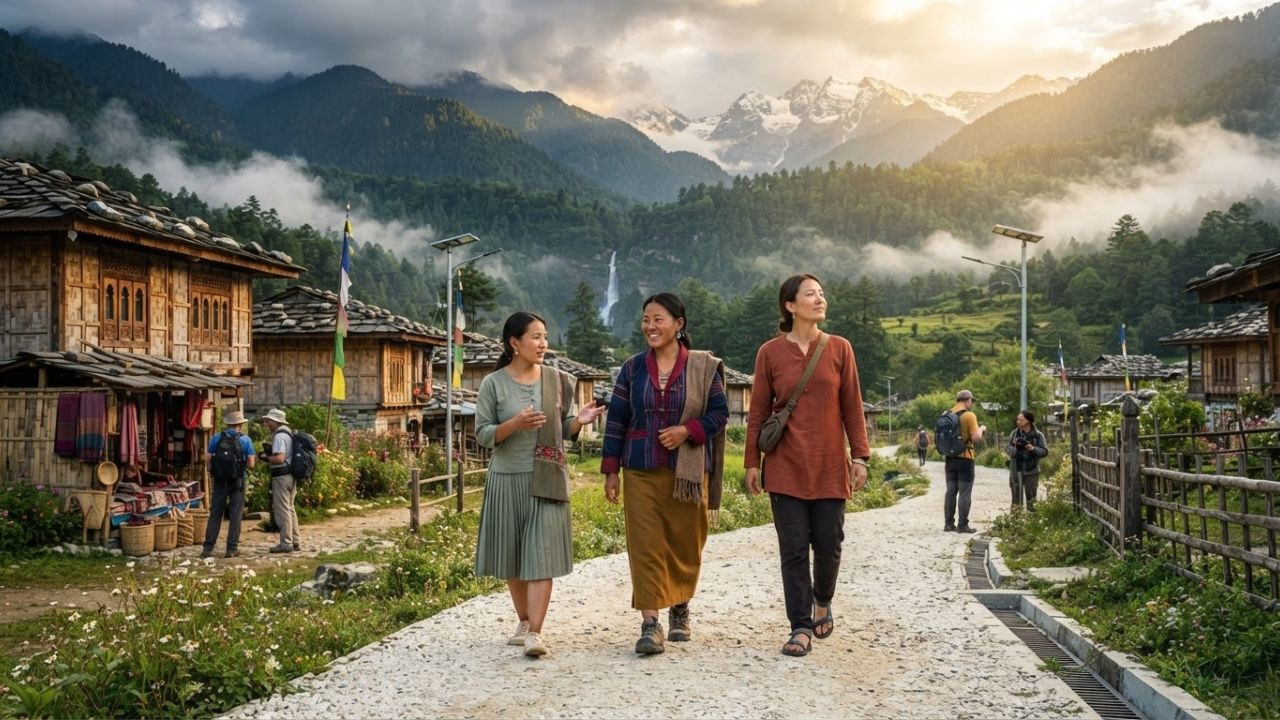
Image generated by AI
Arunachal Pradesh is transforming its remote frontier regions into active cultural tourism gateways under the central government's Vibrant Villages Programme. By investing Rs 2,800 crore across 455 villages in Phase-I along the India-Tibet border, the regional administration aims to build infrastructure and support local livelihoods during the height of the Himalayan travel season.
Unlocking Frontier Destinations Through the Vibrant Villages Programme
The development of border communities is introducing a major shift in the tourism sector of Arunachal Pradesh. During the 80th Independence Day celebrations held at Indira Gandhi Park in Itanagar, Chief Minister Pema Khandu highlighted that frontier villages are transforming from remote checkpoints into centers of local enterprise, community building, and adventure travel. This transformation is driven by the central government's Vibrant Villages Programme, which aims to improve quality of life and create sustainable economic opportunities in border regions.
Under Phase-I of the programme, projects worth approximately Rs 2,800 crore are being implemented across 455 villages situated along the India-Tibet (China) border. The initiative focuses on upgrading basic infrastructure, including road connectivity, power grids, drinking water systems, and telecommunication networks. According to state planning reports, the primary focus of Phase-I is to check the out-migration of people from border areas by providing them with urban-like amenities and economic opportunities. By upgrading local schools, establishing primary health centers, and improving banking access, the government aims to create self-sufficient border hubs that can host visitors comfortably. By establishing a reliable foundation in these remote settlements, the government is helping them prepare for sustainable visitor growth. The second phase of the programme has expanded its coverage to include 122 villages along the India-Myanmar and India-Bhutan borders, ensuring that the benefits of border infrastructure development are distributed across the state's diverse frontier regions.
Cultural Preservation and Homestay Tourism in Himalayan Villages
Arunachal Pradesh is globally recognized for its mountains, river basins, and rich cultural traditions, but many frontier communities remained isolated due to difficult terrain and limited transport options. The Vibrant Villages Programme is addressing these limitations by promoting the unique cultural and natural attractions of these border communities. This development introduces new travel options beyond traditional routes, allowing visitors to explore remote valleys and learn about local indigenous lifestyles.
The Directorate of Tourism of Arunachal Pradesh has conducted training programs for over 500 homestay operators in border districts to teach hospitality standards, food hygiene, and sustainable waste management. By equipping local hosts with these skills, the state ensures that travelers receive a comfortable stay while preserving the authentic simplicity of traditional village life. The promotion of border tourism focuses on the traditional lifestyles of local communities. For the visitor, the real impact is the opportunity to move away from crowded tourist centers and experience authentic Himalayan culture. Local families are participating directly in the travel sector by establishing community-based homestays. These homestays allow travelers to stay in traditional wooden stilt houses, participate in daily household activities, and experience the cultural heritage of the region, creating a mutually beneficial relationship between host communities and visitors.
Sustainable Livelihoods and the Rural Economy of Northeast India
One of the most important goals of the border village development program is the creation of sustainable livelihood opportunities for local communities. As these villages become more accessible, residents can explore opportunities linked to tourism and local businesses. This local economic development is essential to strengthen the rural economy and prevent population migration from border districts to urban areas.
Tourism-related business opportunities include operating homestays, providing local transport services, guiding trekking expeditions along old border trails, and selling traditional handicrafts and agricultural products. By keeping the benefits of tourism within the host communities, the programme ensures that local residents are active participants in regional economic growth. This model supports local self-reliance and gives younger generations the opportunity to build careers within their native villages, preserving their cultural connections to the land.
Integrating Clean Energy and Environmental Conservation
Alongside the expansion of border tourism, the regional government is focusing on the state's significant hydro-power potential and its role in India's clean energy transition. Chief Minister Pema Khandu emphasized that Arunachal Pradesh holds a central position in supporting national renewable energy targets and achieving net-zero emissions.
The combination of infrastructure development and clean energy generation must be balanced with strict environmental protection measures. As tourism expands into fragile alpine ecosystems, sustainable travel practices remain essential to prevent environmental degradation. Official regional conservation bodies and local tourism departments work to manage visitor growth responsibly, encouraging eco-friendly waste management, energy efficiency, and wildlife protection in sensitive border zones.
Visitor Guide: Permit Rules, Local Dining, and Cultural Etiquette
Exploring the remote border regions of Arunachal Pradesh requires careful preparation regarding travel permits, road conditions, and regional customs. By following these guidelines, travelers can ensure a safe and respectful journey.
Before planning your trip, note that all domestic travelers must obtain an Inner Line Permit (ILP) through the official government portal (eilp.arunachal.gov.in) before entering the state. Foreign nationals are required to obtain a Protected Area Permit (PAP) in advance through a registered tour operator. Keep multiple printed copies of your permits ready, as you will need to present them at various regional checkpoints. If you plan to travel to sensitive border zones like Kibithu and Kaho in the Anjaw district, or Zemithang in the Tawang district, confirm current accessibility with local authorities beforehand.
When traveling in districts populated by the Monpa people, try local dining specialties that showcase their culinary traditions. Sample Zan, a traditional dish made from millet or buckwheat flour stirred into boiling water, served with green vegetables and Chamin (a spicy chutney made from fermented cheese and chilies). Taste Lukter, a dry meat dish seasoned with chili flakes, and Puta, traditional buckwheat noodles. Enjoy a cup of Sueja (salty butter tea) or Chang, a traditional millet-based beverage served during social gatherings. Greet locals with the respectful term "Tashi Delek" to express good wishes.
Observe strict cultural etiquette to respect local communities. Always ask for permission before taking photographs of residents, private homes, or religious shrines. Remove your shoes before entering traditional homes and Monpa monasteries (gompas). Use your right hand when shaking hands, giving, or receiving items, and avoid pointing with your index finger; instead, use your right thumb with your fingers folded. Carry sufficient cash, as ATMs are rare in remote villages, and travel with an experienced driver who understands the narrow mountain roads.
Future Outlook: Establishing New Himalayan Gateways
The long-term development of Arunachal Pradesh's border regions is set to position the state as a leading destination for off-the-beaten-path travel. By transforming remote border villages into accessible tourist gateways, the state is expanding its economic and cultural horizons.
In addition, the state is developing new adventure trails and mountaineering routes in collaboration with the National Institute of Mountaineering and Adventure Sports (NIMAS). By mapping these routes and training local youths as certified adventure guides, the administration aims to attract high-value trekkers and outdoor enthusiasts. This coordinated effort will make the frontier villages key destinations for adventure travel in India. Ultimately, the viability of border tourism depends on continued infrastructure investment and strong community participation. By building roads, improving mobile connectivity, and supporting local homestay entrepreneurs, Arunachal Pradesh is creating a resilient foundation for its visitor economy. This comprehensive development strategy ensures that remote frontier communities are not left behind, allowing them to share their unique cultural heritage and natural landscapes with the world.
Related Travel Guides
Disclaimer
This article is for informational and educational purposes only. It does not constitute legal, financial, or professional advice. While we strive to provide accurate and up-to-date information, travel policies, regulations, and conditions change rapidly. Always verify information with official sources before making travel decisions. Nomad Lawyer makes no representations about the accuracy, reliability, completeness, or suitability of the information provided. Readers should consult qualified professionals for advice specific to their circumstances. The views expressed in this article are those of the author and do not necessarily reflect the views of Nomad Lawyer.
Kunal K Choudhary
Co-Founder & Contributor
A passionate traveller and tech enthusiast. Kunal contributes to the vision and growth of Nomad Lawyer, bringing fresh perspectives and driving the community forward.
Learn more about our team →