
Japan Tourism 2026: Record 42.7 Million Visitors Trigger New Fees at Mount Fuji and Kyoto
Japan is pivoting toward a sustainable visitor economy after welcoming 42.7 million tourists in 2025, introducing tiered hotel taxes in Kyoto and strict climbing quotas for Mount Fuji.

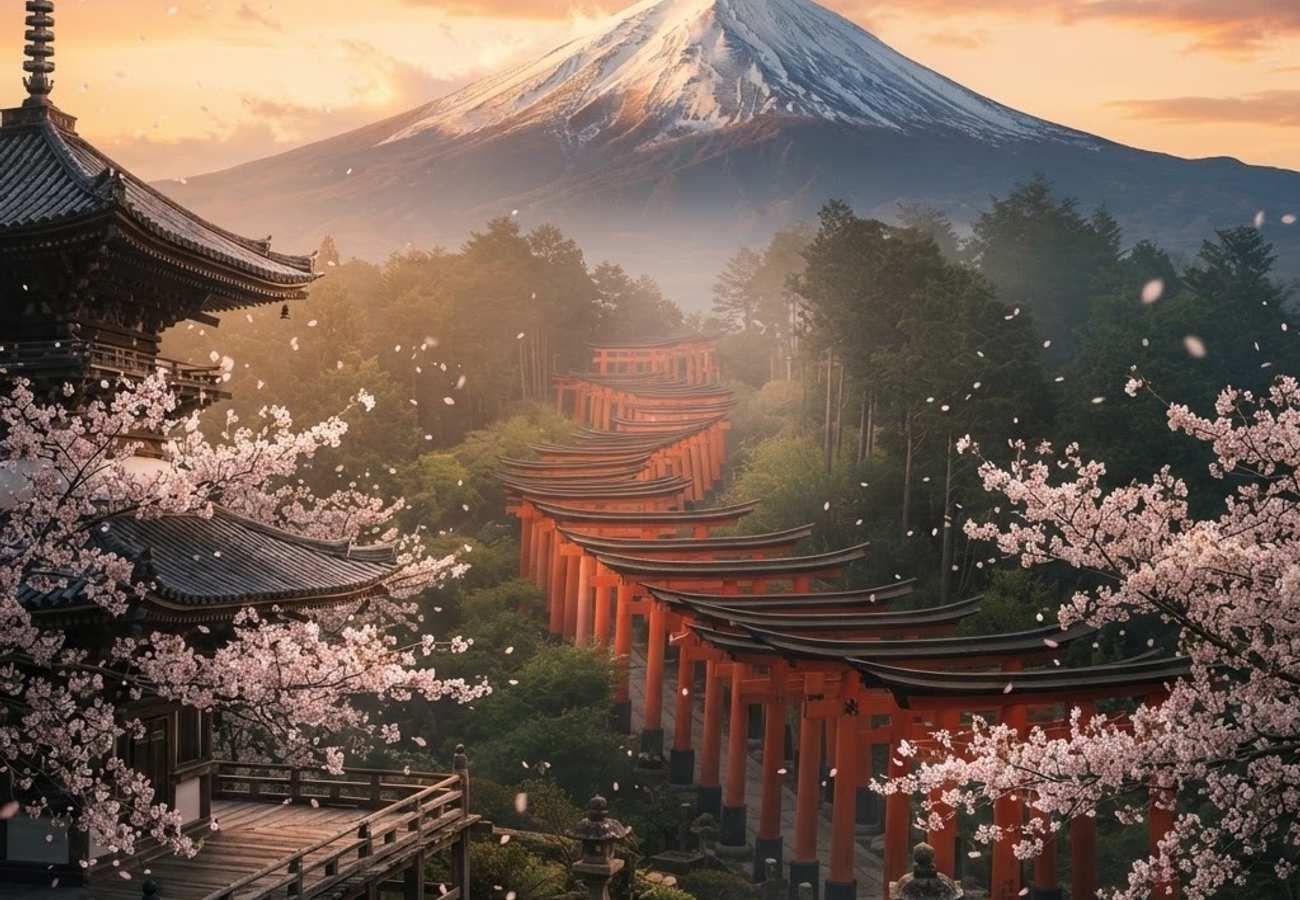
Image generated by AI
Japan welcomed a record 42.7 million overseas visitors in 2025, sparking a systemic shift toward a managed visitor economy. To protect infrastructure, iconic sites like Mount Fuji and Kyoto are now implementing aggressive fee structures and entry quotas.
The era of unrestricted, low-cost access to Japan’s most prized landmarks is ending. As the nation pursues a long-term target of 60 million annual international arrivals by 2030, the focus has pivoted from sheer volume to "value-based" tourism. The result is a series of strategic interventions designed to redistribute the financial burden of tourism from local taxpayers to the visitors themselves.
The Shift to Managed Access in Kyoto
Kyoto, the cultural heart of Japan, is currently the primary testing ground for balancing resident quality of life with global demand. The city has moved beyond simple promotion, now utilizing a tiered accommodation tax system that scales based on the luxury level of the stay.
For high-end travelers, the financial impact is significant. Guests booking premium properties with rates of at least ¥100,000 (approximately $628) per person per night are now subject to a tourism tax of ¥10,000 (approximately $63) per night. These funds are earmarked for infrastructure upgrades and the maintenance of public services strained by the influx of millions of annual visitors.
Beyond lodging, the city is exploring a dual-pricing model for public transport. To alleviate the congestion on local buses and sightseeing routes, authorities are considering reduced fares for residents while maintaining standard rates for visitors.
Mount Fuji: Ending the "Bullet Climbing" Era
Mount Fuji has transitioned from an open-access landmark to a strictly regulated zone. Starting in the 2026 climbing season, a mandatory ¥4,000 (approximately $25) fee is required for all four main ascent routes.
This financial barrier is paired with rigorous capacity controls to eliminate "bullet climbing"—the dangerous practice of hiking to the summit overnight without rest. The management varies by trail:
- The Yoshida Trail (Yamanashi side): Now capped at 4,000 climbers per day. Visitors without overnight hut reservations may be denied entry during restricted hours.
- Shizuoka-side Trails: Require mandatory safety guidance and official entry approval prior to the ascent.
Himeji Castle and the Resident-First Pricing Model
The debate over "tourist pricing" has reached a peak at Himeji Castle, a UNESCO World Heritage Site. Rather than implementing a specific "foreign national" surcharge, the site has adopted a residency-based model.
As of 2026, general adult admission has risen to ¥2,500 (approximately $16). However, eligible residents of Himeji city pay a significantly reduced rate of ¥1,000 (approximately $6). This means a domestic tourist from Tokyo pays the same premium rate as an international visitor.
The data from this shift reveals a compelling trend in visitor behavior. In the first month of the new pricing, attendance dropped by approximately 17%, yet total ticket revenue more than doubled. This suggests that higher pricing can successfully decouple revenue growth from physical overcrowding.
Cultural & Environmental Value
For the visitor, the real impact is a transition from being a passive observer to a direct contributor to conservation. By integrating fees with permits and quotas, Japan is moving toward a model where the cost of preserving a UNESCO site or a volcanic ecosystem is embedded in the ticket price. This prevents the degradation of heritage sites and ensures that local communities do not bear the sole cost of waste management and infrastructure wear.
Visitor Insider Tips
- The "Off-Peak" Window: To avoid the strictest quotas and highest crowds, target the "shoulder seasons" of late October to early December, avoiding the peak cherry blossom and summer climbing windows.
- Booking Strategy: For Mount Fuji, book mountain huts months in advance. Without a reservation, you risk being turned away from the Yoshida Trail due to the 4,000-person daily limit.
- Transport Etiquette: In Kyoto, consider renting a bicycle or using the subway over the city buses. Local residents rely on buses for daily commutes, and using alternative transport is viewed as a mark of a respectful traveler.
- Dining Local: Seek out "Shokudo" (small local eateries) in residential neighborhoods away from the Gion district to support the local economy directly.
Tourism Outlook
Japan is setting a global precedent for how high-demand destinations can survive their own popularity. By prioritizing "Sustainable Visitor Economy" metrics over raw arrival numbers, the country is ensuring that its cultural identity isn't erased by the scale of its success. The long-term impact will likely be a more curated, higher-spending visitor profile and a more sustainable relationship between the Japanese people and the millions who visit their shores.
The era of the budget-unlimited trek is over; the era of the conscious contributor has begun.
Related Travel Guides
Disclaimer
This article is for informational and educational purposes only. It does not constitute legal, financial, or professional advice. While we strive to provide accurate and up-to-date information, travel policies, regulations, and conditions change rapidly. Always verify information with official sources before making travel decisions. Nomad Lawyer makes no representations about the accuracy, reliability, completeness, or suitability of the information provided. Readers should consult qualified professionals for advice specific to their circumstances. The views expressed in this article are those of the author and do not necessarily reflect the views of Nomad Lawyer.
Raushan Kumar
Founder & Lead Developer
Full-stack developer with 11+ years of experience and a passionate traveller. Raushan built Nomad Lawyer from the ground up with a vision to create the best travel and law experience on the web.
Learn more about our team →