
The End of Spontaneous Travel: Why Kyoto, Amsterdam, and Maui are Becoming More Complex in 2026
Beloved travel icons like Kyoto, Amsterdam, and Maui are shifting from effortless escapes to highly regulated zones, requiring advanced bookings and new fees to combat overtourism.

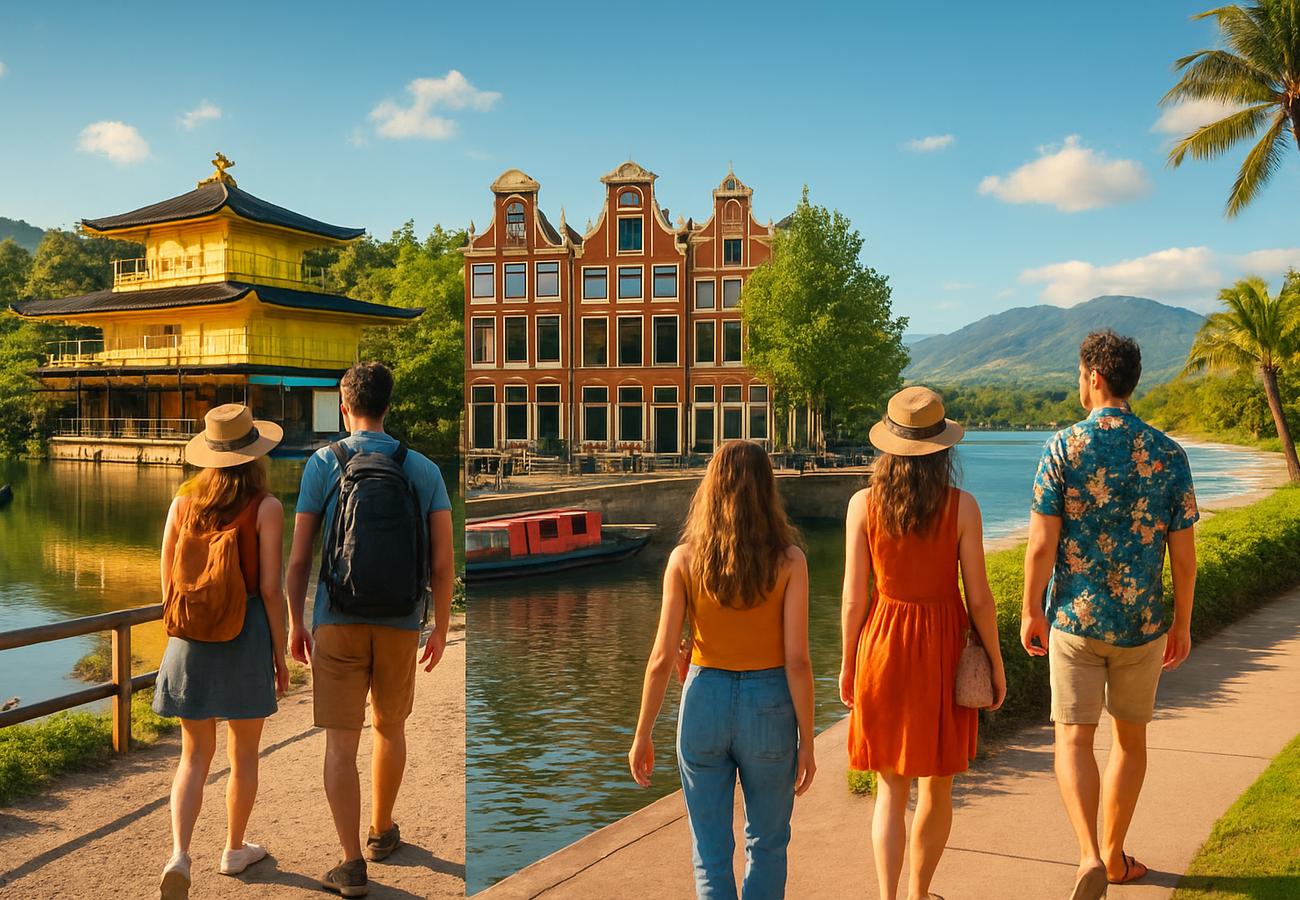
Image generated by AI
Quick Summary
- Overtourism and environmental degradation have forced many of the world's most popular destinations — including Kyoto, Amsterdam, and Maui — to implement strict new regulations as of May 2026.
- Travelers now face a new reality of timed-entry tickets, mandatory reservation systems for natural parks, and significantly higher tourist taxes aimed at preserving local infrastructure and resident quality of life.
- Iconic sites such as the Galápagos Islands have further tightened conservation rules, making independent travel more difficult and expensive through mandatory certified guides and entry fees.
- Travel experts warn that the era of "spontaneous escapes" is ending, as peak-season slots for major attractions now fill up months in advance.
For decades, destinations like Kyoto, Amsterdam, and the islands of Maui were synonymous with effortless, spontaneous exploration. However, as of May 2026, the global tourism landscape has undergone a fundamental shift.
Driven by the need to combat overtourism and protect fragile ecosystems, local governments have introduced a series of complex hurdles — ranging from digital booking windows to steep environmental levies — that have effectively ended the era of carefree, "show-up-and-go" travel.
Global Breakdown: The New Rules of Entry
The implementation of these measures varies by region, but the underlying goal remains the same: managing the human footprint on historic and natural treasures.
Kyoto, Japan: The Structured Tradition
Kyoto has transitioned from an open-city experience to a highly structured one. To manage the massive influx of international visitors, many of the city's most revered sites now require timed-entry tickets.
- Key Sites: Fushimi Inari Shrine and the Kinkaku-ji (Golden Pavilion).
- The Change: Spontaneous strolls through temple grounds have been replaced by strict appointment windows, requiring travelers to plan their day-to-day itineraries weeks before arrival.
Amsterdam, Netherlands: Taxing the Influx
Amsterdam has aggressive new measures to reduce "nuisance tourism" and prioritize its permanent residents.
- New Levies: Increased tourist taxes and entry fees for the Rijksmuseum and Anne Frank House.
- Infrastructure Limits: Strict caps on short-term rentals and new fees for day-trippers aim to curb the sheer volume of visitors in the historic canal district.
Maui, Hawaii: Reservations for the Volcano
The "Road to Hana" and the sunrise at Haleakalā National Park used to be the ultimate spontaneous road trips. Today, they are governed by digital reservation systems.
- Mandatory Bookings: Advanced reservations are now required for nearly all major natural attractions on the island.
- The Impact: Travelers who fail to book their slots during the specific release windows are often finding themselves entirely locked out of Maui’s most iconic landscapes.
Conservation vs. Accessibility: The Galápagos Model
Perhaps the most extreme example of this trend is found in the Galápagos Islands. To protect its unique biodiversity, the Ecuadorian government has implemented a strict conservation framework that makes independent travel nearly impossible.
- Mandatory Guides: All visitors must now hire certified guides for nearly every excursion.
- Preservation Fees: Entry tickets have become significantly more expensive, with the revenue diverted directly into environmental restoration and local sustainability projects.
Traveler Advice: Navigating the New Normals
While these regulations add layers of complexity and cost, they are viewed by travel experts as essential for the long-term survival of these destinations. To avoid disappointment, travelers in 2026 should adhere to the following guidelines:
- Forensic Planning: Treat your travel itinerary like a business schedule. Check the official government tourism websites for every city on your list at least 90 days before departure.
- Budget for "Invisible" Costs: Account for reservation fees, conservation levies, and tourist taxes that may not be included in your initial flight or hotel booking.
- Book the "Big Three" Early: If your destination has a major museum, national park, or religious site, book your entry ticket the moment the booking window opens.
- Embrace Sustainable Tourism: Recognize that these rules exist to ensure these places still exist in 50 years. Respecting local guidelines and resident privacy is now a core part of being a "responsible traveler."
FAQ: Regulated Travel Destinations 2026
Is spontanteous travel still possible in Europe and Japan? While still possible in lesser-known regions, spontaneous visits to major hubs like Kyoto, Amsterdam, and Venice are increasingly difficult due to mandatory booking requirements for key attractions.
Why are entry fees increasing at so many sites? Revenue from these fees is typically used to maintain historic infrastructure, fund environmental conservation efforts, and mitigate the impact of high visitor volumes on local communities.
What happens if I show up to a reservation-only site without a ticket? In most cases, including Haleakalā in Maui or the Anne Frank House in Amsterdam, you will be denied entry. Standby lines are becoming increasingly rare at high-demand landmarks.
Related Travel Guides
Disclaimer
This article is for informational and educational purposes only. It does not constitute legal, financial, or professional advice. While we strive to provide accurate and up-to-date information, travel policies, regulations, and conditions change rapidly. Always verify information with official sources before making travel decisions. Nomad Lawyer makes no representations about the accuracy, reliability, completeness, or suitability of the information provided. Readers should consult qualified professionals for advice specific to their circumstances. The views expressed in this article are those of the author and do not necessarily reflect the views of Nomad Lawyer.
Kunal K Choudhary
Co-Founder & Contributor
A passionate traveller and tech enthusiast. Kunal contributes to the vision and growth of Nomad Lawyer, bringing fresh perspectives and driving the community forward.
Learn more about our team →