Italy Transforms Cycling Holidays With Easy Bike Access On National Train Routes

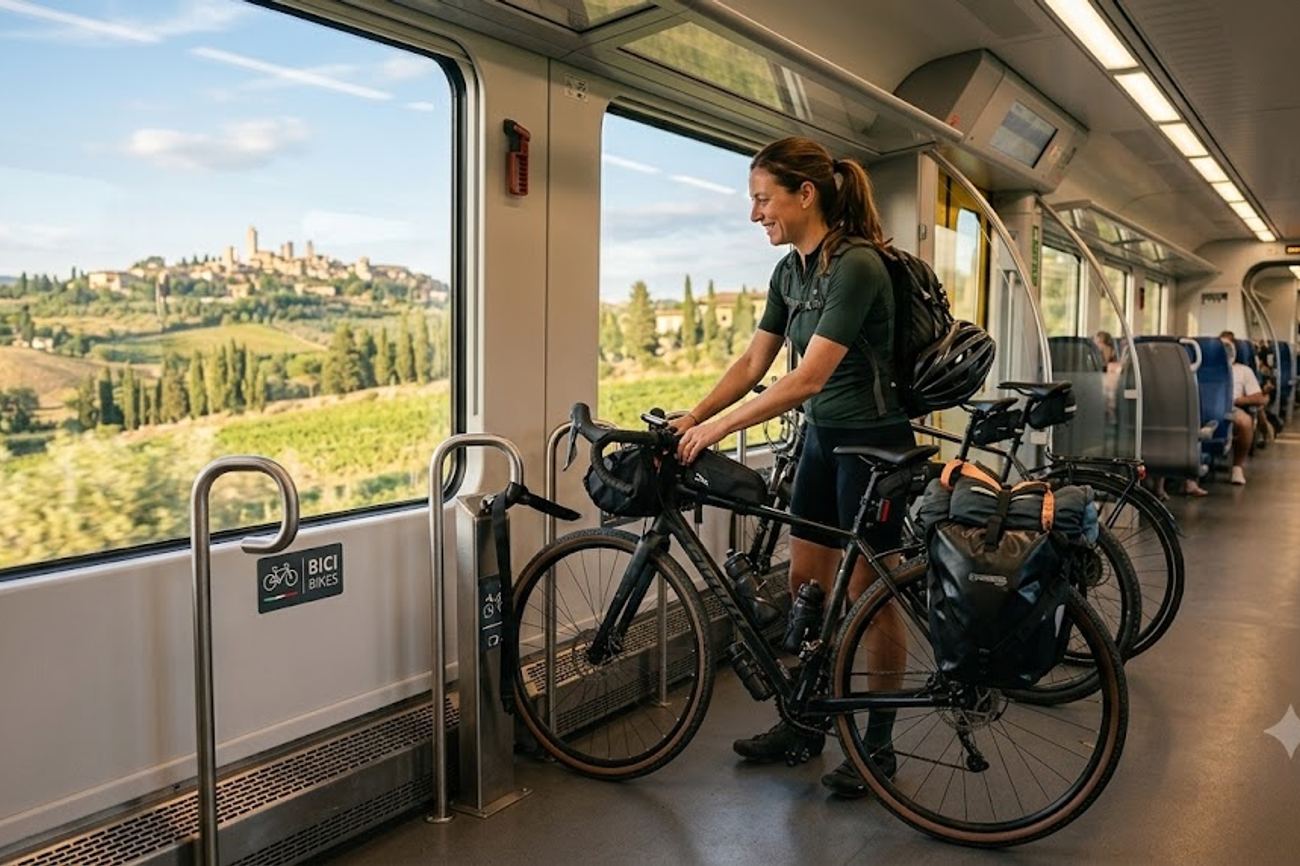
Image generated by AI
[Rome, October 2024] — Italy is integrating its national rail network with bicycle tourism to allow international travelers to combine cycling excursions with train transport across the peninsula. The initiative enables visitors to navigate between major urban centers, rural vineyards, and mountain trails via rail, offering a sustainable alternative to traditional car rentals for exploring the country's interior.
The program focuses on expanding access to "slow tourism," permitting cyclists to utilize specific train services to reach remote regions before embarking on two-wheeled journeys. By leveraging the existing infrastructure of Trenitalia, the Italian government aims to divert tourist traffic away from congested city centers and toward lesser-known coastal and countryside destinations.
The Integration of Rail and Cycle Infrastructure
The push for bike-and-rail connectivity is driven by a strategic shift toward sustainable tourism. By allowing bicycles on selected trains, Italy is removing the primary logistical barrier for active travelers: the difficulty of returning to a starting point or moving between distant regions without a support vehicle.
This system allows for "point-to-point" itinerary planning. A traveler can, for example, take a train to a northern vineyard region, cycle through the countryside for several days, and then board another train from a different town to return to a major hub. This eliminates the need for expensive private transfers or the logistical burden of transporting a bicycle via a rental car.
Affected Travelers, Airlines and Logistics
The impact of these regulations and services varies depending on the type of rail service and the equipment being transported. The following breakdown outlines the current accessibility:
| Train Type | Bicycle Accessibility | Key Requirements |
|---|---|---|
| Regional Trains | High | Dedicated bike areas; specific bike tickets required. |
| High-Speed/Intercity | Restricted | Often limited to foldable bikes stored as luggage. |
| Foldable Bikes | Universal | Generally permitted if stored within luggage dimensions. |
| Standard Bikes | Conditional | Subject to availability of designated storage zones. |
Practical Traveler Advisory and Strategic Insights
For the average tourist, this shift transforms how Italy is navigated. Rather than being tethered to a hotel base or a rental car, travelers can now treat the rail network as a mobile basecamp.
Passenger Impact Assessment:
- Cost Reduction: Travelers avoid the high daily rates of car rentals and the associated costs of fuel, tolls, and parking in ZTL (Limited Traffic Zones) in Italian cities.
- Increased Flexibility: It is now possible to spontaneously change routes based on weather or preference, provided the local regional train supports bicycle transport.
- Logistical Hurdles: This is not a "walk-on" system. Passengers cannot simply bring a bike onto any train; they must identify "bicycle-friendly" services. Failure to purchase a specific bicycle supplement ticket can result in fines or being denied boarding.
- Equipment Considerations: Those traveling with high-end or heavy e-bikes must verify the specific storage capacity of the regional trains they intend to use, as space is finite and first-come, first-served.
Navigating the Regulatory Framework
To utilize this system without disruption, travelers must adhere to a specific set of operational rules. The Italian rail system does not have a uniform policy across all operators and routes; instead, it operates on a service-by-service basis.
Ticketing and Costs Passengers are required to hold a standard passenger ticket plus a supplementary bicycle ticket. The price of this supplement varies by route and service type. These tickets are designed to be more affordable than vehicle transport, making multi-city cycling tours financially viable for budget-conscious nomads.
Boarding Protocols Because bicycle spaces on regional trains are limited, the Ministero del Turismo and rail operators recommend arriving at stations well in advance. Once the designated bicycle area reaches capacity, staff may refuse further bikes regardless of ticket status.
Folding Bike Advantage There is a significant operational difference between standard and folding bicycles. Folding bikes, when collapsed, are typically treated as standard luggage. This grants the user access to a wider array of trains, including faster intercity lines that strictly prohibit full-sized bicycles.
Italy's national railway company, Trenitalia, has introduced a new bike-friendly policy, allowing cyclists to easily transport their bikes on national train routes, making it simpler for tourists to explore the country's scenic landscapes. For more information on bike transportation policies and to plan your trip, visit the Trenitalia official website for the latest updates and schedules. This initiative is expected to boost cycling tourism in Italy, attracting more visitors to explore the country's picturesque countryside and historic cities.
The Push for Sustainable Exploration
This initiative is a core component of Italy's broader environmental strategy. By reducing the reliance on private combustion-engine vehicles, the country is attempting to lower the carbon footprint of its tourism sector.
The strategy also aims to redistribute wealth. By making it easier to reach "hidden" destinations—such as small mountain villages or coastal hamlets—the government is encouraging tourists to spend money at local guesthouses and family-run restaurants that are typically bypassed by tour buses. This "slow tourism" model prioritizes depth of experience over the number of monuments visited.
FAQ: Italy Bike-and-Rail 2024
Do I need a separate ticket for my bicycle? Yes. On most regional services, you must purchase a specific bicycle supplement ticket in addition to your passenger fare. Folding bikes stored as luggage generally do not require this.
Can I take my bike on high-speed trains? Generally, no. Full-sized bicycles are typically restricted to regional trains with dedicated storage. Only foldable bikes, when collapsed, are usually permitted on high-speed lines.
How do I know if a train allows bicycles? You must check the specific service details on the official rail operator's website or app. Look for the bicycle icon or "bike-friendly" designation during the booking process.
Is there a limit to how many bikes can be on one train? Yes. Bicycle areas have a fixed capacity. Space is allocated on a first-come, first-served basis, meaning you should arrive at the platform early.
Italy is trading the rental car for the rail pass, turning the entire peninsula into one giant, interconnected cycling trail.
Tags: Trenitalia, Italian Regional Rail, Italy Sustainable Tourism, Bike-and-Rail 2024, Italy Cycling Routes, Ministry of Tourism Italy
Related Travel Guides
This article is for informational purposes. Flight routes, passenger regulations, visa rules, and transit advisories are subject to change by airlines and aviation authorities. Readers are advised to verify schedules and travel documentation with relevant carriers and border agencies before departure.
Related Stories

SITA Leads New Aviation Era as Smart AI, Biometrics, and Data Exchange Remove Barriers Across Global Air Travel
JFK, LAX and SFO Reveal America’s Airport Access Costs as Rail, Rideshare and Parking Bills Diverge