
Iran Showcases Remarkable Tourism Transformation as Climate-Resilient Villages Set New Global Standards
Iran Showcases Remarkable Tourism Transformation as Climate-Resilient Villages Set New Global Standards

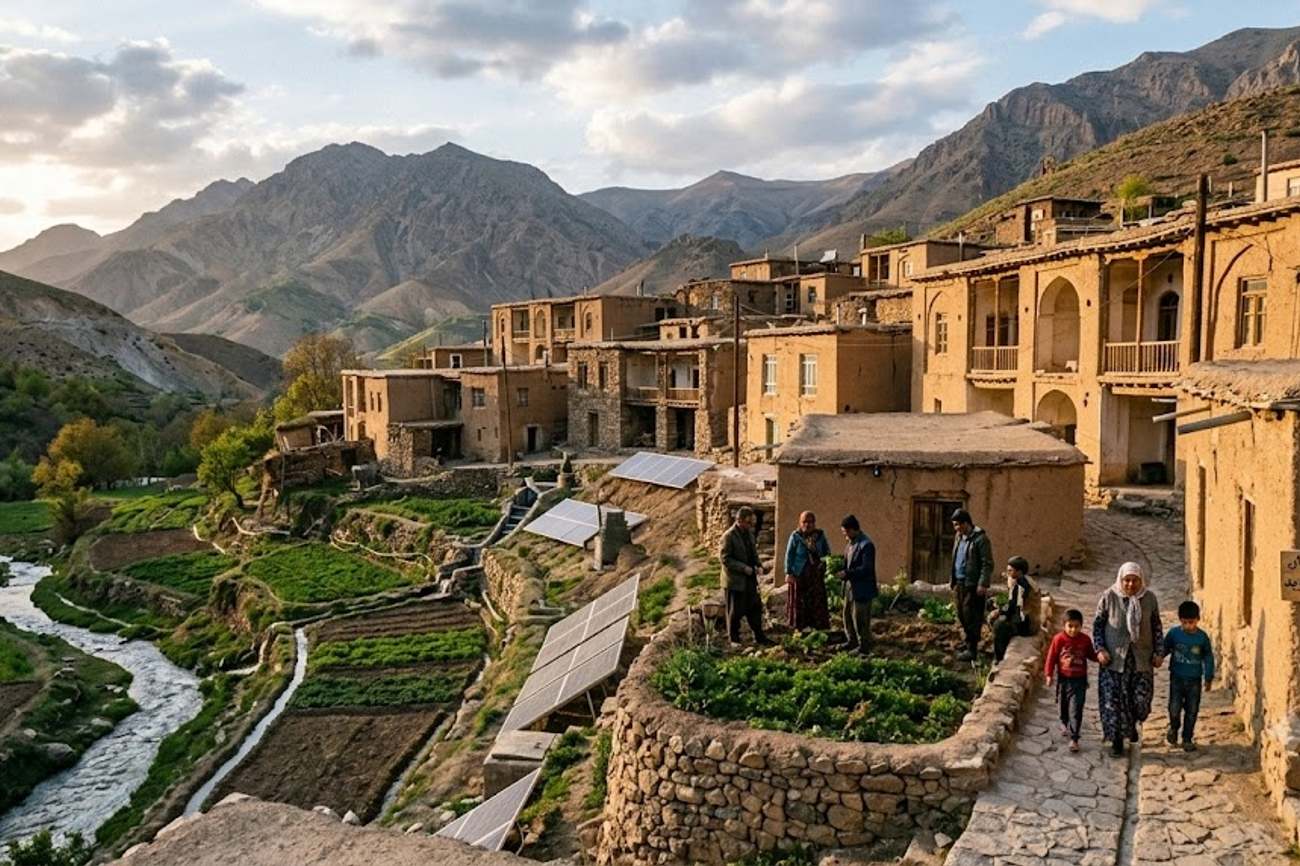
Image generated by AI
Imagine arriving in the remote reaches of Qeshm Island or the arid plains of Kerman, only to find that the very landscapes you traveled to see are under siege from rising temperatures and drought. For the modern traveler, the shift toward "climate-resilient tourism" is no longer a theoretical policy—it is the difference between a destination thriving or disappearing.
The Shift Toward Climate-Resilient Tourism in Iran
The global tourism industry is currently grappling with an era of environmental instability. Rising temperatures, prolonged droughts, and shifting seasonal patterns are forcing destinations to abandon traditional growth models in favor of sustainability. During the 27th Meeting of the COMCEC Tourism Working Group held in Ankara, Iran presented two specific case studies—Soheili village on Qeshm Island and Shafiabad village in Kerman—to demonstrate how community-led initiatives can mitigate the effects of climate change.
These initiatives were not merely presented as local successes but were recognized on the UN Tourism Best Tourism Villages list for 2025. The core of the strategy involves "climate-smart" development, where tourism revenue is directly reinvested into the ecosystem. This approach addresses the precarious nature of coastal and desert environments, ensuring that the influx of visitors does not accelerate the degradation of the land. For passengers and travelers planning trips to these regions, this means a transition toward eco-lodges, low-impact transport, and community-managed experiences.
Affected Regions and Sustainable Models
The focus of these resilience efforts is concentrated in two distinct ecological zones, each facing different climate threats:
- Qeshm Island (Soheili Village): A coastal ecosystem focused on the protection of mangrove forests. The strategy here involves the annual planting of 200,000 mangrove seedlings to combat coastal erosion and loss of biodiversity.
- Kerman Province (Shafiabad Village): A desert environment bordering the Lut Desert. The focus here is on water security and the restoration of qanats (ancient underground water channels) using funds generated from tourism and handicrafts.
Your Rights as a Passenger and Traveler
When traveling to emerging sustainable destinations or remote regions, passengers often face higher risks of disruption due to environmental factors or limited infrastructure. Depending on your point of origin and the airline you use to reach these destinations, your legal protections vary significantly.
For those flying from the EU or UK: If your flight to a hub serving these regions is cancelled or delayed by more than three hours, you are protected under EU261/2004 or the UK CAA guidelines. For flights exceeding 3,500 km, you may be entitled to up to €600 (£520) in compensation, provided the disruption was not caused by "extraordinary circumstances." While extreme weather is often cited as an extraordinary circumstance, the airline must prove that the specific disruption was unavoidable. You can verify your rights through the UK Civil Aviation Authority.
For those flying from the United States: The US Department of Transportation (DOT) does not mandate fixed compensation for delays, but recent rules strengthen your right to a full refund if a flight is cancelled or significantly changed, regardless of the reason. If your travel plans to these eco-destinations are disrupted, you can file a complaint via the US DOT Air Consumer Protection portal.
For those flying within or into India (DGCA): Passengers are entitled to "amenities" (meals, refreshments, and hotel accommodation) during significant delays. If a flight is cancelled, the airline must offer an alternative flight or a full refund.
Rebooking Strategy and Alternatives
Traveling to remote, climate-sensitive areas like Qeshm or Kerman requires a flexible itinerary. Because these regions rely on smaller airports and seasonal transport, a single disruption can derail a trip.
- Diversify Your Transit Hubs: If you are heading to Kerman or Qeshm, avoid tight connections in primary hubs. Use tools like FlightRadar24 to monitor the reliability of your incoming aircraft in real-time.
- Refund vs. Rebooking: In the event of a cancellation, airlines will often offer a travel voucher. However, if the disruption is significant, demand a cash refund. This allows you to book a competitor airline that may have better availability to regional airports.
- Alternative Routing: If flights to regional airports are grounded due to weather, look for the nearest major city and utilize domestic rail or certified eco-transport. In Iran, this may mean shifting from a direct flight to a combined bus-and-flight route to ensure arrival.
- Eco-Accommodation Flexibility: Since Soheili village utilizes over 40 eco-lodges, ensure your bookings are flexible. Community-based tourism often lacks the rigid cancellation policies of global hotel chains, but they are more susceptible to local environmental closures.
FAQ: Sustainable Tourism Iran 2025
Am I entitled to compensation if my flight to a sustainable destination is cancelled due to weather? Generally, no. Under EU261 and UK CAA rules, "extraordinary circumstances" like severe weather exempt airlines from paying cash compensation, though they must still provide a refund or rebooking and basic care (meals/hotels).
Can I get a full refund for my eco-lodge booking if the region is closed for conservation? This depends on the lodge's specific policy. However, since these are community-based initiatives, it is highly recommended to use a travel insurance policy that covers "trip interruption" for environmental or political reasons.
What are the best alternatives if flights to Qeshm Island are disrupted? Check for alternative flights into Bandar Abbas and arrange for a ferry to the island. Always monitor real-time status via FlightAware to catch cancellations before arriving at the airport.
How does the "Best Tourism Villages" status affect my travel experience? It indicates that the destination follows UN-backed sustainability standards. Expect more regulated visitor numbers, a focus on local guides, and a requirement to follow strict environmental protocols, such as using low-noise boats in mangrove areas.
Travel is no longer just about the destination; it is about ensuring the destination still exists for the next generation.
Related Travel Guides
- Greece Aligns With Spain as Rising Costs Reshape European Tourism Revenue Growth and Visitor Spending Trends
- Korean Air Maps a 92-Destination Global Network Through Seoul, Linking Asia, Europe and the Americas
- China Tightens Beijing Airspace With Massive 280000 Sq Km Restricted Zone Covering Dozens of Airfields
Disclaimer
This article is for informational and educational purposes only. It does not constitute legal, financial, or professional advice. While we strive to provide accurate and up-to-date information, travel policies, regulations, and conditions change rapidly. Always verify information with official sources before making travel decisions. Nomad Lawyer makes no representations about the accuracy, reliability, completeness, or suitability of the information provided. Readers should consult qualified professionals for advice specific to their circumstances. The views expressed in this article are those of the author and do not necessarily reflect the views of Nomad Lawyer.
Preeti Gunjan
Contributor & Community Manager
A passionate traveller and community builder. Preeti helps grow the Nomad Lawyer community, fostering engagement and bringing the reader experience to life.
Learn more about our team →