
United Airlines Expands Denver Flight Training Hub with $145 Million Investment in 2026
United Airlines is scaling its Denver Flight Training Center, adding advanced simulators and 155,700 square feet of space to meet surging pilot demand.

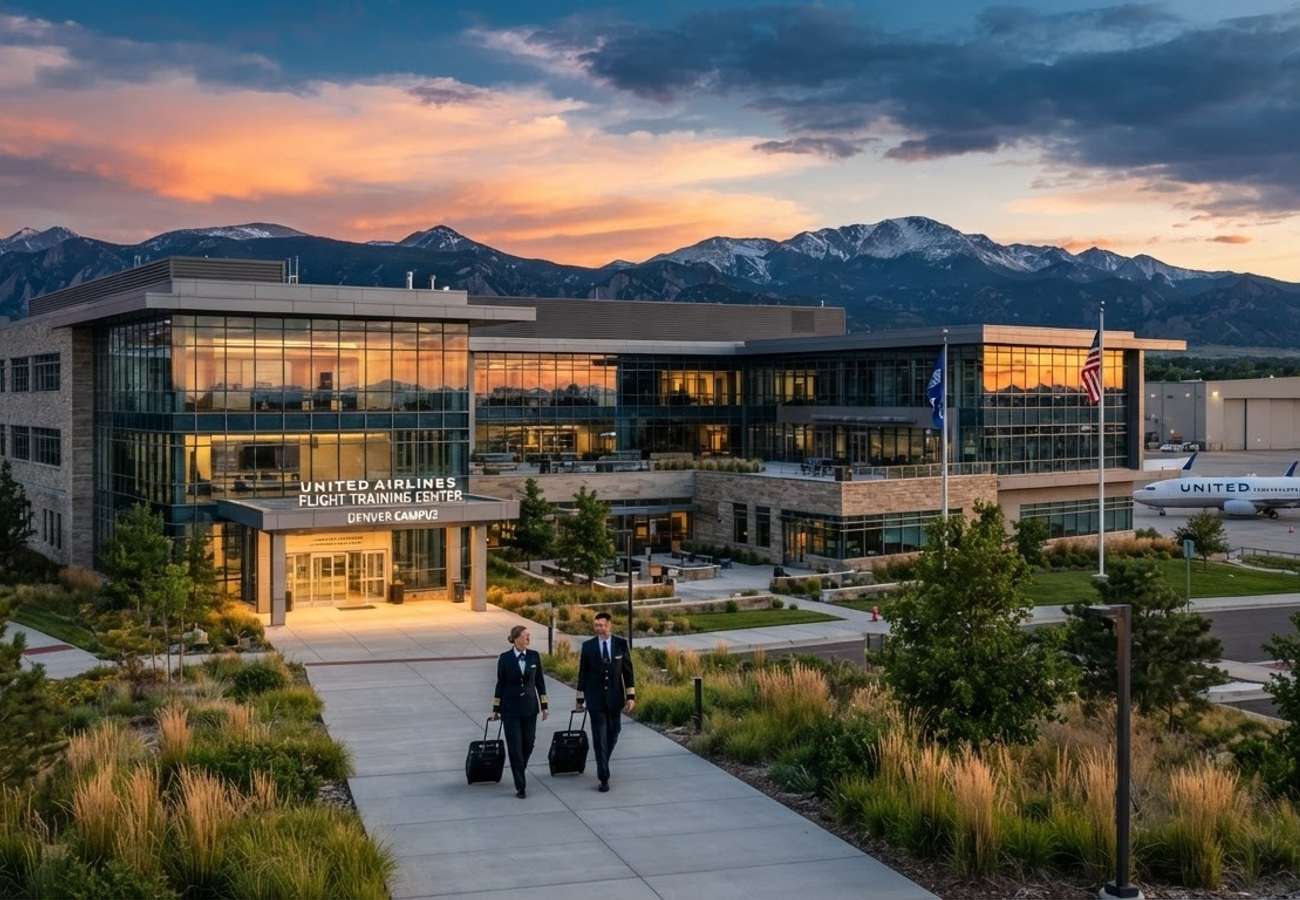
Image generated by AI
United Airlines is aggressively scaling its Denver Flight Training Center, integrating high-fidelity simulators and expanded classroom capacity to support a massive surge in pilot recruitment and fleet growth.
The airline is transforming its Denver-based instruction facility into a premier global aviation hub. By adding new simulator bays and increasing long-term capacity, the carrier is preparing for a sustained period of aircraft deliveries and crew expansion. This strategic move ensures that the airline can maintain safety standards and operational reliability as it grows its network from one of its most critical U.S. hubs.
Scaling the World's Largest Pilot Training Campus in Denver
The Flight Training Center in Denver, already recognized as the largest facility of its kind globally, continues to expand its physical footprint. In February 2024, the airline inaugurated a new facility on its 23-acre campus located in the Central Park neighborhood of Denver. This complex serves as the mandatory recurrent training site for every active pilot employed by the airline.
The newest addition, identified in industry reports as Building H, provides between 150,000 and 155,700 square feet of additional space. This expansion includes new training bays, dedicated office zones, and comprehensive support facilities. Industry data indicates that this project involved an investment of approximately 145 million dollars, specifically designed to align with the carrier's long-term route and fleet growth anchored at Denver International Airport.
From an economic standpoint, the center is a major regional employer. Nearly 1,500 staff members are permanently based at the site, while more than 18,000 pilots rotate through the campus every nine months for essential certification and training. As Denver has evolved into one of the carrier's most active hubs, the training complex has become a cornerstone of both the airline's operational stability and the city's aviation ecosystem.
Integration of High-Tech Simulators and Increased Throughput
The expansion focuses heavily on the deployment of next-generation, full-motion flight simulators. Regional business reports confirm that the new facility is designed to accommodate up to 12 full-flight simulator bays. Additionally, it houses 12 fixed training devices that replicate cockpit environments and aircraft systems, allowing pilots to practice specific procedures and systems management.
To date, at least six state-of-the-art simulators have been installed in the new building, with configurations for the Boeing 737 family and other primary fleet types. These high-fidelity devices allow flight crews to simulate normal operations, complex approach patterns, severe weather conditions, and rare emergency scenarios within a controlled environment that mirrors actual flight conditions.
This increase in hardware directly impacts the facility's throughput. Reports suggest that the new building alone can support an additional 240 pilots per day when operating at full utilization. This is in addition to the thousands of pilots already utilizing the campus for initial and recurrent training. The architectural design allows for the future integration of more simulators as the airline takes delivery of new aircraft models.
Technical case studies highlight the sophisticated engineering of the site, including:
- Vibration Isolation: Ensuring simulator precision.
- Climate Control: Maintaining hardware stability and crew comfort.
- Digital Integration: Connecting simulator bays with briefing and debriefing classrooms to minimize downtime.
Strategic Pilot Recruitment and Denver Hub Synergy
The growth of the training center is a direct response to the airline's aggressive hiring strategy. Public filings reveal that the carrier recruited more than 2,300 pilots in 2023 and added hundreds more by early 2024. This recruitment drive is essential for staffing the large orders of new-generation narrowbody and widebody aircraft currently entering the fleet.
Denver International Airport has become a primary node in this strategy. Aviation data shows the airport is now one of the airline's largest hubs by both seat capacity and departures. The central U.S. location provides an ideal bridge between domestic and international markets. Having the Flight Training Center in close proximity to the hub simplifies the logistics for crews who must cycle through several days of simulator and classroom instruction.
Further indicating long-term commitment to the region, reports show the airline purchased over 100 acres of land near Denver International Airport in 2023. A portion of this land is designated for future training or support facilities expected to launch later this decade. Planning documents suggest that pilot hiring will remain a priority through at least the mid-2020s.
A Multi-Tiered National Training Ecosystem
While Denver serves as the primary hub for mainline pilot instruction, it is part of a broader, distributed training network. This ecosystem includes the United Aviate program, which creates a streamlined pipeline for aspiring pilots to enter the flight deck.
A critical element of this pipeline is the United Aviate Academy, located at Phoenix Goodyear Airport in Arizona. This 340,000-square-foot campus focuses on ab initio training, guiding students from zero flight time through the ratings required for general aviation and regional operations. Successful graduates then move through the Aviate network before reaching the final stage of mainline training in Denver.
The airline has also diversified its training infrastructure for other crew members:
- Houston: A renovated global inflight training center for cabin crew.
- Washington Dulles: Additional safety and service training investments.
This distributed model allows the carrier to specialize its facilities—using Arizona for foundational flight skills and Denver for high-end simulator and recurrent training—thereby streamlining the transition from regional flying to mainline operations.
Operational Impact on Travelers and the Regional Economy
For the traveling public, these investments translate to increased operational reliability. By expanding simulator capacity, the airline can qualify more pilots on new aircraft types more quickly and ensure that recurrent training is completed without scheduling bottlenecks. This reduces the likelihood of flight cancellations and delays caused by crew availability issues.
Within the Denver region, the expansion mirrors the long-term infrastructure goals of Denver International Airport, including the addition of new gates and concourses. The ability to base more crews in the region allows the airline to operate more complex and frequent schedules across North America.
Economically, the facility supports a wide range of high-skill roles, from simulator technicians and curriculum developers to administrative staff. Furthermore, the constant influx of visiting pilots provides a steady boost to local hospitality, dining, and transportation services.
The expansion of the Denver hub signals a permanent shift toward centralized, high-tech pilot certification to sustain global growth.
Related Travel Guides
Disclaimer
This article is for informational and educational purposes only. It does not constitute legal, financial, or professional advice. While we strive to provide accurate and up-to-date information, travel policies, regulations, and conditions change rapidly. Always verify information with official sources before making travel decisions. Nomad Lawyer makes no representations about the accuracy, reliability, completeness, or suitability of the information provided. Readers should consult qualified professionals for advice specific to their circumstances. The views expressed in this article are those of the author and do not necessarily reflect the views of Nomad Lawyer.
Raushan Kumar
Founder & Lead Developer
Full-stack developer with 11+ years of experience and a passionate traveller. Raushan built Nomad Lawyer from the ground up with a vision to create the best travel and law experience on the web.
Learn more about our team →