
Singapore's Changi Airport Revolutionizes Luxury Travel with Retailtainment Strategy, Setting New Global Airport Standards
Changi Airport transforms terminal experience through retailtainment, blending high-end shopping with entertainment to redefine luxury travel hubs globally.

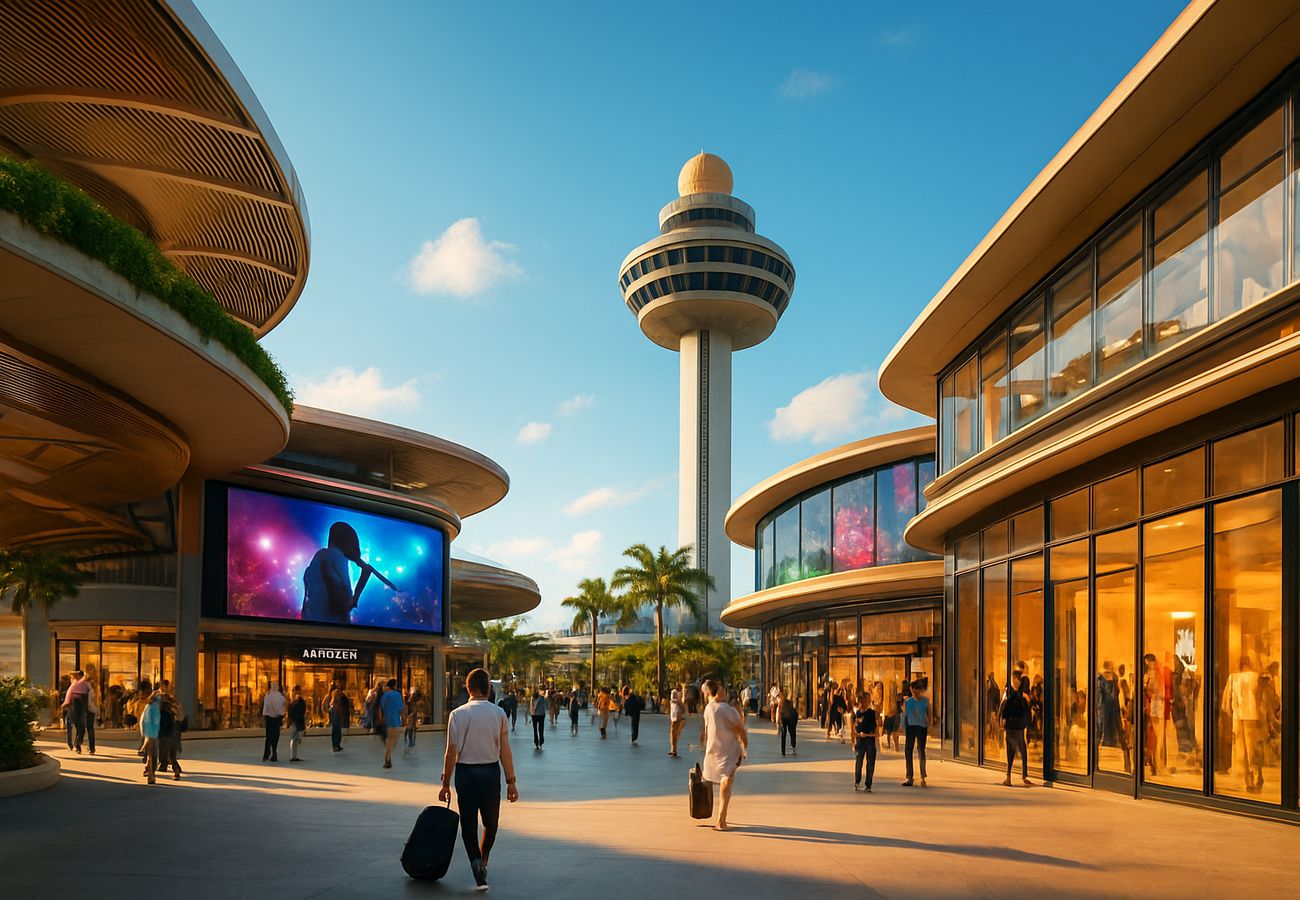
Image generated by AI
Singapore's Changi Airport is fundamentally reshaping how the world's most discerning travelers experience airport terminals, moving far beyond conventional duty-free shopping to create immersive, entertainment-driven retail environments that blur the line between commerce and leisure. The airport's bold "retailtainment" strategy positions Changi as a destination unto itself—transforming layovers and pre-flight hours into curated luxury experiences that rival five-star hotel amenities.
The concept represents a seismic shift in global airport strategy. Rather than treating retail as a secondary revenue stream, Changi Airport has engineered a holistic ecosystem where high-end shopping, fine dining, wellness facilities, and interactive entertainment converge seamlessly. Premium travelers now encounter curated brand experiences, exclusive product launches, and immersive installations designed to engage passengers emotionally—not merely transactionally. This approach directly addresses evolving passenger expectations, particularly among affluent international travelers who increasingly view airport time as an extension of their luxury journey rather than a necessary inconvenience.
The retailtainment model capitalizes on several converging trends in global aviation. Rising air travel costs and extended layovers—driven by fuel prices impacting airlines' scheduling efficiency—have created extended dwell times that airports can monetize strategically. According to industry data from the International Air Transport Association (IATA), premium cabin passengers now spend significantly more time in terminals, creating unprecedented opportunities for high-margin retail and experiential offerings. Changi's investment in this space reflects broader recognition that airport retail revenue increasingly rivals aeronautical income for major hubs.
Luxury brands have responded enthusiastically to Changi's vision. The terminal now hosts exclusive flagship experiences from global fashion houses, jewelry designers, and lifestyle brands—many offering products and services unavailable elsewhere in Southeast Asia. Interactive installations, virtual reality experiences, and live entertainment programming transform traditional shopping corridors into social destinations where travelers actively choose to spend time and capital. This experiential retail approach generates substantially higher per-passenger spending than conventional duty-free models, directly benefiting both the airport operator and premium carriers like Singapore Airlines whose passengers represent core demographics.
The competitive implications ripple across global aviation. Major airport operators worldwide—from Dubai International to London Heathrow to Tokyo Haneda—are now reassessing their retail and entertainment strategies in response to Changi's success. The shift signals that airports increasingly function as lifestyle destinations competing for passenger loyalty and discretionary spending. For airlines managing air travel costs amid volatile fuel prices, airport partnerships offering premium passenger experiences create differentiation opportunities that justify premium ticket pricing and enhance overall journey value perception.
What This Means for Travelers
Luxury and business-class passengers will encounter increasingly sophisticated airport experiences designed to justify premium fares through comprehensive journey enhancement. Expect expanded wellness facilities, exclusive dining venues, and curated retail environments at major international hubs. However, budget-conscious travelers should anticipate that premium passenger amenities will continue driving airport revenue models, potentially affecting duty-free pricing and basic facility access for economy passengers. The retailtainment trend also means longer airport visits become more appealing—and more expensive—for those tempted by exclusive offerings.
Expert Insight: Airport retail transformation from transactional necessity to experiential destination represents the most significant shift in terminal design philosophy since the rise of modern hub-and-spoke aviation.
Changi Airport's retailtainment revolution signals a fundamental reimagining of airport economics and passenger experience. As global aviation navigates persistent fuel price volatility and competitive capacity pressures, airports increasingly function as premium lifestyle destinations rather than mere transportation nodes. The success of Singapore's model will likely accelerate similar transformations at competing international hubs, reshaping how travelers perceive and value their airport experiences. For the aviation industry, this evolution offers crucial revenue diversification as traditional aeronautical income faces structural pressures—transforming terminals into profit centers that enhance overall travel ecosystem sustainability.
Related Travel Guides
Disclaimer
This article is for informational and educational purposes only. It does not constitute legal, financial, or professional advice. While we strive to provide accurate and up-to-date information, travel policies, regulations, and conditions change rapidly. Always verify information with official sources before making travel decisions. Nomad Lawyer makes no representations about the accuracy, reliability, completeness, or suitability of the information provided. Readers should consult qualified professionals for advice specific to their circumstances. The views expressed in this article are those of the author and do not necessarily reflect the views of Nomad Lawyer.
Kunal K Choudhary
Co-Founder & Contributor
A passionate traveller and tech enthusiast. Kunal contributes to the vision and growth of Nomad Lawyer, bringing fresh perspectives and driving the community forward.
Learn more about our team →