
How is South Korea Using K-Culture to Revitalize Tourism Beyond Seoul
How is South Korea Using K-Culture to Revitalize Tourism Beyond Seoul

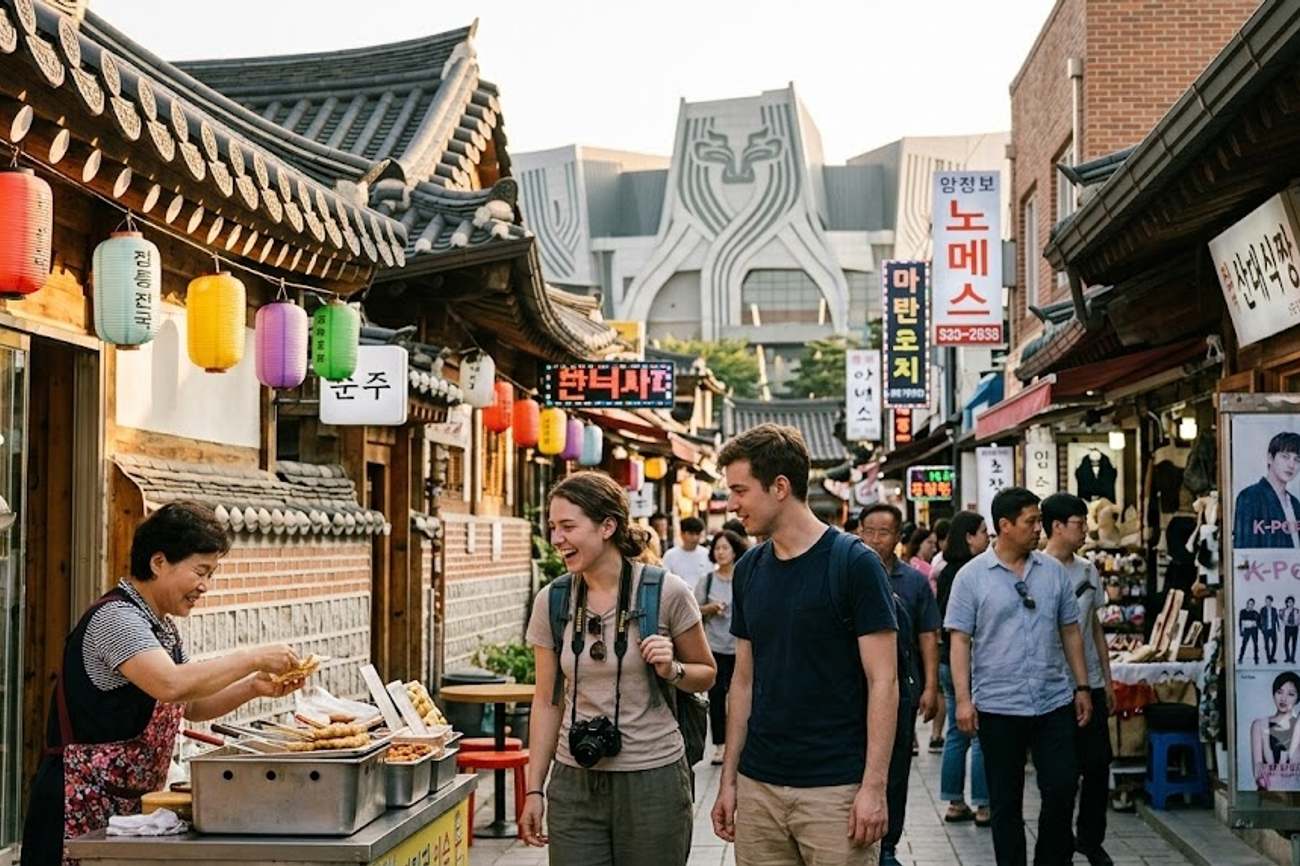
Image generated by AI
[Seoul, October 2023] — South Korea is executing a sweeping strategic pivot to decentralize its tourism industry, aggressively transforming regional commercial districts into immersive K-culture hubs to divert international traffic away from the capital.
The initiative, spearheaded by the Ministry of Culture, Sports and Tourism, aims to dismantle the long-standing reliance on Seoul as the sole destination for Hallyu-inspired travel. By integrating contemporary pop culture with regional heritage, the government is redesigning local marketplaces and industrial zones into high-traffic tourism centers to stimulate economic growth across secondary and tertiary provinces.
The Drive for Regional Decentralization
The immediate trigger for this shift is a dual-pronged crisis of overtourism in Seoul and economic stagnation in the provinces. For decades, the capital has absorbed the vast majority of international visitors, creating unsustainable pressure on metropolitan infrastructure while leaving rural and regional economies underfunded.
To counter this, the South Korean government is funding a nationwide overhaul of commercial districts. This is not merely a marketing campaign but a structural urban planning effort. Municipalities are currently retrofitting abandoned industrial warehouses, historic manufacturing zones, and dormant traditional markets into "creative clusters." These spaces now house digital media centers, artisan workshops, and modern cafes designed to attract a younger, globally-connected demographic.
The Korea Tourism Organization is supporting these efforts by upgrading local hospitality standards and installing multilingual digital signage to remove friction for non-Korean speakers. The goal is to create a seamless experience that rivals the convenience of Seoul while offering a more authentic, less congested environment.
Markets and Districts Under Transformation
The revitalization effort targets a wide array of regional identities, ensuring that the "K-culture" label is not a monolith but a reflection of local diversity. The following areas are seeing the most significant investment:
- Industrial Zones: Former warehouses are being converted into digital art galleries and K-pop sensory spaces.
- Traditional Markets: Sleepy local commerce hubs are integrating Hallyu-themed workshops and modern culinary twists on regional delicacies.
- Heritage Villages: Centuries-old pottery villages and agricultural towns are implementing digital storytelling trails and cinematic filming location tours.
- Coastal Ports: Fishing villages are being rebranded as lifestyle destinations combining maritime heritage with contemporary creative agencies.
These districts are no longer relying solely on historical landmarks. Instead, they are blending ancient folklore with modern cinematic achievements, allowing travelers to engage with the nation's history through the lens of current global trends.
What This Means for Travelers
For the international traveler, this shift fundamentally changes the itinerary of a South Korean visit. The "Seoul-only" trip is becoming obsolete as the infrastructure for regional exploration matures.
Simplified Transit Navigating the provinces is now significantly easier due to expanded multi-modal networks. The Korea Railroad Corporation (KORAIL) has streamlined high-speed KTX connections, and integrated digital travel passes now allow visitors to move between the capital and remote provinces with minimal administrative friction.
Authentic Engagement Travelers can now access "deep-dive" experiences that were previously unavailable. Rather than fighting crowds at a single filming location in Seoul, visitors can find interactive Hallyu workshops and open-air exhibitions in smaller towns. This allows for a more community-based exploration where tourists interact directly with local artisans and entrepreneurs.
Cost and Crowd Distribution As the government successfully pushes visitors toward regional hubs, travelers can expect lower congestion levels and a more diverse range of boutique guesthouse options outside the overpriced metropolitan centers.
Economic Ripple Effects and Future Scaling
The economic impact of this decentralization is already manifesting in regional revenue growth. Family-owned restaurants and boutique lodging providers in the provinces are reporting a surge in income directly tied to the increase in international foot traffic.
More significantly, this movement is addressing a demographic crisis. By creating viable, creative economies in the provinces, the government is incentivizing young entrepreneurs to return to their hometowns. This "brain gain" is fostering a sustainable tourism model driven by local innovation rather than corporate chains.
Looking forward, the South Korean government intends to scale these creative clusters further. The blueprint involves a continuous cycle of investment: upgrading infrastructure, curating cultural content, and then leveraging digital marketing to draw global attention. The long-term objective is to establish a network of world-class destinations that ensure the economic benefits of the Hallyu wave are distributed equitably across the entire peninsula.
FAQ: Regional South Korea Travel 2023
How do I get from Seoul to these regional districts? The most efficient method is via the KTX high-speed rail network. Additionally, streamlined regional shuttle buses and integrated digital travel passes are available to simplify navigation between the capital and secondary provinces.
Are these regional areas English-friendly? Yes. As part of the revitalization project, the government is installing extensive multilingual digital signage and upgrading hospitality standards in regional hubs to better accommodate international tourists.
What can I do in these districts besides sightseeing? Visitors can participate in hands-on crafting sessions in pottery villages, explore digital storytelling trails, and visit interactive K-pop sensory spaces integrated into local markets.
Is it cheaper to travel outside of Seoul? Generally, yes. Boutique guesthouses and local eateries in regional provinces often offer more competitive pricing than those in the high-demand districts of Seoul.
The era of the Seoul-centric itinerary is ending; the provinces are the new frontier of K-culture.
#SouthKoreaTourism2023 #KTXRail #HallyuRegionalism #VisitKorea #SeoulDecentralization #MCST
Related Travel Guides
- Minneapolis-Saint Paul Stands Alongside Detroit Metropolitan and Others as North America’s Top Airports Enter a New Era of Excellence
- How Are Smart International Travel Brands Completely Rethinking Their Growth Plans To Welcome Africa, All You Need To Know
- Sangster International Airport and Jamaica Gateways Expand Lounges and Terminal Facilities for Autumn Travel 2026
Disclaimer
This article is for informational and educational purposes only. It does not constitute legal, financial, or professional advice. While we strive to provide accurate and up-to-date information, travel policies, regulations, and conditions change rapidly. Always verify information with official sources before making travel decisions. Nomad Lawyer makes no representations about the accuracy, reliability, completeness, or suitability of the information provided. Readers should consult qualified professionals for advice specific to their circumstances. The views expressed in this article are those of the author and do not necessarily reflect the views of Nomad Lawyer.
Kunal K Choudhary
Co-Founder & Contributor
A passionate traveller and tech enthusiast. Kunal contributes to the vision and growth of Nomad Lawyer, bringing fresh perspectives and driving the community forward.
Learn more about our team →