
Hong Kong Mega Events Calendar Drives Record Tourism Economy in H2 2026
Hong Kong hosts over 100 mega events in H2 2026, projected to attract 1.85 million visitors and generate HK$5.9 billion in sales value in the region.
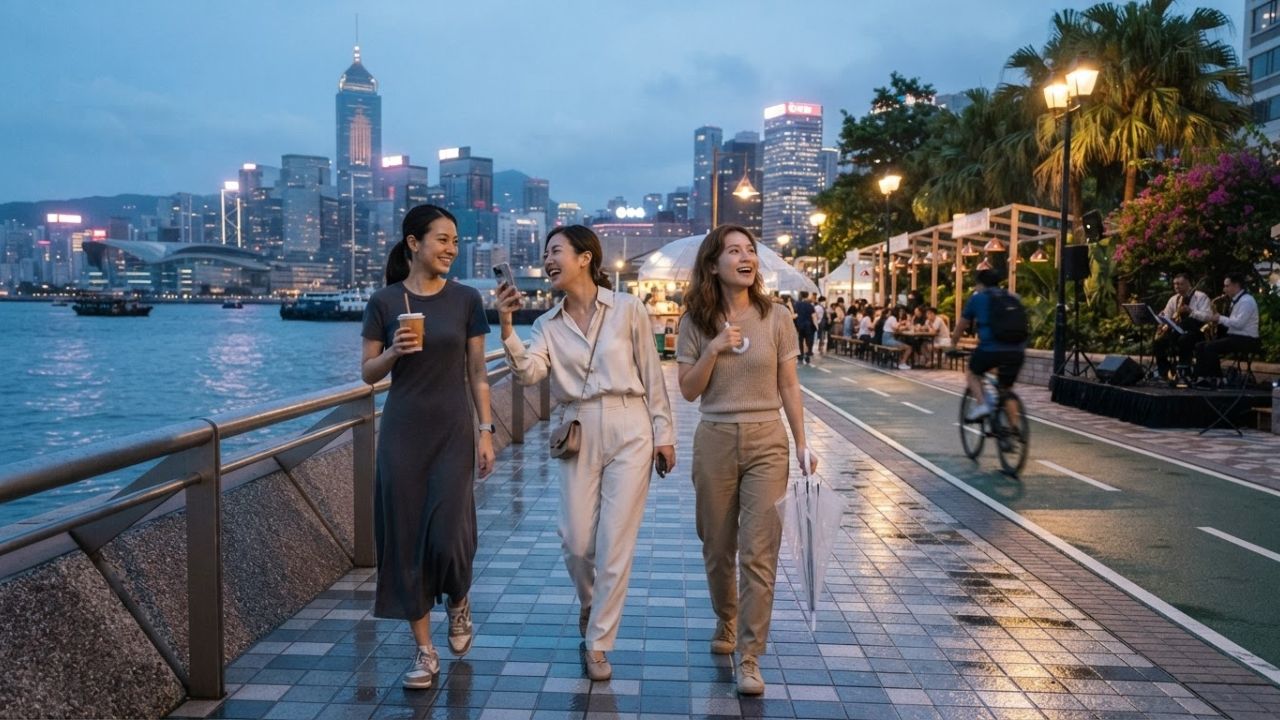
Image generated by AI
Hong Kong is preparing for a major tourism expansion in the second half of 2026, hosting more than 100 international events, festivals, and conferences projected to attract over 1.85 million visitors. The mega-event calendar, which includes the Hong Kong Cyclothon and the Hong Kong Wine & Dine Festival, is expected to generate HK$5.9 billion (approximately US$752 million) in total sales, boosting regional tourism and hospitality sectors.
The city tourism sector in East Asia is observing a significant realignment, with metropolitan managers deploying event-led tourism to drive economic growth and capture international passenger demand. Hong Kong is preparing to launch more than 100 large-scale events in the second half of 2026, projecting to attract over 1.85 million visitors and generate billions in local business transactions. This extensive calendar is projected to create around HK$5.9 billion (approximately US$752 million) in total sales value, supporting hotels, restaurants, retail shops, transport operators, and cultural attractions. The coordinated strategy highlights the city's transition toward utilizing international gatherings to increase arrivals, encourage longer visitor stays, and showcase regional lifestyle experiences.
For the traveler, the real impact of this mega-event program is the availability of a diverse, year-round activity schedule. By integrating high-profile business summits, sports tournaments, and food festivals, the city is making its urban and natural settings more engaging.
Event-Led Tourism and Major Highlights in H2 2026
The event calendar for the second half of the year includes popular regional festivals and international conferences:
- Lifestyle and Sports Attractions: The Hong Kong Cyclothon and the Hong Kong Wine & Dine Festival will serve as primary attractions, drawing visitors from regional and global markets.
- APEC Finance Ministers’ Meeting: Scheduled for October, this high-profile international gathering will focus global attention on the city, reinforcing its role as an international finance and business hub.
- Suburban and District Exploration: The event strategy encourages visitors to travel beyond traditional shopping districts, distributing economic activity into revitalized neighborhoods and creative communities.
- Business Tourism Support: International conferences and exhibitions create additional demand for accommodation, dining, and local services by attracting global delegates. To accommodate the influx of delegates for the APEC Finance Ministers' Meeting and visitors for the Wine & Dine Festival, Hong Kong's hospitality sector is introducing specialized packages and digital concierge services. Major convention venues like the Hong Kong Convention and Exhibition Centre (HKCEC) and AsiaWorld-Expo are upgrading their smart facilities to ensure seamless operations. Hotels along Victoria Harbour are reporting high occupancy projections, prompting operators to expand temporary staffing and local food supply lines to maintain service standards. This event-led demand is also driving business for local transport operators, including franchised buses, mini-buses, and taxi services, which will increase frequencies along major event transit routes.
By coordinating these mega-events, regional planners aim to build a resilient tourism engine that appeals to leisure visitors and corporate travelers alike.
Strong Performance in the First Half of 2026
The upcoming events calendar builds on a strong tourism performance recorded during the first half of the year:
- First-Half Milestones: Between January and June, more than 130 events attracted approximately 1.75 million visitors to the city.
- Economic Impact: First-half events generated around HK$5.8 billion in spending and contributed about HK$3.3 billion directly to the local economy.
- Year-Round Appeal: By combining cultural exhibitions, business summits, and sporting tournaments, the city is reducing its dependence on seasonal travel patterns.
- Visitor Dispersal: The diversified calendar encourages travelers to spend more time within the destination, exploring local neighborhoods and heritage sites.
This strong performance provides a solid foundation for the upcoming holiday season, demonstrating the economic impact of event-based tourism.
Record Visitor Arrivals Reflect Growing Travel Demand
The city's tourism sector enters the second half of 2026 with strong growth momentum:
- Seven-Month Arrivals: Hong Kong welcomed 31.22 million visitors during the first seven months of 2026, marking a 12 per cent increase compared with the same period in the previous year.
- International Confidence: The double-digit arrival growth reflects improving travel demand and growing confidence in the city as a leading Asian destination.
- Aviation Connectivity: As a global aviation hub, the city's modern airport and transport networks continue to support international arrivals by providing convenient connections.
- Neighborhood Revitalization: Revitalized waterfront areas, creative art districts, and local food tours are attracting travelers interested in urban exploration and cultural heritage.
These arrival statistics highlight the success of promotional campaigns and transit upgrades in rebuilding tourism momentum.
Ecotourism and Community Support in Hong Kong
Sustaining the development of the tourism economy requires travelers to adopt low-impact travel habits and support regional communities. For the traveler, the real impact of the mega-event program is the opportunity to use public transport. By taking the efficient MTR, double-decker buses, or the historic Star Ferry across Victoria Harbour instead of booking private transfers, visitors can reduce carbon emissions.
Travelers can support local economies by dining at family-run neighborhood cha chaan tengs (local diners) in Sham Shui Po or buying traditional tea and snacks directly from local street markets. Beyond using public transit, travelers are encouraged to explore Hong Kong's rural conservation areas, such as the Lai Chi Wo eco-village in the New Territories or the wetlands of Mai Po Nature Reserve. These sites offer guided tours managed by local villagers, showcasing sustainable farming, traditional Hakka culture, and wildlife conservation. Spending on eco-tours, buying organic village crops, and dining at local island seafood restaurants in Cheung Chau or Lamma Island directly funds conservation initiatives and supports traditional fishing communities. This sustainable approach helps protect Hong Kong's rich biodiversity, which includes green sea turtles, rare migratory birds, and native woodland species. This spending helps support local livelihood opportunities outside the main commercial districts. Furthermore, conserving water in hotels and avoiding single-use plastics helps protect local marine habitats and coastal environments.
Destination Specialist Local Insider Tips
To help you explore Hong Kong safely and comfortably, regional specialists suggest the following tips:
- Use the Octopus Card: Tap an Octopus card for seamless travel on the MTR, double-decker buses, trams, and ferries.
- Savor Dim Sum and Roast Goose: Experience local gastronomy. Order fresh Dim Sum (steamed dumplings) or authentic Roast Goose served with plum sauce at traditional diners.
- Observe Tea Pouring Etiquette: When someone pours tea for you, show appreciation by tapping two fingers of your right hand lightly on the table.
- Hike the Under-the-Radar Trails: Escape the urban density by walking the Dragon's Back trail in Shek O Country Park for coastal vistas.
- Plan Around the Dry Autumn Season: Book your trip for October to December when temperatures average 18°C to 24°C, which is ideal for outdoor events and festivals.
Long-Term Outlook for Sustainable Urban Tourism
The long-term outlook for Hong Kong's travel sector, mega-event tourism development, and regional economic revitalization remains highly positive, supported by the integration of modern transit infrastructure, regional funding programs, and digital travel solutions. By prioritizing quality of employment and community benefit over visitor volume, the city is establishing a sustainable framework for the future.
As global travel trends continue to prioritize wellness and outdoor activities, the collaboration between transport authorities, park rangers, and local community coordinators will remain essential. This balanced approach protects the regional environment, supports local businesses, and ensures that the coastal ridgelines and urban districts remain clean and accessible for future generations of global travelers.
Related Travel Guides
Disclaimer
This article is for informational and educational purposes only. It does not constitute legal, financial, or professional advice. While we strive to provide accurate and up-to-date information, travel policies, regulations, and conditions change rapidly. Always verify information with official sources before making travel decisions. Nomad Lawyer makes no representations about the accuracy, reliability, completeness, or suitability of the information provided. Readers should consult qualified professionals for advice specific to their circumstances. The views expressed in this article are those of the author and do not necessarily reflect the views of Nomad Lawyer.