
Spain Reforms Tourism Model to Drive Job Creation and Digital Innovation
Spain transforms its tourism economy by focusing on high-value travel, small business growth, regional development, and digital innovation in Europe in 2026.
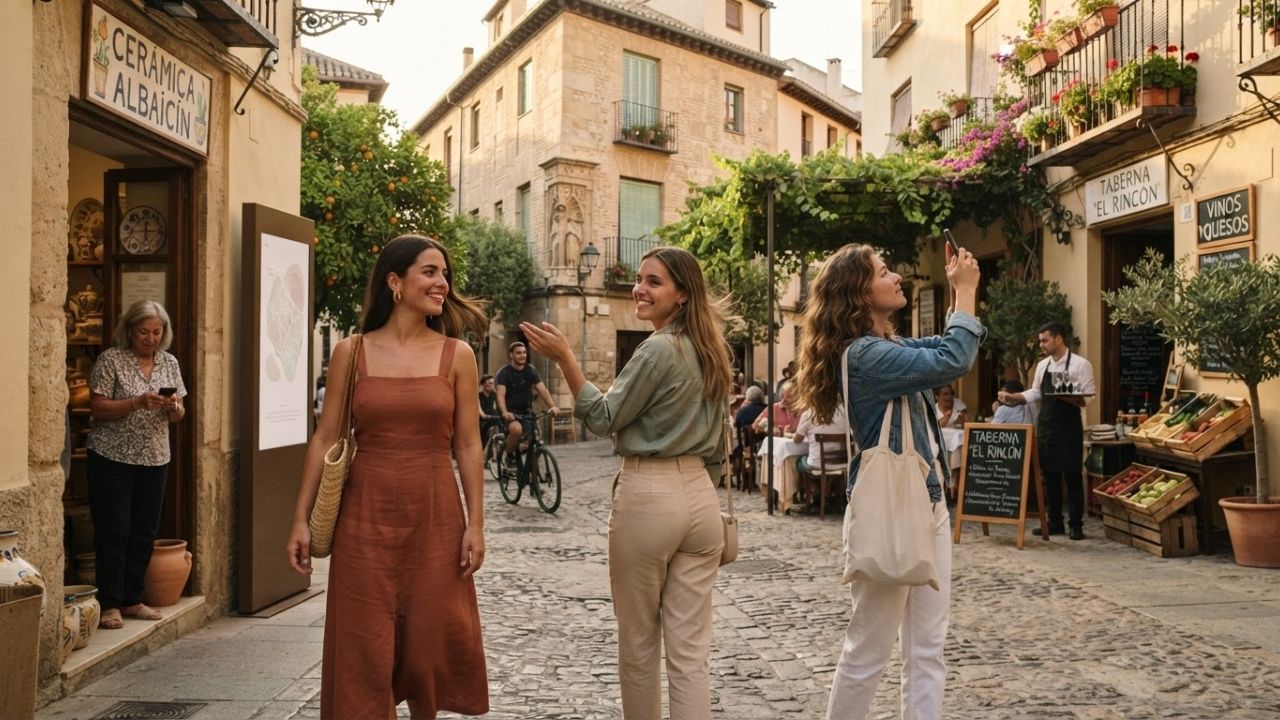
Image generated by AI
Spain has launched a comprehensive restructuring of its tourism model, transitioning from visitor-volume metrics to high-value economic growth, digital innovation, and regional development. The updated strategy focus aims to create higher-quality jobs, support small local businesses, and distribute economic benefits directly to rural and lesser-known communities.
The travel economy in southern Europe is observing a major transition, with authorities shifting focus from raw visitor numbers toward long-term economic resilience, job quality, and technological modernization. For decades, Spain has ranked as one of Europe's leading tourism destinations, attracting millions of travelers annually with its historic architecture, culinary traditions, and coastal settings. However, national tourism managers are now transforming the traditional travel model into a high-value economic program. The updated strategy focuses on improving workforce skills, supporting local small and medium enterprises, expanding digital tools, and distributing tourism spend to rural and inland regions, ensuring that local communities benefit directly from visitor activity.
For the traveler, the real impact of this policy shift is the development of a more diverse, accessible, and high-quality visitor experience. By investing in regional travel corridors and digital connectivity, Spain is making its lesser-known historic villages and natural environments easier to explore.
Context and Strategy Breakdown
The restructuring of Spain's tourism economy operates across multiple strategic pillars, prioritizing long-term development over seasonal passenger spikes. The country's vision is to establish a balanced relationship between economic growth, heritage protection, and local community well-being. By encouraging destination areas to improve their competitive advantages while preserving their cultural identities, the new model transforms tourism into a broad regional economic network.
Spain’s Tourism Growth Strategy At A Glance
| Key Area | Spain’s Approach |
|---|---|
| Local Businesses | Helping small and medium tourism companies grow |
| Regional Development | Expanding tourism opportunities beyond major cities |
| Employment | Creating skilled and higher-quality tourism jobs |
| Innovation | Using technology and digital solutions |
| Sustainability | Protecting natural and cultural resources |
| Visitor Experience | Developing unique and high-value travel experiences |
Supporting local, independent businesses is a central focus of this transition. Rather than allowing tourism revenues to be concentrated within a few large multinational travel agencies and resort corporations, Spain is creating systems that empower thousands of smaller, regional enterprises. Local family-run restaurants, rural guest houses, agricultural producers, traditional artisans, and cultural guides are integrated directly into the travel chain. When travelers visit smaller towns, their spending helps support municipal transit, local food growers, and family shops, creating a positive economic loop that keeps capital within the local community.
Regional Growth and Professional Employment Development
Expanding the geography of travel is key to mitigating visitor congestion in crowded coastal centers and major cities. Spain is actively promoting rural tourism, connecting international visitors with agricultural regions and inland towns:
- Rural Economic Regeneration: Developing nature-based tours, historic trail networks, and culinary heritage programs helps create new businesses in areas experiencing demographic decline. The economic revitalisation of rural Spain, often referred to locally as 'la España vaciada' (empty Spain), is supported by targeted national funding and tax incentives for tourism startups. By directing investment to provinces like Teruel, Soria, or Zamora, the government is establishing sustainable business ecosystems. This approach helps offset years of rural depopulation by showing that regional cultural heritage and natural landscapes can serve as primary sources of income. Local cooperative associations are playing a key role, helping families restore historical stone properties into guest accommodations.
- Youth Retention: Providing local business opportunities encourages younger generations to remain in their home provinces rather than migrating to major urban centers.
- Stable Careers: Spain is investing in professional training programs to transition the tourism workforce from temporary, seasonal jobs to stable, long-term career paths.
- Specialized Skill Development: Training initiatives focus on hospitality management, digital tourism operations, destination planning, and sustainable resource management.
By improving workforce qualifications, the travel sector aims to deliver superior service levels, which in turn strengthens Spain's international competitiveness.
Smart Destinations and Infrastructure Investment
Digital innovation is being deployed to make travel management smarter and more efficient. By utilizing advanced information systems, local tourism boards can monitor visitor flows, coordinate transportation resources, and provide travelers with real-time updates.
New Investments Are Building The Tourism Economy Of Tomorrow
| Investment Focus | Economic Benefit |
|---|---|
| Digital Tourism | Creates smarter and more competitive destinations |
| Sustainable Infrastructure | Protects resources and improves resilience |
| Regional Tourism | Supports smaller communities |
| Skills Development | Creates better employment opportunities |
| Innovation Projects | Improves visitor experiences |
These digital tools also help small businesses reach international audiences, allowing them to market their services without requiring large advertising budgets.
Ecotourism and Community Support in Spain
Sustaining the growth of the tourism economy requires travelers to adopt low-impact travel habits and support regional conservation. For the traveler, the real impact is the availability of sustainable transit options like high-speed rail. By choosing Renfe AVE trains to travel between major cities like Madrid, Barcelona, Seville, and Malaga instead of booking domestic flights, visitors can reduce carbon emissions.
Travelers can support regional economies by booking stays in family-owned rural guest houses ("Casas Rurales") in provinces such as Asturias, Extremadura, or Aragon, and buying fresh olives, regional cheeses, and wines directly from village cooperative markets. This direct support helps protect traditional farming practices, keeps family businesses viable, and funds local environmental protection work. Furthermore, conserving fresh water in dry southern regions like Andalusia and the Canary Islands protects local water supplies and municipal infrastructure.
Destination Specialist Local Insider Tips
To help you explore Spain's diverse regions safely and comfortably, travel specialists suggest the following tips:
- Travel in the Shoulder Months: Plan your trips in spring (April-May) or autumn (September-October) to enjoy warm weather (averaging 15°C to 24°C) and avoid peak summer crowds.
- Savor Regional Gastronomy: Sample traditional local dishes. Try authentic Paella Valenciana (prepared with rabbit, chicken, and green beans) in Valencia or fresh Pulpo a la Gallega (octopus) in Galicia.
- Stay in a Casa Rural: Explore under-the-radar destinations. Book accommodations in family-owned rural estates rather than large resorts to support rural economies directly.
- Observe Afternoon Shop Closures: Respect local schedules. Note that in smaller towns and villages, local shops and family businesses may close for a traditional "siesta" between 14:00 and 17:00.
- Use High-Speed Rail Systems: Travel sustainably between major cities like Madrid, Barcelona, Seville, and Malaga by booking tickets on the efficient, low-emission AVE train network.
Long-Term Outlook for Value-Based Tourism
The long-term outlook for Spain's travel sector, value-based tourism development, and regional economic integration remains highly positive, supported by the integration of modern transit infrastructure, regional funding programs, and digital travel solutions. By prioritizing quality of employment and community benefit over visitor volume, Spain is establishing a sustainable framework for the future.
As European travel trends evolve, the collaboration between municipal planners, rural business networks, and environmental protection agencies will remain essential. This balanced approach protects Spain's diverse environments, supports regional economies, and ensures that the tourism industry continues to serve as a strong engine for national economic growth.
Related Travel Guides
Disclaimer
This article is for informational and educational purposes only. It does not constitute legal, financial, or professional advice. While we strive to provide accurate and up-to-date information, travel policies, regulations, and conditions change rapidly. Always verify information with official sources before making travel decisions. Nomad Lawyer makes no representations about the accuracy, reliability, completeness, or suitability of the information provided. Readers should consult qualified professionals for advice specific to their circumstances. The views expressed in this article are those of the author and do not necessarily reflect the views of Nomad Lawyer.