
Heritage Tourism Boom: Colombia and Global Cities Lead Cultural Travel
Colombia and five other nations record historic growth in heritage tourism, transforming historic cities and ancient capitals into key destinations.

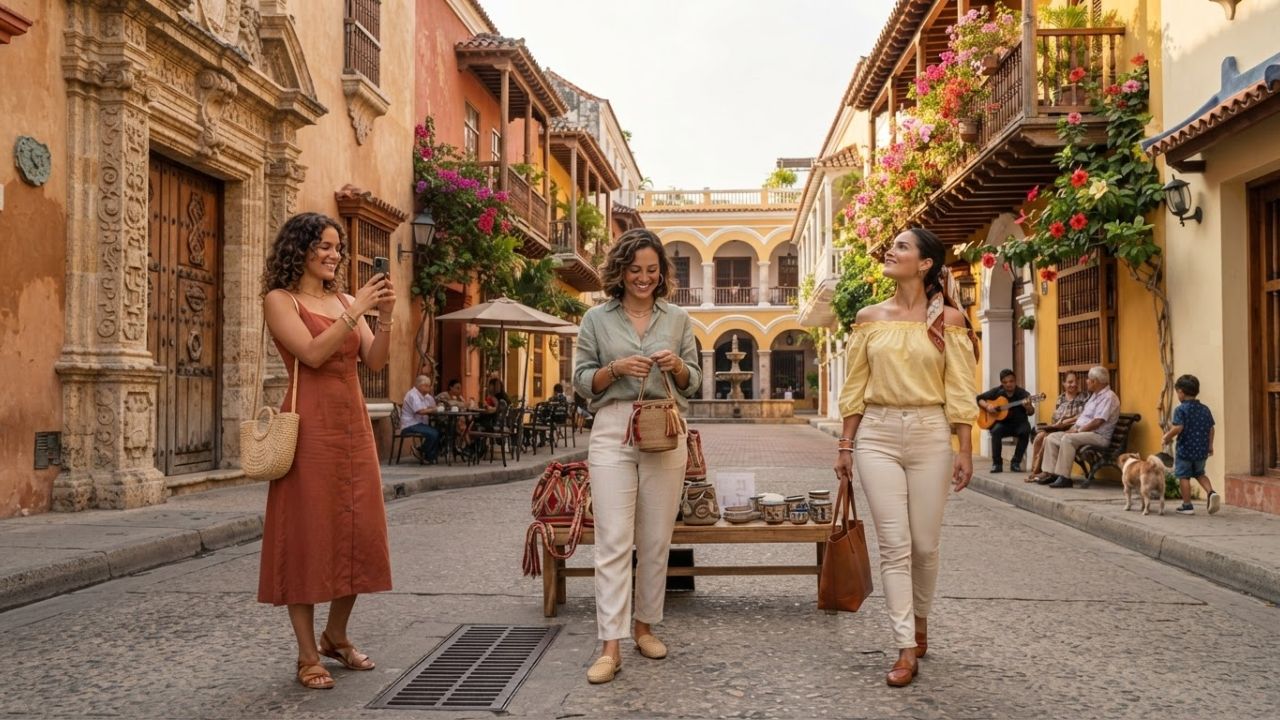
Image generated by AI
A major expansion in cultural travel has been established as Colombia and five other nations record historic growth in heritage tourism. Fueled by national preservation plans and community-focused investments, these countries are transforming historic cities and ancient capitals into key destinations for international travelers.
Colombia's Cultural Revival: Walled Cities and Heritage Networks
Colombia is experiencing a significant rise in international visitor interest, driven by a national strategy that integrates historical preservation with local community programs. This approach is highly visible in major hubs like Bogotá, Medellín, and Cartagena, as well as across a protected network of smaller municipalities.
In Bogotá, the historic La Candelaria district serves as a walkable cultural center. The city hosts over 18,000 cultural events annually. In 2026, Bogotá received the top score in an international Travel Authenticity Index based on over 1.3 million reviews across 140 cities. Cartagena remains a key driver of heritage travel, featuring a walled historic core. In June 2026, the National Heritage Council approved the Special Management and Protection Plan for Cartagena's Historic Centre to conserve its heritage. Meanwhile, Medellín utilizes cable car networks to link mountain vistas with public art in historical neighborhoods.
Public Funding and Infrastructure Projects in Colombia's Heritage Towns
Beyond its major cities, Colombia has developed a structured Heritage Towns network comprising 18 designated municipalities. The network includes destinations such as Barichara, Villa de Leyva, Mompox, Santa Fe de Antioquia, Lorica, and Jardín, each recognized for traditional architecture, craft preservation, and regional gastronomy. The network was established in 2010 to promote cultural tourism and create direct economic opportunities for local communities.
This regional network has shown significant growth. In 2022, the 18 heritage towns welcomed over 6,600 international visitors. By July 2023, the number of registered tourism service providers operating in these municipalities reached 3,095, representing a 125.9% increase over four years. To sustain this momentum, the national government approved 63 infrastructure and conservation projects between August 2022 and October 2025, representing a public investment of 24.4 billion Colombian pesos.
To coordinate this growth, the Ministry of Trade, Industry and Tourism issued new management guidelines in late 2025, focusing on balancing visitor volumes with local resources. The World Travel & Tourism Council projects a 5.7% growth in Colombia’s tourism GDP for 2026, reflecting the success of these regional development strategies.
Mexico: Archeological Preservation and UNESCO-Backed Community Tourism
Mexico is experiencing a surge in cultural tourism. Government data shows the country recorded 21.4 million visits to archaeological zones and museums in 2025, a 9.1% increase from 2024. Archaeological sites attracted 9.9 million visitors, while museums welcomed 11.5 million. Chichén Itzá remained the most popular site with 2.2 million visitors, followed by Teotihuacán with 1.8 million, and Tulum with 1 million.
To distribute these benefits, the Mexican government is collaborating with UNESCO on community-based tourism programs across seven states, including Oaxaca and Puebla. Additionally, the country promotes World Heritage urban centers like Guanajuato, Querétaro, and Zacatecas, ensuring that tourism spending directly supports local conservation.
Italy: Art Cities and Sustainable Visitor Distribution
Italy remains a premier destination for heritage travel, hosting 61 properties inscribed on the UNESCO World Heritage List. Historic centers like Rome, Florence, Venice, Naples, and Bologna remain integrated into daily urban life. In Florence, the UNESCO-listed historic center covers 505 hectares.
A June 2026 publication by the Ministry of Tourism placed the economic impact of cultural tourism at approximately €57 billion, with nearly 60% of international visitors selecting Italy for its cultural assets. To support these hubs, the Ministry previously allocated €50 million to improve infrastructure. To manage high visitor density, the government has implemented programs in major cities to distribute visitors to secondary cultural destinations.
Japan: Record Arrivals and the New Asuka-Fujiwara UNESCO Inscription
Japan is experiencing record-breaking international arrivals, welcoming 42.68 million international visitors in 2025, according to the Japan Tourism Agency. While Kyoto and Tokyo remain primary gateways, travelers are increasingly exploring ancient capitals and newly designated historic sites in Nara Prefecture.
On July 26, 2026, the UNESCO World Heritage Committee officially inscribed Asuka-Fujiwara: Archaeological Sites of Japan's Ancient Capitals and Related Properties on the World Heritage List. The site includes 19 component parts across Asuka Village, Kashihara City, and Sakurai City, representing Japan's early centralized state development between the 6th and 8th centuries. The designation features ancient palaces, temple ruins, and mounded tombs like the Takamatsuzuka and Kitora tombs, famous for murals.
This new listing gives visitors a reason to explore Japan's ancient history, connecting travel with regional rail routes, craft workshops, and traditional culinary tours. Spreading arrivals across these archaeological sites helps manage overcrowding in Kyoto and Tokyo, supporting regional economies in Nara Prefecture.
Morocco and Spain: Medinas and Layered Historic Networks
Morocco offers a distinct model of heritage travel, where historic medinas function as active residential and commercial centers. UNESCO recognizes nine cultural World Heritage sites in Morocco, including the medinas of Fez, Marrakech, and Tetouan. In Fez, traditional artisan guilds, tanneries, and historic madrasas remain integrated into the city’s economy.
Morocco welcomed approximately 20 million tourists in 2025 and is targeting 26 million by 2030. To prepare for the 2030 FIFA World Cup, the country added 45,000 hotel beds over four years and plans to add an additional 60,000. The government is promoting capital cities like Rabat as cultural hubs to diversify tourism beyond traditional resorts.
In Spain, the national tourism authority promotes a network of 15 World Heritage cities, including Córdoba, Ávila, Cáceres, Toledo, and Baeza. This network allows slow travelers to plan regional itineraries that link different architectural periods, such as Córdoba’s Great Mosque and Ávila’s medieval walls. This structured approach helps distribute visitor spending across smaller regional economies.
Local Specialist and Heritage Traveler Tips
To help travelers plan their heritage journeys and secure the best experiences, destination specialists recommend these practical tips:
- Explore Beyond Primary Gateways: When visiting Japan or Italy, plan itineraries to include newly designated sites like the Asuka-Fujiwara archaeological zones or secondary art cities.
- Support Walled City Preservation: In Cartagena, review the guidelines of the Special Management and Protection Plan to ensure respect for local community spaces.
- Visit Museums During Off-Peak Hours: In Mexico, visit major sites like Chichén Itzá or Teotihuacán early in the morning to avoid midday crowds and heat.
- Utilize Public Transit Networks: Link Spain's World Heritage cities or Colombia's heritage towns using regional rail and bus networks to reduce your environmental footprint.
- Research Medina Etiquette: When visiting the medina of Fez, respect local commercial customs and hire authorized local guides to navigate the historic streets.
Community Support and Sustainable Travel Practices
Practicing sustainable tourism is essential for preserving historic cities and fragile archaeological landscapes. Visitors can minimize their impact by staying on designated paths, avoiding touching ancient masonry, and respecting local residential zones in historic medinas.
Supporting local craft shops, dining at family-owned restaurants, and staying at historic boutique lodgings ensures that visitor spending directly supports the local economy. This direct support helps fund community-led conservation projects and preserves traditional craftsmanship.
Long-Term Outlook for Global Heritage Tourism
The long-term outlook for global heritage tourism remains positive, as governments continue to invest in sustainable infrastructure and historic preservation. By protecting tangible and intangible heritage, destinations can offer authentic experiences that attract the next generation of travelers.
The collaboration between conservation bodies, municipal governments, and local hospitality providers will remain essential in supporting a sustainable travel network. This ongoing commitment ensures that the world's historic cities and ancient capitals remain vibrant cultural centers for years to come.
Related Travel Guides
Halifax County Tourism Reaches Record $132.8 Million in Visitor Spending
New Caledonia and Mediterranean Escapes Drive Quiet Coastal Travel Trend
US Cities Supercharge EV Travel: A New Era for American Tourism
Disclaimer
This article is for informational and educational purposes only. It does not constitute legal, financial, or professional advice. While we strive to provide accurate and up-to-date information, travel policies, regulations, and conditions change rapidly. Always verify information with official sources before making travel decisions. Nomad Lawyer makes no representations about the accuracy, reliability, completeness, or suitability of the information provided. Readers should consult qualified professionals for advice specific to their circumstances. The views expressed in this article are those of the author and do not necessarily reflect the views of Nomad Lawyer.
Raushan Kumar
Founder & Lead Developer
Full-stack developer with 11+ years of experience and a passionate traveller. Raushan built Nomad Lawyer from the ground up with a vision to create the best travel and law experience on the web.
Learn more about our team →