
Halifax County Tourism Reaches Record $132.8 Million in Visitor Spending
Halifax County records a major tourism milestone with visitor spending reaching $132.8 million in 2025, driven by historic preservation and river recreation.

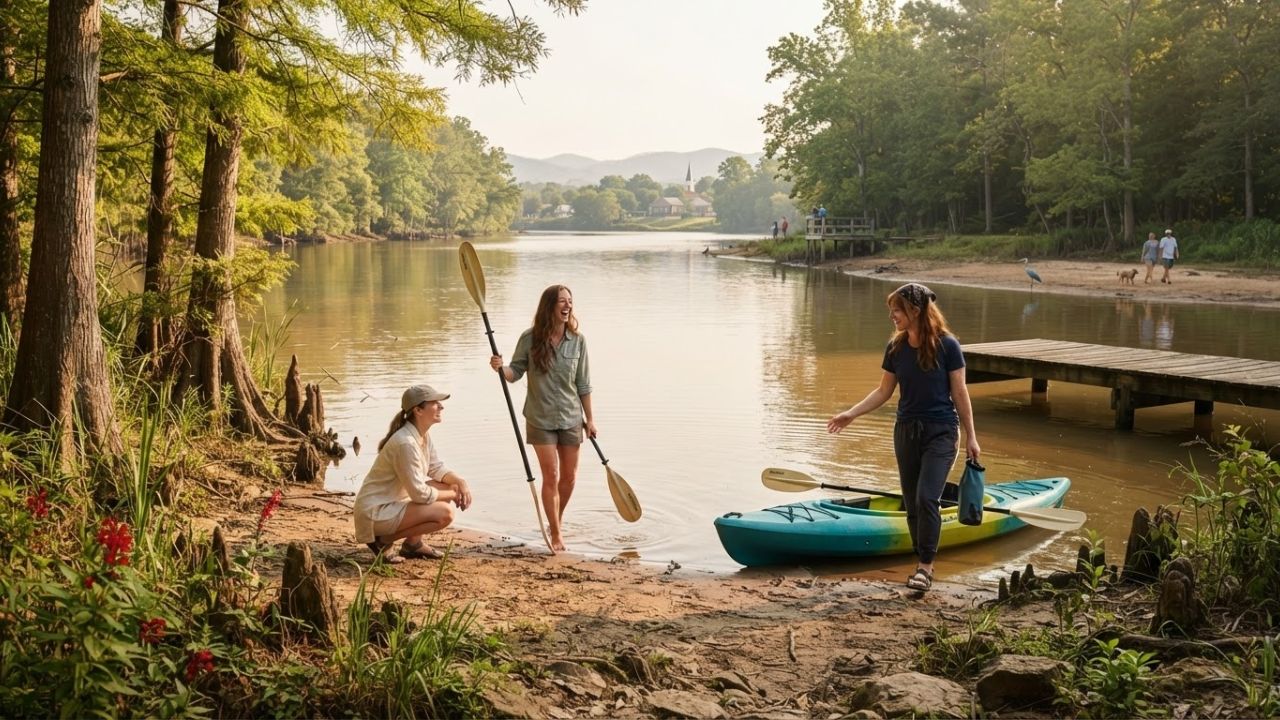
Image generated by AI
The rural counties of North Carolina are experiencing a powerful surge in traveler interest as visitors seek out authentic heritage and outdoor recreation, far removed from crowded urban hubs. Led by a record-breaking $132.8 million in visitor spending during 2025, Halifax County has emerged as a premier destination for travelers looking to connect with history along the Roanoke River and support local community-driven economies.
The Rise of Rural and Community-Focused Travel
The travel industry in North Carolina is undergoing a noticeable transformation as visitors shift away from traditional, congested tourism hotspots toward destinations that offer authentic regional character and slow travel experiences. According to recent reports from Visit North Carolina, this movement is providing significant economic benefits to rural communities, with visitor spending directly supporting local hotels, restaurants, retail shops, and recreational outfitters. In Halifax County, this shift generated $132.8 million in 2025, demonstrating the expanding influence of the local visitor economy.
This growth in tourism does not rely on massive commercial developments or high-density resorts. Instead, it is built on the preservation of existing natural resources and historical assets, allowing communities to welcome visitors while maintaining their distinct local identities. Travelers are increasingly drawn to regions where they can interact directly with business owners, learn about local history from residents, and explore natural areas without the crowds typical of major coastal or mountain destinations. This dispersion of tourism across the state helps create a more balanced economic environment, supporting jobs and encouraging entrepreneurship in smaller towns.
For Halifax County, the rise in visitor spending represents a valuable opportunity to highlight the unique cultural and natural assets of northeastern North Carolina. The revenue generated by tourism is reinvested into community infrastructure, recreational facilities, and conservation programs, ensuring that the benefits of travel are shared by residents and visitors alike. This sustainable model of growth shows how rural counties can build resilient visitor economies by focusing on local experiences, hospitality, and environmental stewardship.
Roanoke River Conservation and the Eco-Tourism Surge
At the center of the regional identity is the Roanoke River, a major waterway that is becoming a key destination for outdoor recreation and ecological tourism. The river offers visitors opportunities for fishing, paddling, and wildlife viewing. However, the popularity of the riverfront requires active management to protect the delicate aquatic and riparian ecosystems. Local organizations, including Roanoke River Partners, work to balance recreation with conservation, ensuring that visitor activities do not degrade the natural environment.
Through partnerships with state agencies and conservation groups like The Nature Conservancy, the region has joined the Outdoor NC movement to promote responsible travel practices. Visitors are educated on Leave No Trace principles, which include respecting wildlife, staying on designated paths, and packing out all trash. This community-wide commitment to environmental stewardship helps protect the wild spaces along the river while providing visitors with high-quality, low-impact outdoor experiences.
One of the major ecological projects in the region is the Sustainable Rivers Program, a collaborative effort involving the U.S. Army Corps of Engineers and NOAA. This program focuses on restoring natural water flow rhythms along the Roanoke River and removing physical barriers to fish migration. By replacing undersized culverts with bridges and managing water releases from upstream dams, the project helps migratory fish, such as striped bass and the endangered Atlantic sturgeon, reach vital spawning grounds. These efforts not only support the recovery of native wildlife but also enhance the river's reputation as a premier destination for sustainable fishing and nature tourism.
Historical Preservation and Heritage Tourism
Beyond its natural attractions, the area preserves a rich history that spans from the Revolutionary War to the industrial era. Historic Halifax State Historic Site, managed by the North Carolina Department of Natural and Cultural Resources, serves as a vital educational resource and a major attraction for heritage travelers. Known as the "Birthplace of Freedom," the site commemorates the Halifax Resolves of April 12, 1776, the first official provincial action calling for American independence. Visitors can tour restored historic buildings, including the 1780 Eagle Tavern and the 1838 Jail, to understand the social and political history of early North Carolina.
The preservation of these historic structures is integrated with the surrounding natural environment, allowing visitors to walk through history while enjoying the peaceful setting. Rather than presenting a static version of the past, local guides and living history demonstrations provide detailed context about the diverse communities that lived and worked in the county over the centuries. This focus on historical accuracy and inclusive storytelling helps build a deeper connection between visitors and the destination, moving beyond superficial sightseeing to foster genuine historical understanding.
Another key historical attraction is the Roanoke Canal Museum and Trail, which follows the route of a nineteenth-century navigation canal. The 7.5-mile trail features engineering ruins, including stone aqueducts and lock structures, and serves as an active recreational corridor for hikers, runners, and cyclists. The museum provides interactive exhibits on the construction of the canal and the development of river-powered industry, showing how the natural geography of the region shaped its economic history. By linking historical education with outdoor recreation, the canal trail offers a unique travel experience that highlights the relationship between human industry and the natural environment.
Expat and Destination Specialist Insider Tips
To help travelers experience the best of the region like a local, destination specialists recommend these practical insider tips:
- Off-Peak Visit Windows: Plan your outdoor activities along the Roanoke River early in the morning, especially during the hot summer months. Exploring the Roanoke Canal Trail before 9:00 AM allows you to enjoy the shade and view active bird populations before the midday heat.
- Local Transportation: The Roanoke Canal Museum offers a free bike lending program. Visitors can borrow a bicycle to ride the flat, scenic canal trail, making it easy to explore the entire 7.5-mile route without bringing their own gear.
- Sylvan Heights Bird Park: Located in Scotland Neck, this conservation park is home to one of the world's largest collections of rare and endangered waterfowl. Visitors can walk through large aviaries and interact with birds, making it a key educational stop.
- Weldon Mills Distillery: Visit this craft distillery located in a historic grist mill along the river. They offer tours showing how they produce spirits, including bourbon and rhubarb gin, using local grains.
- Ralph’s Barbecue: For a taste of authentic regional cuisine, stop by Ralph’s Barbecue in Weldon. This long-standing diner is famous for its Eastern North Carolina vinegar-based pulled pork, Brunswick stew, and traditional banana pudding.
- Blue Jay Bistro: For a contemporary dining experience, reserve a table at Littleton's Blue Jay Bistro, which features a seasonal menu focused on fresh ingredients sourced from local farms.
Sustainable Tourism Outlook for Halifax County
The long-term success of the regional visitor economy depends on maintaining a balance between economic development, heritage preservation, and environmental conservation. As tourism spending continues to rise, local leaders and business owners are focusing on expanding sustainable infrastructure, such as adding more access points to the Roanoke River State Trail and developing eco-friendly camping platforms along the paddle trail. By investing in these low-impact facilities, the county can welcome more visitors without placing excessive pressure on natural habitats.
Through continued collaboration between community organizations, local businesses, and environmental groups, the region is positioning itself as a model for sustainable rural tourism. By highlighting its authentic character, protecting its rivers and forests, and supporting local businesses, the county ensures that its visitor economy remains a source of community pride and economic resilience for years to come.
Related Travel Guides
Disclaimer
This article is for informational and educational purposes only. It does not constitute legal, financial, or professional advice. While we strive to provide accurate and up-to-date information, travel policies, regulations, and conditions change rapidly. Always verify information with official sources before making travel decisions. Nomad Lawyer makes no representations about the accuracy, reliability, completeness, or suitability of the information provided. Readers should consult qualified professionals for advice specific to their circumstances. The views expressed in this article are those of the author and do not necessarily reflect the views of Nomad Lawyer.
Raushan Kumar
Founder & Lead Developer
Full-stack developer with 11+ years of experience and a passionate traveller. Raushan built Nomad Lawyer from the ground up with a vision to create the best travel and law experience on the web.
Learn more about our team →