
Grand Egyptian Museum Fuels Egypt Tourism Expansion Beyond Heritage Into Luxury and Coastal Escapes
Grand Egyptian Museum Fuels Egypt Tourism Expansion Beyond Heritage Into Luxury and Coastal Escapes

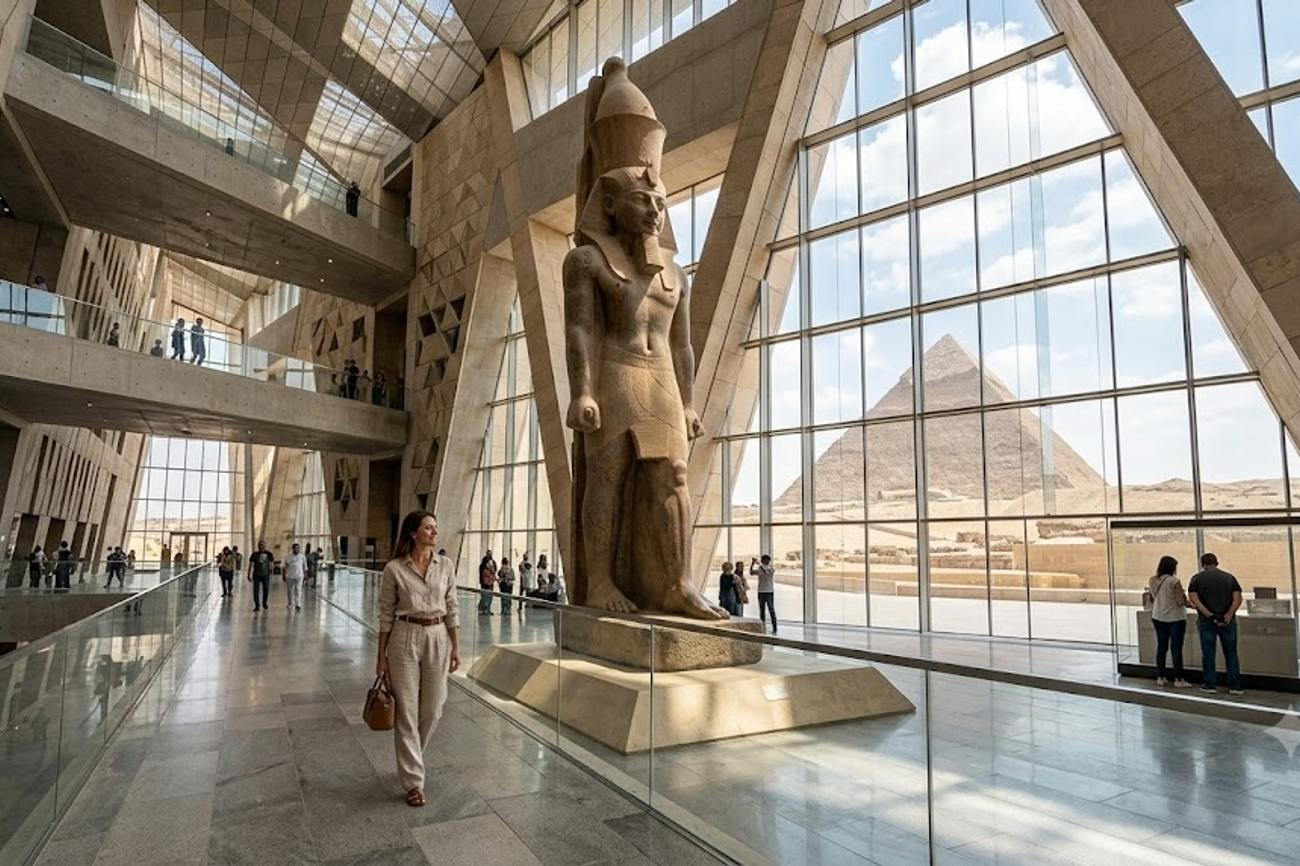
Image generated by AI
Egypt is currently engineering a massive structural shift in its tourism geography, moving away from the traditional "pyramids-and-beach" binary toward a diversified economy that targets 30 million annual visitors by 2031. While most travelers still view the country through the lens of antiquity, the real story is the explosive growth of the Mediterranean coast, where New Alamein saw a staggering 450 per cent increase in charter flights during 2025.
The Mediterranean Pivot and the Rise of the North Coast
For decades, the Egyptian travel experience was a predictable loop: Cairo for the monuments, the Nile for the cruise, and the Red Sea for the diving. However, the government is aggressively diversifying this flow. The emergence of New Alamein and the massive Ras El Hekma project signals a move to capture the Mediterranean market.
Ras El Hekma is not merely a resort; it is an integrated urban experiment spanning approximately 170 million square metres. With an initial investment of $35 billion and long-term projections reaching $150 billion, this development is designed to transform the northwestern coast into a year-round destination. This shift is reflected in the data: international arrivals hit nearly 19 million in 2025, a 21 per cent jump from 2024. This momentum persisted into 2026, with 6.1 million visitors recorded in the first four months alone—a 7 per cent increase over the same period the previous year.
This expansion is supported by a massive increase in infrastructure. Hotel capacity is slated to more than double by 2030 to accommodate the projected surge. For the traveler, this means the North Coast is no longer just a seasonal playground for the Cairene elite but a viable extension of an international itinerary. By integrating leisure with cultural stops in Alexandria and Cairo, Egypt is attempting to increase the "tourist night" count, which already reached 179.3 million in the 2024/25 fiscal year.
Redefining the Heritage and Coastal Experience
The Grand Egyptian Museum (GEM) has fundamentally altered the rhythm of Cairo. Since opening in late 2025 adjacent to the Giza plateau, it has acted as a modern anchor for the city's ancient offerings. The scale of the GEM is immense; it welcomed over 6.5 million visitors in its first few months, averaging roughly 15,000 guests per day shortly after its debut.
Rather than being just another stop on a checklist, the GEM allows visitors to extend their stay in the capital. The introduction of electronic ticketing and timed-entry systems via their online platform has streamlined the experience, moving the focus from the quantity of monuments seen to the quality of the engagement. To plan a visit to these UNESCO World Heritage sites, travelers are now encouraged to use digital management tools to avoid the peak midday heat and crowds.
Simultaneously, the Red Sea corridor is shedding its image as a hub for budget all-inclusive packages. Hurghada and Sharm El Sheikh are evolving into sophisticated centers for wellness, yachting, and nautical tourism. The national strategy is now targeting higher-spending demographics by integrating medical wellness and eco-tourism into the existing diving infrastructure. This evolution is reflected in the revenue streams: tourism earnings hit $16.7 billion in fiscal 2024/25 and reached approximately $8 billion in the first half of 2026.
Visitor Insider Tips
To experience this new version of Egypt, you have to move beyond the standard tour operator packages.
Timing Your Visit The traditional window is October to April, but the rise of the Mediterranean resorts makes the summer months (June to August) increasingly viable for those focusing on New Alamein and the North Coast. For Cairo and the GEM, aim for the early morning slots (8:00 AM) to beat the heat and the tour buses.
Navigating the New Hubs If you are heading to the Mediterranean coast, check for charter flights directly into Al-Alamein International Airport. This saves a grueling 4-to-6-hour drive from Cairo. For those exploring the Red Sea, look for boutique wellness retreats rather than the massive resorts; these smaller properties offer a more authentic connection to the local marine environment.
The Grand Egyptian Museum serves as a strategic catalyst for diversifying Egypt's tourism offerings, shifting the focus from traditional sightseeing to high-end luxury experiences. This expansion is supported by the Egyptian Ministry of Tourism and Antiquities, which aims to increase international visitor numbers through integrated cultural and coastal itineraries.
Local Etiquette and Logistics When visiting the GEM or the Pyramids, use the official electronic ticketing systems to avoid the "hassle" of street touts. In the newer coastal developments like Ras El Hekma, the vibe is more international and relaxed, but in historic Cairo and Alexandria, modest dress remains a sign of respect and helps you blend in.
Regional Specialties While in the North Coast, seek out the fresh Mediterranean seafood markets in Alexandria—specifically the grilled sea bass and shrimp—which differ significantly from the Red Sea fare. In Cairo, move away from the hotel dining rooms and find the local koshary shops in the downtown districts for an authentic, affordable meal.
Cultural and Environmental Context
The rapid expansion of tourism—aiming for 30 million visitors by 2031—places significant pressure on Egypt's ecological and social fabric. The transition toward "integrated coastal developments" like Ras El Hekma requires a delicate balance between luxury urbanization and the preservation of the Mediterranean coastline.
There is a concerted effort to move toward eco-tourism and sustainable marine activities in the Red Sea to protect the coral reefs, which are the primary draw for the diving community. Furthermore, the shift toward higher-spending, longer-stay visitors is intended to reduce the "overtourism" effect seen at the Pyramids, spreading the economic benefits across a wider array of provinces and reducing the seasonal volatility of the tourism economy. By diversifying the product—adding wellness, yachts, and adventure travel—Egypt is attempting to create a more resilient economic model that doesn't rely solely on the "bucket list" appeal of the Pharaohs. For more official guidance on sustainable travel within the country, visit Egypt's official tourism portal.
FAQ: Visiting Egypt 2026
What is the best time to visit? For heritage sites in Cairo and Luxor, November to February is ideal. For the new Mediterranean resorts in New Alamein and Ras El Hekma, the summer months offer the best beach weather.
How do I get to the North Coast from Cairo? You can fly into Al-Alamein International Airport for the fastest access or hire a private driver for a 4-to-6-hour journey along the coastal road.
Is the Grand Egyptian Museum open to the public? Yes, it opened in late 2025. It is highly recommended to book timed-entry tickets through their official online platform to manage your visit and avoid long queues.
Is it safe for solo travelers? Yes, Egypt is generally safe for solo travelers. Using official transport, staying in reputable hotels, and utilizing digital ticketing for major sites helps ensure a smooth experience.
Egypt is no longer just a museum of the past; it is becoming a blueprint for the future of Mediterranean luxury.
Related Travel Guides
- Santorini Tourism Enters a New Era as Akrotiri Pyrgos Perissa and Profitis Ilias Gain Attention
- Zambia Follows Saudi Arabia and More Countries in AI-Powered Tourism Boom to Drive Visitors and Jobs Growth
- Netherlands Is Now Set to Unlock New Cultural Tourism as the Groningen Museum Exhibition Programme Opens
Disclaimer
This article is for informational and educational purposes only. It does not constitute legal, financial, or professional advice. While we strive to provide accurate and up-to-date information, travel policies, regulations, and conditions change rapidly. Always verify information with official sources before making travel decisions. Nomad Lawyer makes no representations about the accuracy, reliability, completeness, or suitability of the information provided. Readers should consult qualified professionals for advice specific to their circumstances. The views expressed in this article are those of the author and do not necessarily reflect the views of Nomad Lawyer.
Kunal K Choudhary
Co-Founder & Contributor
A passionate traveller and tech enthusiast. Kunal contributes to the vision and growth of Nomad Lawyer, bringing fresh perspectives and driving the community forward.
Learn more about our team →