
Zambia Follows Saudi Arabia and More Countries in AI-Powered Tourism Boom to Drive Visitors and Jobs Growth
Zambia Follows Saudi Arabia and More Countries in AI-Powered Tourism Boom to Drive Visitors and Jobs Growth

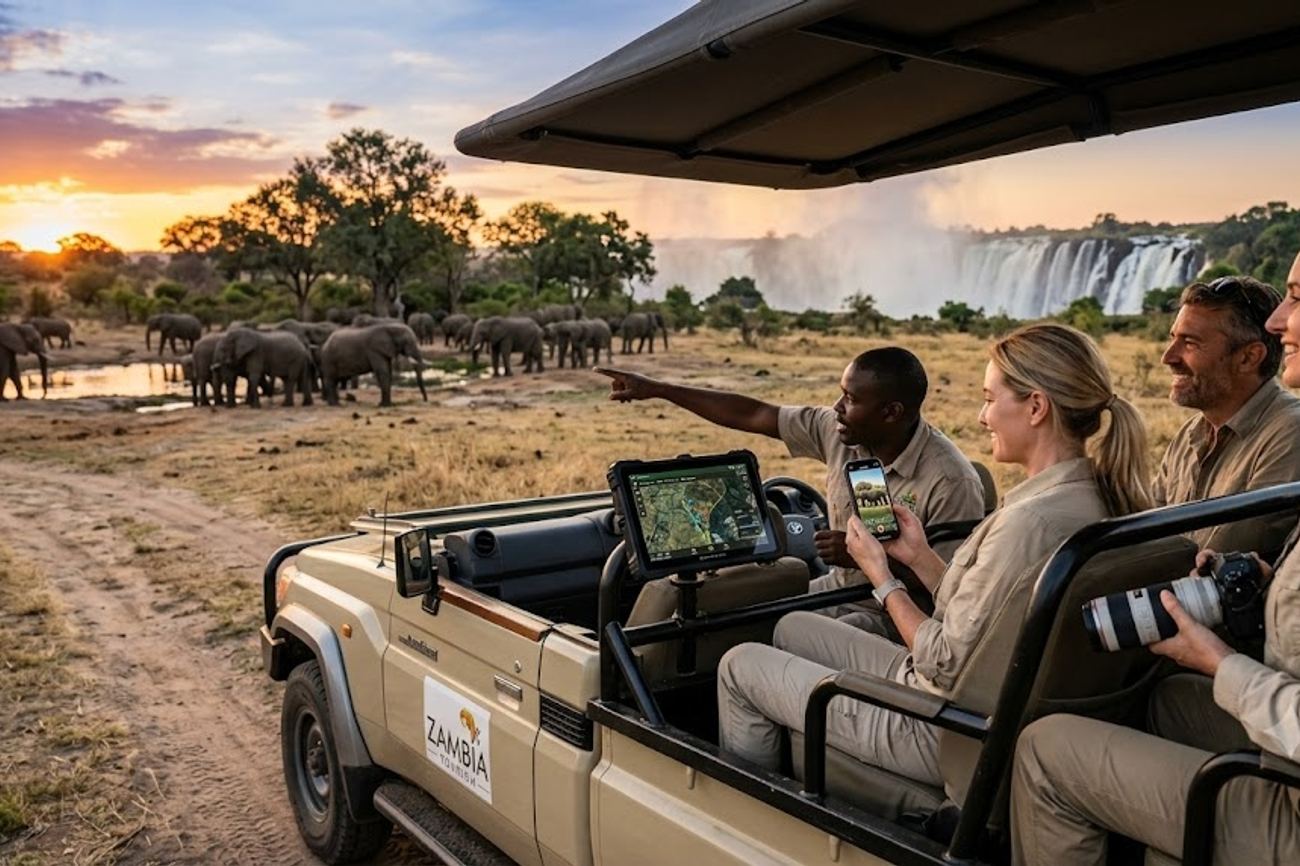
Image generated by AI
5 million annual international arrivals is the ambitious target Zambia has set for its tourism sector, a goal the nation now intends to reach by pivoting its entire growth strategy toward artificial intelligence and comprehensive digitalization. This shift represents a calculated move to transition from a reliance on legacy marketing and physical infrastructure to a data-driven model that mirrors the "smart tourism" frameworks currently dominating high-growth markets in Asia and the Middle East. By integrating AI into the visitor journey, Zambia is attempting to bypass traditional developmental hurdles, using technology to bridge the gap between its raw natural assets and the digital expectations of the modern global traveler.
The Shift Toward Smart Destination Management
Zambia's strategic pivot was formally crystallized during the inaugural Tourism and Technology Symposium held in Lusaka. This gathering served as the launchpad for a national agenda that views digitalization not as a luxury, but as a core utility for economic expansion. The current travel market is defined by a "digital-first" consumer; the modern tourist utilizes algorithmic recommendations, mobile-integrated payments, and real-time digital booking platforms long before they touch down in a destination. For a country aiming to double its visitor count, the absence of a seamless digital interface is a systemic barrier to entry.
The Zambian government is aligning this push with broader national development goals, recognizing that tourism cannot exist in a vacuum. By upgrading the digital rails of the tourism industry, the state is simultaneously pushing for wider digital inclusion across rural communities and encouraging youth-led innovation in the tech sector. This is a symbiotic approach: as the Zambia Tourism Agency (or equivalent regulatory bodies) implements these systems, they create a secondary economy of tech-enabled service providers, from app developers to digital payment facilitators.
Data-Driven Growth Metrics and Global Benchmarking
Zambia is not inventing this model but is instead importing a proven blueprint from global leaders in smart tourism. The strategy involves moving away from generic promotion toward hyper-personalized visitor engagement. The following table illustrates how Zambia is benchmarking its goals against established digital tourism powerhouses.
| Country | Digital Strategy Focus | Primary Technological Driver |
|---|---|---|
| Zambia | Arrival Growth & Market Reach | AI-driven promotion & digital visitor engagement |
| Saudi Arabia | Large-scale Expansion | Smart destination solutions & digital innovation |
| UAE | Visitor Experience | AI-supported services & smart tourism experiences |
| Singapore | Operational Efficiency | Advanced data analytics & visitor management |
| South Korea | Urban Tourism | Smart tourism cities & personalized digital services |
| Spain | Sustainability | Smart destination programs for efficiency |
The objective for Zambia is to synchronize these high-level technologies with its specific strengths in wildlife and cultural heritage. The goal is to create a connected ecosystem where the visitor, the local operator, and the government are linked via a single digital thread, reducing friction in the booking process and increasing the transparency of tourism products.
Expert Analysis: The Frictionless Travel Mandate
For the international traveler, the direct consequence of Zambia’s AI push is the elimination of "discovery friction." Historically, accessing niche wildlife experiences or remote cultural sites in Southern Africa required multiple intermediaries—travel agents, local fixers, and manual confirmation emails. By implementing AI-powered discovery and secure digital payment gateways, Zambia is effectively removing the middleman. This democratization of access allows smaller, community-based operators to compete on a global stage, as their visibility is no longer tied to their relationship with a large tour operator but to their presence on a digital platform.
Zambia is integrating AI-driven strategies to personalize visitor experiences and streamline digital marketing to attract high-value international travelers. These initiatives align with broader goals managed by the Zambia Tourism Agency, focusing on sustainable growth and job creation within the hospitality sector.
From a regulatory and business perspective, the move toward data-based decision-making is the most significant shift. When tourism authorities move from "estimated" arrivals to "real-time" data analytics, they can optimize infrastructure investment. For example, if AI analysis reveals a surge in interest from a specific demographic in Europe or Asia for a particular national park, the government can redirect resources or adjust visa policies in real-time to capture that demand.
However, the pricing pressure created by this transparency is a double-edged sword. As booking platforms become more transparent, local operators will face increased price competition. To survive, Zambian tourism businesses must shift from selling "access" to selling "value," using digital storytelling to justify premium pricing for unique experiences. The integration of AI is not merely about the software; it is about a fundamental shift in the business model of Zambian hospitality.
Key Takeaways
- Aggressive Growth Target: Zambia is leveraging AI to hit a specific milestone of 5 million annual international visitors.
- Infrastructure Modernization: The focus is on replacing traditional marketing with AI-driven destination promotion, secure digital payments, and online booking systems.
- Global Alignment: Zambia is mirroring the "smart tourism" strategies of the UAE, Singapore, and Saudi Arabia to remain competitive.
- Economic Synergy: The digital push is linked to national goals for youth employment, digital inclusion, and the protection of natural assets.
- Enhanced Visibility: AI tools are being used to amplify the global reach of Zambia's wildlife and cultural sectors through data-driven marketing.
FAQ: Zambia Digital Tourism 2024
Will AI change the cost of visiting Zambia? While AI doesn't directly set prices, increased digital transparency and the removal of intermediaries may lead to more competitive pricing for bookings. However, high-demand experiences may see price fluctuations based on real-time data analytics.
To support this influx of tourists, the country is optimizing passenger logistics and infrastructure at its primary gateways. Travelers can coordinate their arrivals and transit requirements through the Kenneth Kaunda International Airport to ensure seamless entry into the region.
How does "smart tourism" benefit the average traveler? Travelers will experience easier discovery of hidden gems, seamless mobile payment options, and more personalized itineraries based on their interests, reducing the time spent on manual planning and coordination.
Does this mean Zambia is moving away from traditional wildlife tours? No. The technology is designed to support, not replace, traditional strengths. AI is being used to improve the visibility and accessibility of wildlife and cultural experiences, making them easier to find and book.
What is the role of data analytics in this strategy? Data analytics allows the government to monitor traveler behavior and demand patterns. This ensures that infrastructure—such as roads and hotels—is developed in areas where tourists actually want to go.
The transition from a wilderness destination to a smart destination is a high-stakes gamble on the power of the algorithm to drive the economy.
Tags: Zambia Tourism 2024, Smart Tourism Strategy, AI Travel Integration, Lusaka Tech Symposium, Southern Africa Digitalization
Related Travel Guides
Disclaimer
This article is for informational and educational purposes only. It does not constitute legal, financial, or professional advice. While we strive to provide accurate and up-to-date information, travel policies, regulations, and conditions change rapidly. Always verify information with official sources before making travel decisions. Nomad Lawyer makes no representations about the accuracy, reliability, completeness, or suitability of the information provided. Readers should consult qualified professionals for advice specific to their circumstances. The views expressed in this article are those of the author and do not necessarily reflect the views of Nomad Lawyer.
Kunal K Choudhary
Co-Founder & Contributor
A passionate traveller and tech enthusiast. Kunal contributes to the vision and growth of Nomad Lawyer, bringing fresh perspectives and driving the community forward.
Learn more about our team →