
Granada Steps Up Travel Safety Monitoring Following Magnitude 5.0 Earthquake
Granada has intensified safety inspections of historic quarters and the Alhambra Palace complex after a magnitude 5.0 earthquake centered near Alhendín.

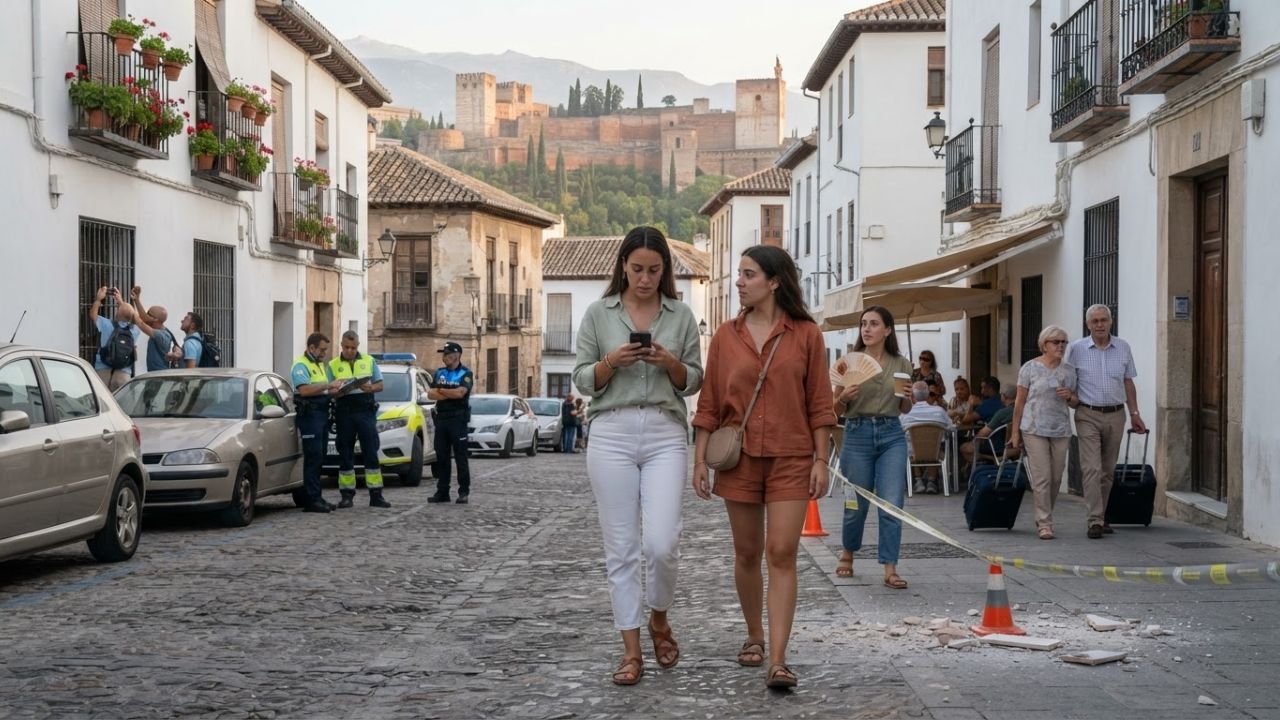
Image generated by AI
Granada has intensified travel safety monitoring across its historic quarters and the Alhambra Palace complex following a magnitude 5.0 earthquake centered near Alhendín. By conducting rapid engineering surveys and verifying that tourist facilities remain unaffected, emergency services are working to maintain visitor confidence during the peak travel season.
Seismic Activity and the Alhendín Epicentre Details
A powerful magnitude 5.0 earthquake shook the Granada metropolitan area in the early hours of the morning, waking residents and visitors across the region. The seismic event originated near Alhendín, a municipality located just south of Granada city in the Andalusia region. According to technical data from the Spanish National Geographic Institute (IGN), the earthquake struck at a shallow depth of approximately 2 kilometers, which significantly amplified the intensity of the shaking at the surface.
The Andalusian Emergency Coordination Centre (112) handled more than 150 inquiries within the first two hours of the initial shock. Most callers reported minor cosmetic damage or sought reassurance regarding safety protocols. This high volume of inquiries highlights the importance of real-time communication during natural events, prompting the regional government to establish an online information portal with live updates on seismic activity. Emergency services responded immediately to reports of local damage. The tremor caused minor structural damage to buildings, including surface cracks in walls, detached plaster on exterior facades, and loose roofing tiles in several metropolitan areas. In addition, some vehicles were damaged by falling masonry in narrow streets. While the sudden movement created temporary panic in tourist hotels and residential quarters, regional authorities confirmed that there were no reported fatalities or serious injuries linked to the earthquake, allowing the community to focus on safety inspections.
The Structural Resilience of the Alhambra Palace Complex
One of the primary concerns following the seismic event was the physical condition of the Alhambra, Granada's most iconic historic monument and a UNESCO World Heritage site. The palace complex, which attracts millions of international travelers throughout the year, is located on a hilltop overlooking the city. Conservation teams and structural engineers conducted immediate inspections using specialized monitoring sensors to check the integrity of the ancient rammed-earth walls and stone towers.
The safety inspections confirmed that the Alhambra was completely unaffected by the earthquake, preventing any disruption to its opening hours or visitor schedules. Studies on the Alhambra's structural resilience indicate that the historic lime mortars and rammed-earth construction techniques used by Moorish builders provide surprising flexibility, helping the monument withstand regional seismic shocks. Maintaining the physical safety and accessibility of such heritage sites remains a top priority for the patronato of the Alhambra, as the local visitor economy depends heavily on protecting its cultural identity.
Southern Spain's Tectonic Context and Aftershock Sequence
Southern Spain, particularly the province of Granada, is historically one of the country's most active seismic zones due to its geological position. The region lies close to the active convergence boundary between the African Plate and the Eurasian Plate. The ongoing pressure between these tectonic plates is released through a network of local fault zones, resulting in frequent minor tremors and occasional larger earthquakes.
According to data from the Betic Seismic Network, the fault systems in the Granada Basin are characterized by relatively frequent, low-to-moderate magnitude events. The last major seismic sequence occurred in 2021, when a series of medium-strength earthquakes prompted similar safety inspections. This history has led to the implementation of strict seismic design codes for all new buildings in the metropolitan area, which contributed significantly to preventing structural collapses during this recent tremor. Following the initial magnitude 5.0 shock, the National Geographic Institute recorded a series of smaller aftershocks concentrated in Armilla, Las Gabias, Ogíjares, and Alhendín. These secondary movements ranged in magnitude from 2.2 to 3.7. While standard for seismic decay sequences, these aftershocks require emergency teams to maintain close monitoring of older buildings in historic districts. Local authorities have advised residents and visitors to remain alert, avoid standing near damaged facades, and keep updated on seismic patterns through official emergency communication channels.
Normal Transit and Travel Operations in Andalusia
While the earthquake caused concern, Spain's national transport and tourism infrastructure continues to operate normally. International visitors can enter the country without travel restrictions, and there are no changes to passport control, visa requirements, or border entry procedures. Main airports in the region, including Federico García Lorca Granada-Jaén Airport and Málaga-Costa del Sol Airport, are running standard flight schedules with no reported cancellations.
National rail links operated by Renfe, regional bus routes, and major highways connecting Granada with Seville and Málaga are fully open. Within the city, hotels, restaurants, and local businesses have resumed normal activities, and the main tourist zones remain accessible. The impact of the seismic event is concentrated in specific metropolitan residential districts where engineering inspections are taking place, rather than presenting a widespread travel risk across Andalusia.
Visitor Guide: Seismic Safety, Local Dining, and Cultural Etiquette
Exploring Granada safely during periods of seismic monitoring requires awareness of local safety protocols, transportation options, and regional customs. By preparing for natural events, travelers can ensure a respectful and rewarding journey.
If you experience a tremor while in Granada, follow standard safety advice: drop, cover, and hold on. If you are inside a historic building or walking through narrow streets in the old Moorish quarter of the Albaicín, move away from exterior walls, balconies, and old chimneys where roof tiles could fall during an aftershock. Register your travel details with your national embassy's notification system, and keep the contact information of your accommodation provider easily accessible. In an emergency, dial 112 to reach local police, medical, and rescue teams.
When dining in Granada, experience the regional culinary heritage by visiting traditional taverns. Try Tortilla del Sacromonte, a historic and unique omelette made with eggs, lamb or calf brains, sweetbreads, and peas, which is traditionally associated with the cave dwellings of the Sacromonte neighborhood. Sample Habas con Jamón, a classic dish of tender broad beans sautéed in olive oil with local cured Serrano ham. Taste Berenjenas con Miel de Caña, crispy fried eggplant slices drizzled with sweet sugar cane syrup. Remember that Granada is famous for its traditional tapas culture, where a small plate of local food is served free of charge with every drink ordered.
To respect the local community during the recovery period, avoid entering cordoned-off streets where structural engineers are conducting safety checks. Dress modestly when visiting the Cathedral of Granada or historic monasteries, covering shoulders and knees. Utilize the city's C-line minibus network or walk to explore the steep historic hills, which reduces local traffic and vehicle emissions in the historic center.
Future Outlook: Rebuilding Destination Confidence
The rapid response of Granada's emergency services and the structural resilience of its heritage sites have successfully protected both the local population and visiting tourists. By maintaining transparent communications regarding building inspections and aftershock monitoring, the regional government is reinforcing visitor confidence.
In addition, the Patronato of the Alhambra is collaborating with seismologists from the University of Granada to install new fiber-optic sensor networks across the palace walls. These high-precision sensors will provide real-time data on structural vibration, allowing conservationists to identify micro-strains before they become visible cracks. This technology deployment ensures that one of Spain's most valuable cultural assets remains protected against future seismic shocks. Ultimately, the long-term success of Granada's travel industry depends on balancing emergency preparedness with tourism continuity. By investing in seismic monitoring technology, maintaining strict building construction standards, and protecting historic landmarks like the Alhambra, the city is building a resilient foundation for its visitor economy. This proactive management ensures that Granada remains a safe, welcoming, and culturally rich destination for travelers from around the world.
Related Travel Guides
Disclaimer
This article is for informational and educational purposes only. It does not constitute legal, financial, or professional advice. While we strive to provide accurate and up-to-date information, travel policies, regulations, and conditions change rapidly. Always verify information with official sources before making travel decisions. Nomad Lawyer makes no representations about the accuracy, reliability, completeness, or suitability of the information provided. Readers should consult qualified professionals for advice specific to their circumstances. The views expressed in this article are those of the author and do not necessarily reflect the views of Nomad Lawyer.
Raushan Kumar
Founder & Lead Developer
Full-stack developer with 11+ years of experience and a passionate traveller. Raushan built Nomad Lawyer from the ground up with a vision to create the best travel and law experience on the web.
Learn more about our team →