Spain and France Lead Global Winter Tourism Rankings 2026 as Seasonal Travel Shifts


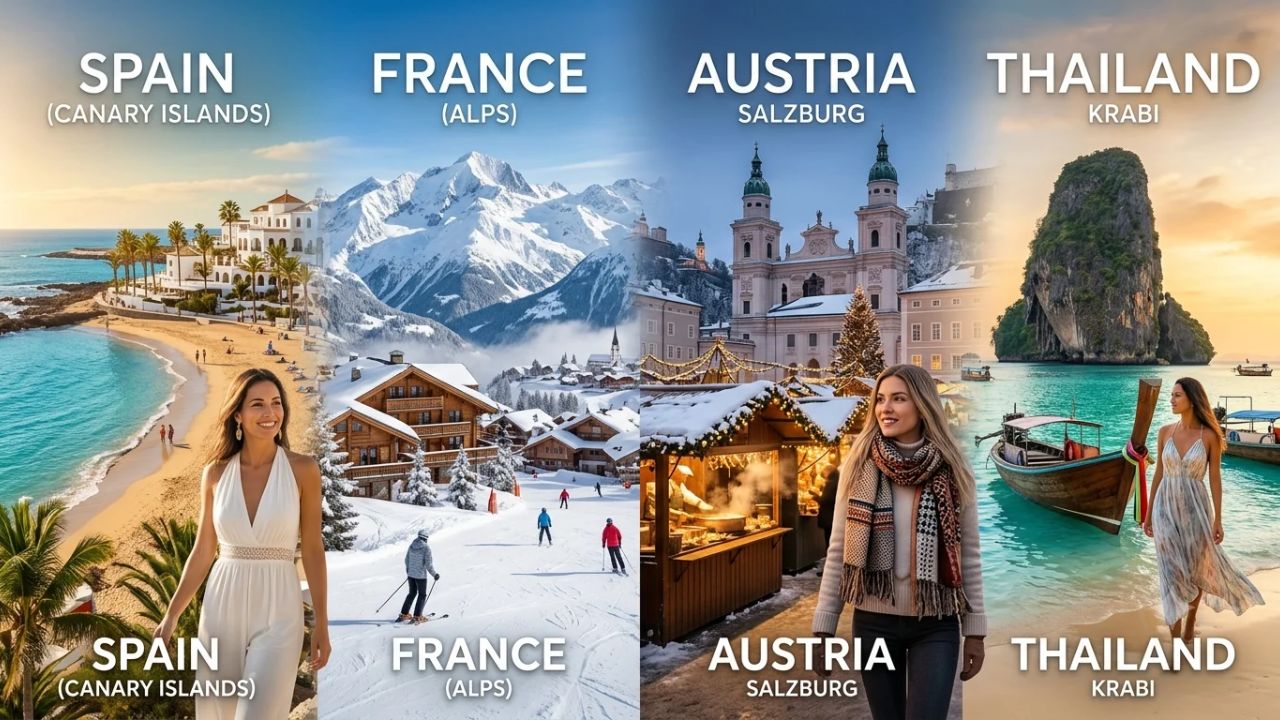
Image generated by AI
18 to 20 million estimated winter arrivals position Spain as the world's premier destination for seasonal migration, according to recent global tourism data. This surge indicates a fundamental transition in international travel patterns, where holidaymakers are increasingly abandoning traditional summer peaks in favor of winter escapes. The trend is bifurcated: one segment seeks sub-tropical warmth to avoid northern frosts, while the other pursues high-altitude alpine experiences.
The Geopolitics of Winter Migration
The dominance of Spain in the winter rankings is not accidental but a result of strategic geographical advantages. While much of the European continent faces freezing temperatures, the Canary Islands—specifically Tenerife and Gran Canaria—function as a critical warm-weather hub for the European Union. These islands provide stable sub-tropical climates that allow for outdoor activities and ocean swimming throughout January, ensuring that regional hospitality infrastructure operates at maximum capacity during what was historically considered a "slow" season.
On the mainland, cities such as Madrid, Barcelona, and Seville are seeing a rise in "shoulder-season" tourism. By shifting their visits to winter, travelers avoid the oppressive heat and extreme crowds of the summer months, allowing for more efficient urban exploration. This shift is supported by high-frequency aviation connectivity, which enables short-haul weekend trips from across Europe.
Global Winter Arrival Metrics 2026
The distribution of winter tourists reveals a clear preference for destinations that can guarantee either extreme snow or consistent sun. France and Austria leverage their mountain infrastructure, while Thailand capitalizes on its climactic window.
| Rank | Country | Primary Travel Type | Est. Winter Arrivals (Dec–Feb) | Key Regions & Destinations | Main Visitor Drivers |
|---|---|---|---|---|---|
| 1 | Spain | Warm-Weather / Sun Escape | 18–20 Million | Canary Islands, Andalusia, Madrid, Barcelona | Sub-tropical warmth, urban culture |
| 2 | France | Dual Snow & Urban | Millions (High) | French Alps (Chamonix, Val d’Isère), Paris | World-class skiing, festive city tourism |
| 3 | Austria | Winter Sports & Heritage | Millions (High) | Tyrol, Salzburg, Vienna | Alpine hospitality, Christmas markets |
| 4 | Thailand | Tropical Retreat | Millions (High) | Phuket, Koh Samui, Bangkok, Chiang Mai | Dry season climate, affordability |
Expert Analysis: The Economic Shift to Off-Peak Travel
For travelers booking these routes, the direct consequence of this surge is a tightening of availability and a potential increase in pricing for "off-peak" destinations. Historically, winter travel offered significant discounts; however, as Spain and Thailand reach record occupancy, the pricing pressure is beginning to mirror summer peaks.
The data suggests a "climate-hedge" strategy among global travelers. By diversifying their destinations—combining a Parisian cultural stay with an Alpine skiing trip via high-speed rail—tourists are maximizing the value of a single journey. For those heading to Thailand, the window from November to February is now a hyper-competitive market. Because this coincides with the kingdom's dry season, airlines have been forced to increase seasonal capacities to meet the demand of long-haul flights from North America and Europe.
From a regulatory perspective, the concentration of visitors in the Schengen Area during winter places immense pressure on border controls and visa processing. Travelers should monitor the Schengen Visa Info portal to account for potential delays caused by these record-breaking arrival numbers.
Key Takeaways
- Spain's Dominance: With up to 20 million arrivals, Spain is the global leader in winter tourism, driven largely by the Canary Islands and Andalusian cities.
- France's Dual Model: France maintains its second-place rank by successfully balancing high-altitude sports in the Alps with luxury urban tourism in Paris.
- Austria's Specialization: Austria remains the primary hub for winter sports enthusiasts, utilizing sustainable snowmaking technology to stabilize its economy against fluctuating snowfall.
- Thailand's Tropical Window: Thailand is the top Asian winter destination, leveraging its dry season (December–February) to attract long-haul travelers.
- Behavioral Shift: There is a documented move away from summer-centric travel toward winter-focused migrations, leading to record hotel bookings and expanded flight routes.
FAQ: Winter Global Travel 2026
Which European country is best for winter sun? Spain is the leading choice, particularly the Canary Islands (Tenerife and Gran Canaria), which offer sub-tropical temperatures and ocean swimming throughout the winter months.
When is the best time to visit Thailand in winter? The peak window is from December to February. This coincides with the dry season, offering low humidity and calm waters in Phuket and Koh Samui.
Are French ski resorts crowded in winter? Yes, areas like Chamonix and Val d’Isère see millions of visitors. High-speed rail connections from Paris often lead to high occupancy rates from December through April.
Why is Austria a top winter destination? Austria combines world-class skiing in Tyrol and Salzburg with imperial cultural experiences and traditional Christmas markets in Vienna.
The era of the "quiet" winter season has ended; the global map has shifted toward a year-round peak.
Related Travel Guides
This article is for informational purposes. Flight routes, passenger regulations, visa rules, and transit advisories are subject to change by airlines and aviation authorities. Readers are advised to verify schedules and travel documentation with relevant carriers and border agencies before departure.
Related Stories

Thailand Tourism 2026: Navigating New Visa Reforms and Secondary City Transit Logistics
Spain, France, Austria, and Thailand Top Global Winter Tourist Rankings as Seasonal Migration Surges