Ghana Travel Enters New Era As Tourism Authority Drives Digital Reset, Better Standards And Economic Growth

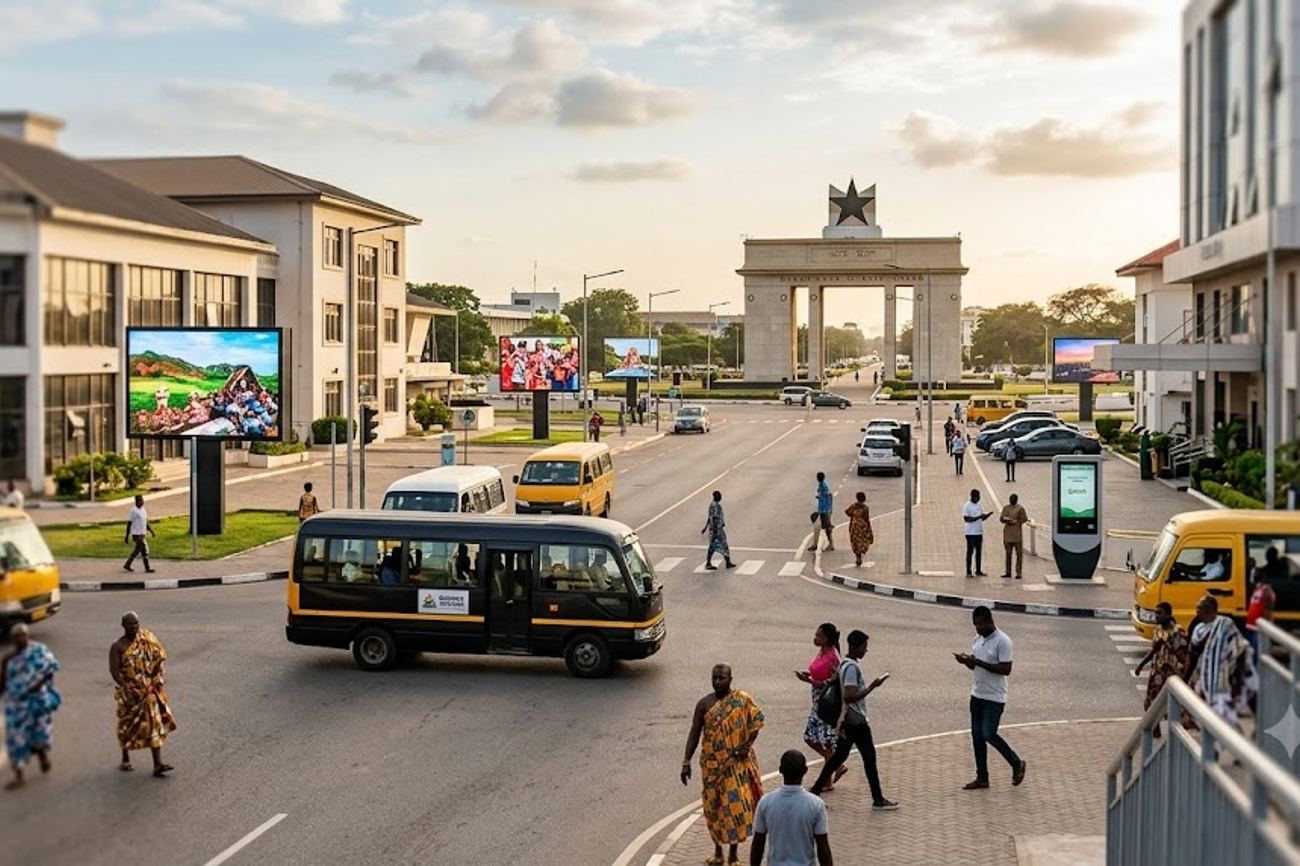
Image generated by AI
[Accra, May 2026] — The Ghana Tourism Authority (GTA) has launched the Ghana Tourism Information System (GTIS), a comprehensive digital overhaul designed to eliminate paper-based bureaucracy and modernize the regulation of the nation's travel sector.
The initiative, announced by GTA Chief Executive Officer Maame Efua Houadjeto during the 2026 Greater Accra Regional Tourism Awards, transitions the country's tourism management to a centralized digital platform. The "Black Star Experience" themed event served as the backdrop for the rollout of a system intended to synchronize licensing, registration, and data collection across all hospitality and travel services. By integrating these functions into a single ecosystem, the GTA intends to increase the economic yield per visitor and reduce the industry's reliance on international arrivals by stimulating domestic travel.
The Shift to GTIS Digital Infrastructure
The catalyst for this transformation is the replacement of legacy manual processes with the Ghana Tourism Information System (GTIS). This digital backbone is designed to serve as the primary interface between the Ghana Tourism Authority and the private sector. Historically, the registration and licensing of tourism operators involved significant administrative friction; the GTIS removes these bottlenecks by digitizing the entire lifecycle of business compliance.
Under the new framework, tourism operators no longer need to submit physical paperwork for basic regulatory requirements. The system integrates several critical business functions:
- Digital Licensing: Application and renewal processes for tourism permits are now handled online.
- Financial Integration: Tourism levy filings and payments are processed through the digital environment, reducing leakage and improving government revenue tracking.
- Verification Services: A public-facing registry allows travelers to verify the legal status of a business before booking.
- Operational Records: The GTA now maintains a real-time database of all registered establishments, from luxury hotels to boutique guesthouses.
This shift is not merely an administrative upgrade but a strategic move to improve transparency. By creating a verifiable digital trail for every registered operator, the GTA is attempting to purge the sector of unlicensed entities that may compromise visitor safety or service quality.
Affected Travelers, Airlines and Logistics by the Tourism Reset
The implementation of GTIS and the broader "tourism reset" impacts multiple stakeholders across the Ghanaian economy. The transition affects everyone from high-end resort owners to independent tour guides.
| Stakeholder Group | Primary Impact | Key Change |
|---|---|---|
| Tourism Operators | Regulatory Compliance | Shift from paper filings to digital levy payments and license renewals. |
| International Travelers | Consumer Confidence | Access to public verification services to ensure operators are GTA-certified. |
| Domestic Travelers | Accessibility | Increased promotion of local heritage sites and cultural festivals. |
| GTA Regulators | Data Management | Transition from counting "heads" to analyzing spending patterns and stay duration. |
| Local Communities | Economic Growth | Targeted strategies to direct tourist spending into rural and creative hubs. |
The GTA has specifically highlighted that hotels, hostels, guesthouses, and restaurants are under increased scrutiny. The authority is moving beyond the simple issuance of certificates, implementing a regime of consistent standards focusing on sanitation, safety, and service delivery. This is particularly critical for operators in the Greater Accra region, which remains the primary engine of the country's tourism growth.
Practical Traveler Advisory and Strategic Insights
For the average person booking a trip to Ghana, the "digital reset" translates into a safer, more transparent booking environment. The most immediate benefit is the ability to verify the legitimacy of a service provider. In a market where unregulated "fly-by-night" operators can pose a risk, the GTIS public verification service acts as a government-backed seal of approval.
Passenger and Visitor Impact:
- Reduced Fraud Risk: Travelers can cross-reference hotels and tour operators against the official GTA database, ensuring the business is licensed and compliant with national safety standards.
- Improved Service Consistency: Because the GTA is linking licensing to strict quality standards (sanitation and service delivery), visitors can expect a more uniform experience across different accommodation tiers.
The Ghana Tourism Authority is driving a digital reset to enhance the country's tourism industry, with a focus on improving standards and promoting economic growth. As part of this initiative, the authority is working to streamline passenger logistics and provide a more seamless experience for visitors, who can find more information on travel requirements and regulations on the Ghana Immigration Service website. This effort is expected to boost tourism revenue and create new opportunities for local businesses. 3. Better Local Discovery: The push for domestic tourism is resulting in better-mapped and better-promoted hidden gems, cultural festivals, and coastal destinations that were previously overlooked by international marketing. 4. Streamlined Logistics: As the industry digitizes, the friction associated with booking and paying for registered services is expected to decrease.
Data-Driven Growth and Future Planning
The GTA is fundamentally changing how it measures success. The previous metric of "visitor volume"—simply counting how many people enter the country—is being replaced by "economic value." By leveraging the data harvested through GTIS, the World Tourism Organization (UNWTO) standards of data-driven planning are being mirrored in Ghana's approach.
The authority is now tracking specific data points to refine its policy:
- Average Length of Stay: Analyzing how to encourage visitors to remain in the country longer.
- Spending Patterns: Identifying which sectors (e.g., creative arts, coastal tourism, historical sites) are underperforming.
- Geographic Distribution: Tracking where visitors go to ensure economic benefits reach beyond the capital city of Accra.
This intelligence allows the GTA to develop targeted strategies. For example, if data shows a high volume of visitors but low spending in specific regions, the government can incentivize the development of new luxury amenities or curated experiences in those areas to capture more value.
Furthermore, the emphasis on domestic tourism is a hedge against global volatility. By encouraging Ghanaians to explore their own heritage, the GTA is creating a sustainable revenue stream that does not fluctuate based on international flight trends or global economic downturns. This domestic focus is expected to drive further investment in infrastructure—such as roads and regional airports—that benefits both locals and foreigners.
FAQ: Ghana Tourism Digitalization 2026
How do I know if a Ghanaian tour operator is legitimate? Travelers can now use the Ghana Tourism Information System (GTIS) public verification service. By searching the digital registry, you can confirm if a business is officially registered and licensed by the Ghana Tourism Authority.
Will this digital shift increase the cost of tourism services? The GTA aims to reduce administrative costs for businesses by eliminating paper-based processes. While higher quality standards may lead some operators to adjust pricing, the overall goal is to increase the value and reliability of the experience.
What is the "Black Star Experience"? It is the thematic framework for Ghana's tourism reset, focusing on excellence "beyond borders." It emphasizes high standards in hospitality, the celebration of Ghanaian culture, and a modernized approach to welcoming global visitors.
Does this affect only international tourists? No. A primary pillar of the 2026 reset is the stimulation of domestic tourism. The GTA is actively creating incentives and promotions to encourage Ghanaian citizens to visit local landmarks and cultural sites.
Ghana is trading its ledger books for algorithms to ensure the Black Star shines brighter on the global stage.
Tags: Ghana Tourism Authority, GTIS, Accra Tourism 2026, Ghana Hospitality Standards, West Africa Travel Tech, Domestic Tourism Ghana
Related Travel Guides
- Vietnam-China Cultural Celebration Brings Travellers Closer Through a Magical 2026 Mid-Autumn Festival Experience
- Malta Overtakes Estonia and More in the Race for EU Commercial Flight Growth as Travel Demand Hits Records
- Germany and Greece Lead Europe Travel Shift as Coolcations and Emerging Destinations Gain Momentum
This article is for informational purposes. Flight routes, passenger regulations, visa rules, and transit advisories are subject to change by airlines and aviation authorities. Readers are advised to verify schedules and travel documentation with relevant carriers and border agencies before departure.
Related Stories

Zen Awakening Festival 2026: Florida's Transformational Music, Mindfulness, and Arts Gathering in Fruitland Park

12 Underrated Cities in China That International Travelers Are Starting to Discover