Germany and Greece Lead Europe Travel Shift as Coolcations and Emerging Destinations Gain Momentum


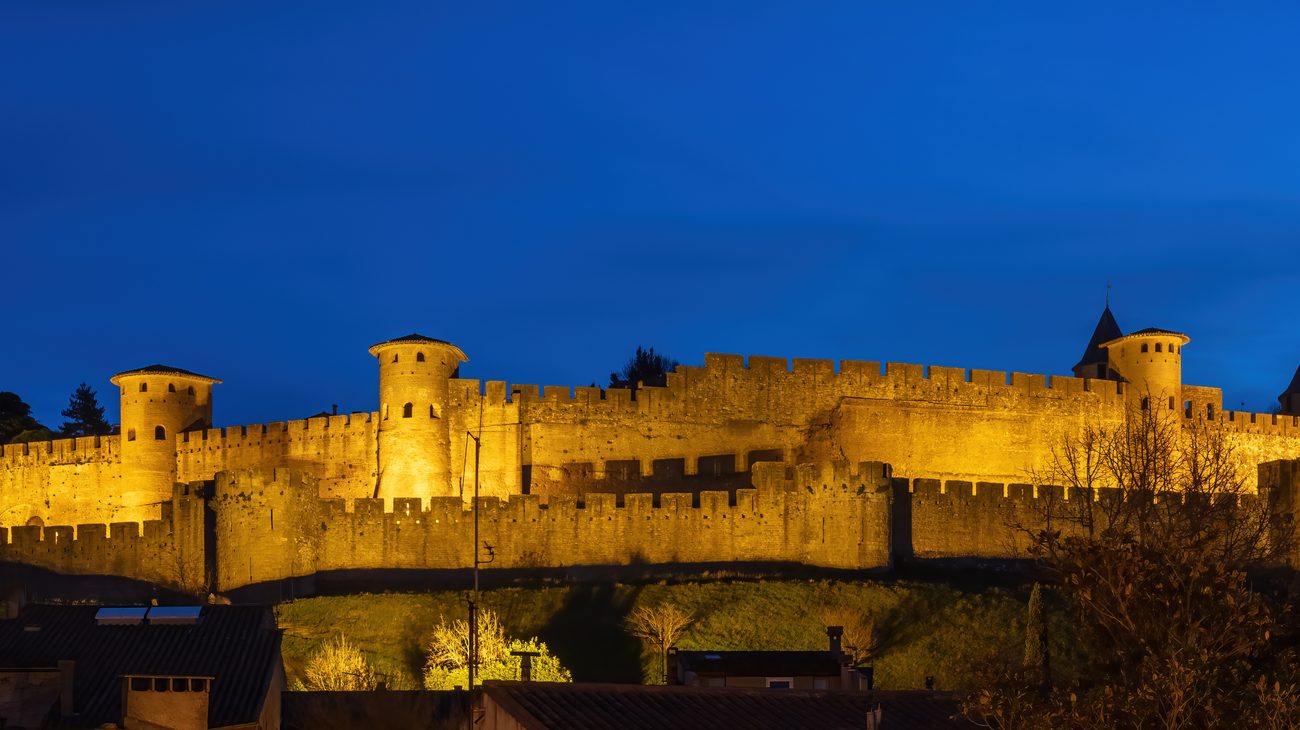
Image generated by AI
Imagine landing in Athens during a 2026 summer heatwave, only to find that the traditional coastal resorts are overflowing while the local economy is struggling with a paradoxical drop in average visitor spending. For the modern traveler, the European map is being redrawn in real-time, shifting away from the scorched Mediterranean shores toward the misty peaks of the Alps and the untapped forests of Central Europe.
The 2026 European Tourism Pivot: Climate-Driven Migration
The European travel sector is currently undergoing a structural transformation driven by environmental necessity and changing psychological preferences. Throughout the first half of 2026, international arrivals across the continent showed an overall upward trajectory. However, this growth is not evenly distributed. A significant portion of Western Europe has faced extreme thermal stress, leading to a measurable decline in interest for traditional sun-and-sand destinations during the peak summer months.
This has given rise to the "coolcation" phenomenon. Rather than enduring oppressive heat, travelers are intentionally seeking out destinations with milder climates that facilitate outdoor physical activity and wellness. This is not merely a trend but a strategic shift in how passengers plan their annual leave, moving away from static beach holidays toward active, nature-based exploration.
The shift is most evident in the surge of interest in Germany’s Black Forest and the Mont Blanc region. These areas have transitioned from secondary seasonal destinations to primary summer hotspots. Travelers are prioritizing hiking, scenic rail travel, and rural tourism over the traditional luxury resort model. This migration is a direct response to the volatility of European summers, where extreme heatwaves have made traditional southern hubs less viable for those seeking comfort and health.
Emerging Destinations and Market Dynamics
While the "coolcation" trend favors the north, a different set of dynamics is playing out in Eastern and Southern Europe. Several nations are experiencing a surge in arrivals as travelers seek authenticity and fewer crowds.
- Moldova: Now gaining traction as a hub for cultural authenticity and traditional experiences, appealing to the "anti-tourism" movement.
- Ireland: Seeing sustained growth driven by its heritage sites and rugged landscapes, fitting the profile of the nature-centric traveler.
- Greece: Continuing to record high visitor volumes due to its timeless appeal, though it faces a specific economic challenge. Provisional 2026 data indicates that while the number of arrivals is climbing, the average expenditure per visitor is decreasing. This suggests a shift toward budget-conscious travel or shorter stays.
- Albania and Cyprus: These nations are emerging as "welcoming alternatives." Albania, in particular, is seeing a spike in adventure travel and coastal visits as an alternative to the more expensive and crowded Adriatic or Mediterranean coasts.
Your Rights as a Passenger in a Shifting Market
As tourism patterns shift rapidly, airlines often struggle to adjust capacity. This leads to sudden flight cancellations or schedule changes on routes to emerging destinations like Tirana (TIA) or Chisinau (KIV), or surges in demand for flights to Munich (MUC) and Geneva (GVA). Depending on your route and the airline's origin, you are protected by several legal frameworks.
EU Regulation 261/2004 (and UK equivalent) If you are flying from an airport located in an EU/UK member state, or arriving in the EU/UK on an EU/UK-based carrier, you are entitled to significant protections:
- Cancellations: If your flight is cancelled with less than 14 days' notice, you may be entitled to compensation between €250 and €600, depending on the flight distance, unless the cancellation was caused by "extraordinary circumstances" (such as extreme weather events causing airport closures).
- Long Delays: For delays exceeding three hours at your final destination, you can claim the same compensation tiers as cancellations.
- Duty of Care: Regardless of the reason for the delay, the airline must provide meals, refreshments, and hotel accommodation if an overnight stay is required.
US Department of Transportation (DOT) Rules For passengers traveling to or from the United States to these European destinations:
- Refunds: Under recent DOT mandates, if your flight is significantly changed or cancelled and you choose not to travel on the alternative offered, you are entitled to a full refund to the original form of payment—not just a travel voucher.
- Tarmac Delays: Strict rules apply to how long you can be held on a plane before it must return to the gate.
To track your specific flight status in real-time and avoid surprises at the airport, utilize FlightRadar24 or FlightAware. If you believe you are owed compensation for a disruption on a route to these emerging destinations, you can consult the UK CAA guidelines or use a specialist claim service like AirHelp.
Rebooking Strategy and Alternatives
When a disruption hits a route to a "coolcation" or emerging destination, the lack of high-frequency flight options can make rebooking difficult. Here is the professional strategy for navigating these disruptions:
1. The "Hub-and-Spoke" Pivot If your direct flight to a destination like Moldova or Albania is cancelled, do not wait for the airline to offer the next direct flight, which could be days away. Instead, request a rebooking to a major regional hub. For example:
- For Albania: Fly into Corfu (CFU) in Greece and take a short ferry or bus to Albania.
- For Moldova: Fly into Bucharest (OTP) in Romania and utilize ground transport.
- For the Black Forest: Fly into Zurich (ZRH) or Basel (BSL) instead of Frankfurt (FRA) or Munich (MUC).
2. Competitor Leverage In the event of a cancellation, check for "interlining" options. If your primary carrier cannot get you to your destination within a reasonable timeframe, ask them to rebook you on a competitor. Under EU261, the airline is obligated to get you to your destination at the "earliest opportunity."
3. Refund vs. Rebooking If you are traveling to a high-demand area like Mont Blanc during a peak coolcation window, hotels are likely non-refundable. In this case, prioritize rebooking over a refund. However, if the airline offers a voucher, remember that under US DOT rules, you are often entitled to cash if the flight is cancelled.
FAQ: Europe Tourism Shift 2026
Am I entitled to compensation if my flight to a "coolcation" spot is cancelled due to a heatwave? Generally, no. Extreme weather is typically classified as an "extraordinary circumstance." However, the airline must still provide a "duty of care," including food, water, and hotel accommodation while you wait for a replacement flight.
Can I get a full refund if my flight to Greece or Albania is significantly delayed? Yes. If the delay is significant and you choose not to travel, you are entitled to a full refund. In the EU, this is part of your right to choose between reimbursement or re-routing.
What are the best alternative routes for the Black Forest if flights to Frankfurt are grounded? Consider flying into Zurich (ZRH) or Stuttgart (STR). Both airports provide excellent rail and road links into the Black Forest region, often bypassing the congestion of Germany's largest hubs.
Is the "coolcation" trend affecting flight prices to Northern Europe? Yes. Increased demand for destinations like Mont Blanc and the Black Forest during traditional summer months is leading to higher ticket prices and lower seat availability. Booking 4-6 months in advance is now recommended for these routes.
Stay agile, know your legal standing, and remember that the map of Europe is now defined by temperature as much as by geography.
Related Travel Guides
- Tanzania Introduces Mandatory Forty Four US Dollars Travel Insurance Rule for Foreign Visitors From 2026
- Seoul Outpaces Paris, Bangkok and More Global Cities Where Renting Could Cost Far Less Than Buying a Home
- North Carolina Joins Virginia, Maryland, Delaware and More US States Now Trembling with Late September Nor’easter Coastal Floodings and Rains
This article is for informational purposes. Flight routes, passenger regulations, visa rules, and transit advisories are subject to change by airlines and aviation authorities. Readers are advised to verify schedules and travel documentation with relevant carriers and border agencies before departure.
Related Stories

Zen Awakening Festival 2026: Florida's Transformational Music, Mindfulness, and Arts Gathering in Fruitland Park

12 Underrated Cities in China That International Travelers Are Starting to Discover