Vietnam-China Cultural Celebration Brings Travellers Closer Through a Magical 2026 Mid-Autumn Festival Experience

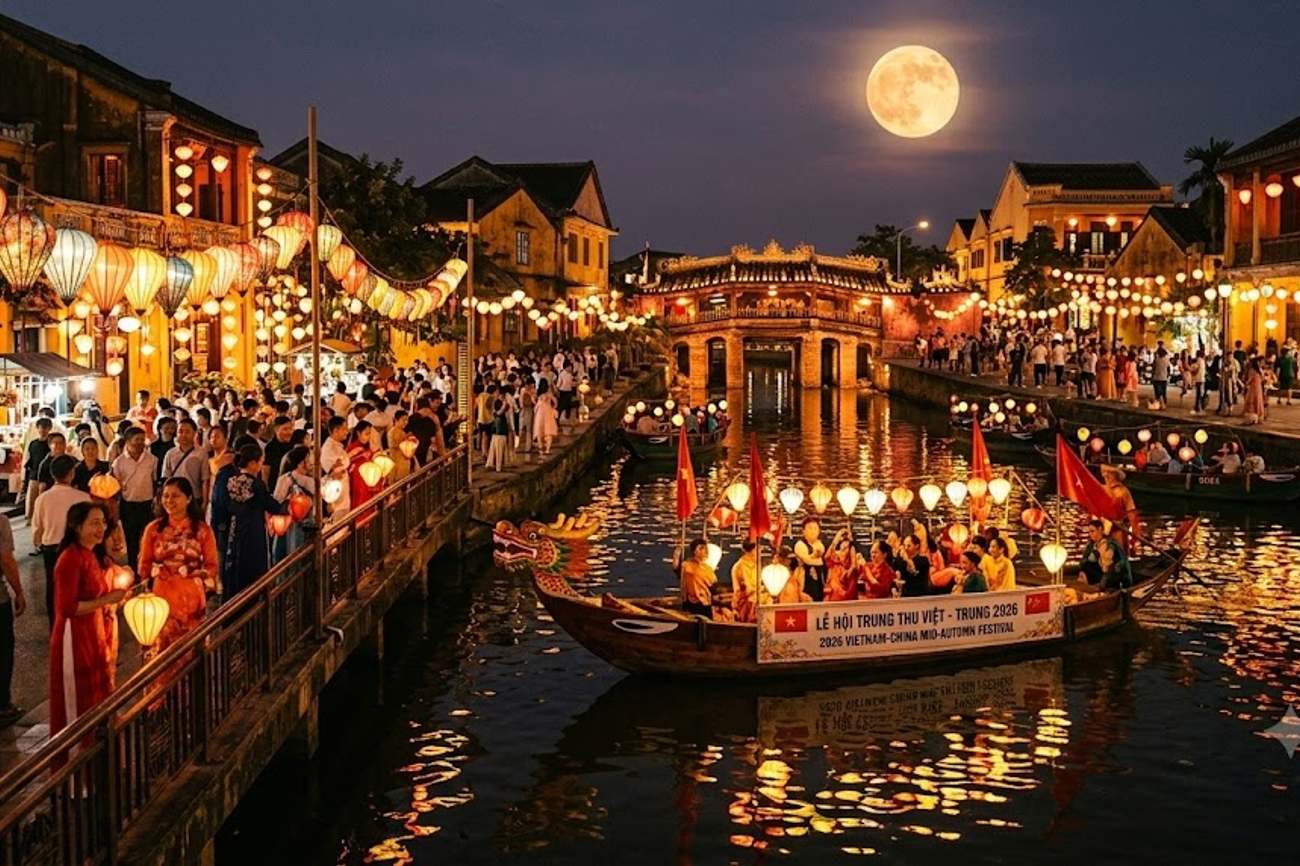
Image generated by AI
2026 and 2027 have been officially designated as the Year of China-Vietnam Tourism Cooperation, a strategic pivot intended to institutionalize cross-border travel and cultural exchange. This diplomatic framework, unveiled during a high-profile Mid-Autumn Festival celebration in Hanoi, signals a move beyond casual tourism toward a structured, state-backed effort to synchronize the travel industries of two of Asia's most populous nations.
The Hanoi Summit and the Yunnan Connection
The catalyst for this renewed cooperation was a cultural program hosted at the Ho Guom Opera House in Hanoi. This was not a standalone festival but a calculated diplomatic exercise jointly organized by the Chinese Embassy in Vietnam and the Publicity Department of the Communist Party of China’s Yunnan Provincial Committee. The timing is precise, following a high-level leadership visit by Vietnamese officials to China in April 2026, which established the strategic mandate for expanding bilateral ties.
The focus on Yunnan province is particularly telling. As a border region, Yunnan serves as the primary logistical and cultural gateway between the two nations. By centering the photography exhibitions and tourism showcases on the Vietnam-Yunnan corridor, the organizers are highlighting a specific geographic artery for travel. This suggests that the 2026-2027 initiative will likely prioritize land-based tourism and regional connectivity over purely aviation-led growth, leveraging the shared landscapes and ethnic heritage of the border provinces.
Data Breakdown: The Mid-Autumn Framework
While the event focused on the "soft power" of arts and music, the underlying objective is the "hard" metric of tourism growth. The celebration utilized the Mid-Autumn Festival—a symbol of reunion—as a metaphor for the reintegration of travel flows.
| Initiative Component | Detail | Strategic Objective |
|---|---|---|
| Designation Period | 2026-2027 | Establish a multi-year window for tourism growth |
| Primary Venue | Ho Guom Opera House, Hanoi | High-visibility urban center for cultural diplomacy |
| Key Regional Partner | Yunnan Provincial Committee | Strengthen cross-border land travel and regional ties |
| Diplomatic Trigger | April 2026 Leadership Visit | Align tourism goals with national geopolitical strategies |
| Engagement Tools | Photography, Handicrafts, Fairs | Transition passive observers into active travelers |
The program integrated immersive elements designed to lower the barrier to entry for travelers. By incorporating conical-hat painting and traditional handicraft creation, the event moved from a performance-based model to an experiential one. This shift mirrors a global trend in the World Tourism Organization (UN Tourism) guidelines, where "creative tourism" is used to increase the average length of stay and spend per visitor.
Expert Analysis: The Geopolitics of "Cultural Bridges"
For the seasoned traveler or the digital nomad operating in Southeast Asia, the designation of 2026-2027 as the Year of China-Vietnam Tourism Cooperation is more than a celebratory gesture; it is a signal of regulatory easing and market expansion. When two governments align their tourism calendars so explicitly, the direct consequence is typically a streamlining of visa processes, increased flight frequencies, and the expansion of cross-border transport infrastructure.
The pricing pressure this creates is significant. As China seeks to export its tourism demand and Vietnam aims to diversify its arrivals beyond Western markets, we can expect a surge in competitive tour packaging. The focus on "people-to-people exchanges" is often code for increasing the volume of middle-class travelers who seek "heritage" experiences. For the independent traveler, this means that while popular sites in Hanoi and Yunnan may see increased crowding, the infrastructure—roads, signage, and digital payment integration—will likely improve rapidly.
Furthermore, the emphasis on the Yunnan province indicates a push toward the "Belt and Road" style of connectivity. Travelers booking routes between Kunming and Hanoi should anticipate a more integrated rail or road experience. The strategic alignment seen in April 2026 suggests that the legal frameworks for tour operators will be synchronized, reducing the friction of multi-country itineraries. The risk, however, is the "commodification" of the Mid-Autumn experience, where authentic cultural exchange is replaced by curated, state-approved tourism circuits.
The Vietnam-China Cultural Celebration during the 2026 Mid-Autumn Festival is expected to draw large crowds, with travellers from both countries flocking to experience the vibrant festivities. For the latest information on travel requirements and regulations, visitors can check the official website of the Vietnam National Administration of Tourism for updates. This will ensure a smooth and enjoyable journey for all participants.
Key Takeaways
- Strategic Window: The years 2026 and 2027 are now the official window for intensified China-Vietnam tourism cooperation, likely leading to easier visa access and more flight options.
- Regional Focus: Yunnan province is the primary Chinese partner in this initiative, marking it as the key hub for land-based travel into Vietnam.
- Diplomatic Alignment: The initiative is the direct result of a high-level leadership summit held in April 2026, ensuring government-level support for tourism projects.
- Experiential Shift: There is a clear move toward "creative tourism" (handicrafts, interactive fairs) to attract younger demographics and increase visitor engagement.
- Logistical Impact: Travelers can expect improved connectivity between Hanoi and Yunnan, driven by the International Air Transport Association (IATA) standards for regional growth.
FAQ: Vietnam-China Tourism 2026
Will visas be easier to get for the 2026-2027 Year of Cooperation? While not explicitly stated, "tourism cooperation" usually involves streamlining entry requirements. Travelers should monitor official embassy announcements for new visa-waiver programs or simplified e-visa processes between Vietnam and China.
What is the best way to travel between Yunnan and Vietnam? Given the focus on the Yunnan Provincial Committee, land-based travel via rail or coach is being heavily promoted. Kunming remains the primary gateway for those entering Vietnam from China.
Are there specific events to attend during the Mid-Autumn Festival in Hanoi? Yes, the Ho Guom Opera House and surrounding areas typically host fairs, photography exhibitions, and cultural performances that showcase the shared heritage of both nations.
Is this initiative only for luxury travelers? No. The focus on "people-to-people exchanges" and "children's choirs" suggests a broad target audience, including families, students, and budget-conscious cultural explorers.
When diplomacy moves from the boardroom to the opera house, the traveler is usually the one who benefits from the open door.
Tags: Vietnam-China Tourism 2026, Yunnan Tourism, Mid-Autumn Festival Hanoi, Ho Guom Opera House, China-Vietnam Diplomatic Relations
Related Travel Guides
- Malta Overtakes Estonia and More in the Race for EU Commercial Flight Growth as Travel Demand Hits Records
- Germany and Greece Lead Europe Travel Shift as Coolcations and Emerging Destinations Gain Momentum
- Tanzania Introduces Mandatory Forty Four US Dollars Travel Insurance Rule for Foreign Visitors From 2026
This article is for informational purposes. Flight routes, passenger regulations, visa rules, and transit advisories are subject to change by airlines and aviation authorities. Readers are advised to verify schedules and travel documentation with relevant carriers and border agencies before departure.
Related Stories
Zen Awakening Festival 2026: Florida's Transformational Music, Mindfulness, and Arts Gathering in Fruitland Park
12 Underrated Cities in China That International Travelers Are Starting to Discover