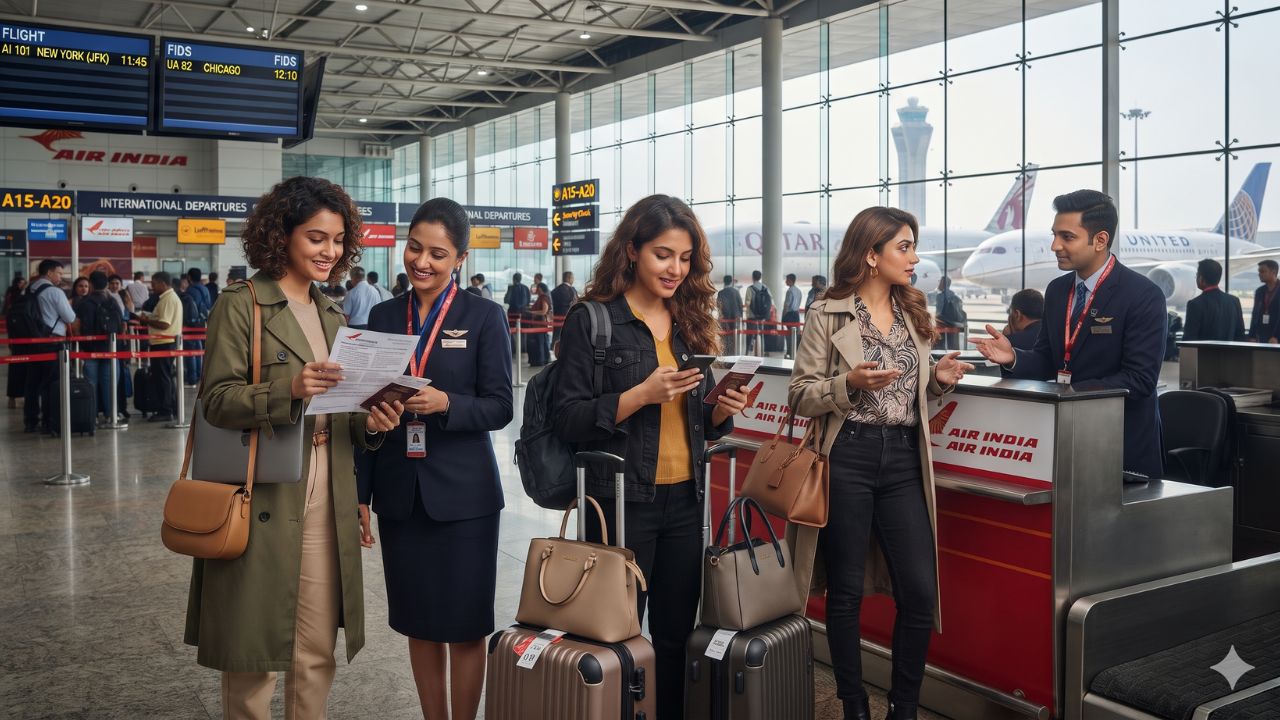
US City Breaks Face High Transit Demand from Gen Z Travel Surge


Image generated by AI
A sharp increase in youth leisure bookings has strained regional transit corridors, with heavy US city break travel congestion impacting major transport hubs in New York, Miami, and Los Angeles.
A major influx of young travelers has placed pressure on the domestic transportation network, with US city break travel congestion levels climbing. Market surveys indicate that 44 percent of Gen Z respondents are considering trips to New York, while 41 percent are prioritizing Miami. The rapid growth in leisure travel also impacts Los Angeles, creating localized traffic and flight delays across the three primary coastal entry gateways.
Regional Transit and Sourcing Bottlenecks
The generational demand shift has highlighted distinct operational pressures across urban transit networks:
- New York Transit: The MTA subway system (managing 472 stations on 25 routes) operates continuously but experiences heavy peak-hour crowding near Broadway and Midtown stations.
- Miami Division: Visitors face high fees when crossing between the mainland and Miami Beach, requiring reliance on the Metrorail, Metrobus, and the free Metromover.
- Los Angeles Dispersion: The city's spread-out layout forces travelers to group visits by neighborhood (such as Hollywood, Downtown, and Venice Beach) to avoid long drives on congested highways.
- Hidden Costs: Young travelers are advised to compare resort fees, parking surcharges, and destination taxes before booking urban hotels.
The table below summarizes the key transit characteristics of the three leading Gen Z hubs:
Transit Features and Generation Demand Signals in Key US Cities 2026
| Target City Hub | Gen Z Consideration Share | Primary Public Transit System | Sourcing Priority / Attraction | Key Operational Congestion Risk |
|---|---|---|---|---|
| New York City | 44 percent | MTA Subway (472 stations / 25 routes) | Times Square & Broadway | Peak-hour subway bottlenecks |
| Miami | 41 percent | Metrorail & Free Metromover | Art Deco District (800 buildings) | High tolls & beach parking fees |
| Los Angeles | High platform demand | Metro Rail & Bus Network | Griffith Observatory & Getty Center | Long highway travel times |
Passenger Rights & Advisory (Information Gain & Experience)
When traveling during peak-demand periods to major US cities, travelers are protected under US Department of Transportation (DOT) consumer rules:
Flight Overbooking & Involuntary Bumping
Due to high passenger volumes, airlines often overbook flights to New York (JFK/LGA), Miami (MIA), and Los Angeles (LAX). If you are bumped involuntarily:
- Denied Boarding Compensation (DBC): The airline must pay you compensation in cash or check on the spot, rather than travel vouchers.
- Compensation Limits: If the airline rearranges your flight and you arrive at your destination between 1 and 2 hours late (domestic), you are entitled to 200% of the one-way fare (up to $775). If you arrive over 2 hours late, you are entitled to 400% of the fare (up to $1,550).
DOT Cash Refund Rules
- Cancellations: If an airline cancels a flight for any reason and the passenger chooses not to travel on a rescheduled flight, the carrier must issue a full cash refund to the original form of payment.
- Significant Delays: The refund mandate also applies to domestic flight delays of three hours or more if the passenger chooses to cancel the ticket.
Industry Outlook
Our analysis indicates that US urban destinations will continue to see high visitor numbers from Gen Z. As travelers shift their spending toward experiential dining and live events, airlines and airports must prepare for higher passenger loads during concerts, festivals, and holiday weekends.
Furthermore, market trends suggest that cities that offer integrated public transit options will gain a competitive edge. Younger travelers prefer to avoid car rentals, making destinations with walkable neighborhoods, free downtown shuttles, and reliable rail connections more appealing.
Related: Brazil Airport Disruptions Trigger 174 Flight Delays and 43 Cancellations
Related: Mexico Airport Disruptions Trigger 129 Flight Delays and 14 Cancellations
Related: US Flight Cancellations Exceed 1,600 Amid FAA Staffing and Storms
This article is for informational purposes. Flight routes, passenger regulations, visa rules, and transit advisories are subject to change by airlines and aviation authorities. Readers are advised to verify schedules and travel documentation with relevant carriers and border agencies before departure.
Related Stories
US Autumn Travel Alert: Dangerous Surf, Dense Fog, and Mountain Snow Threaten Tourist Routes
European Flight Bomb Threats Trigger Seven Emergency Landings and Diversions: Ryanair, LOT, and Wizz Air Security Guide 2026