
France Spain and Italy Wildfire Crisis 2026: Mass Evacuations and Rail Disruptions Hit Mediterranean Tourism
Severe wildfires across France, Spain, and Italy have triggered mass evacuations and transport chaos, with 32,000 hectares burned in Guadalajara alone, impacting summer travel across Southern Europe.

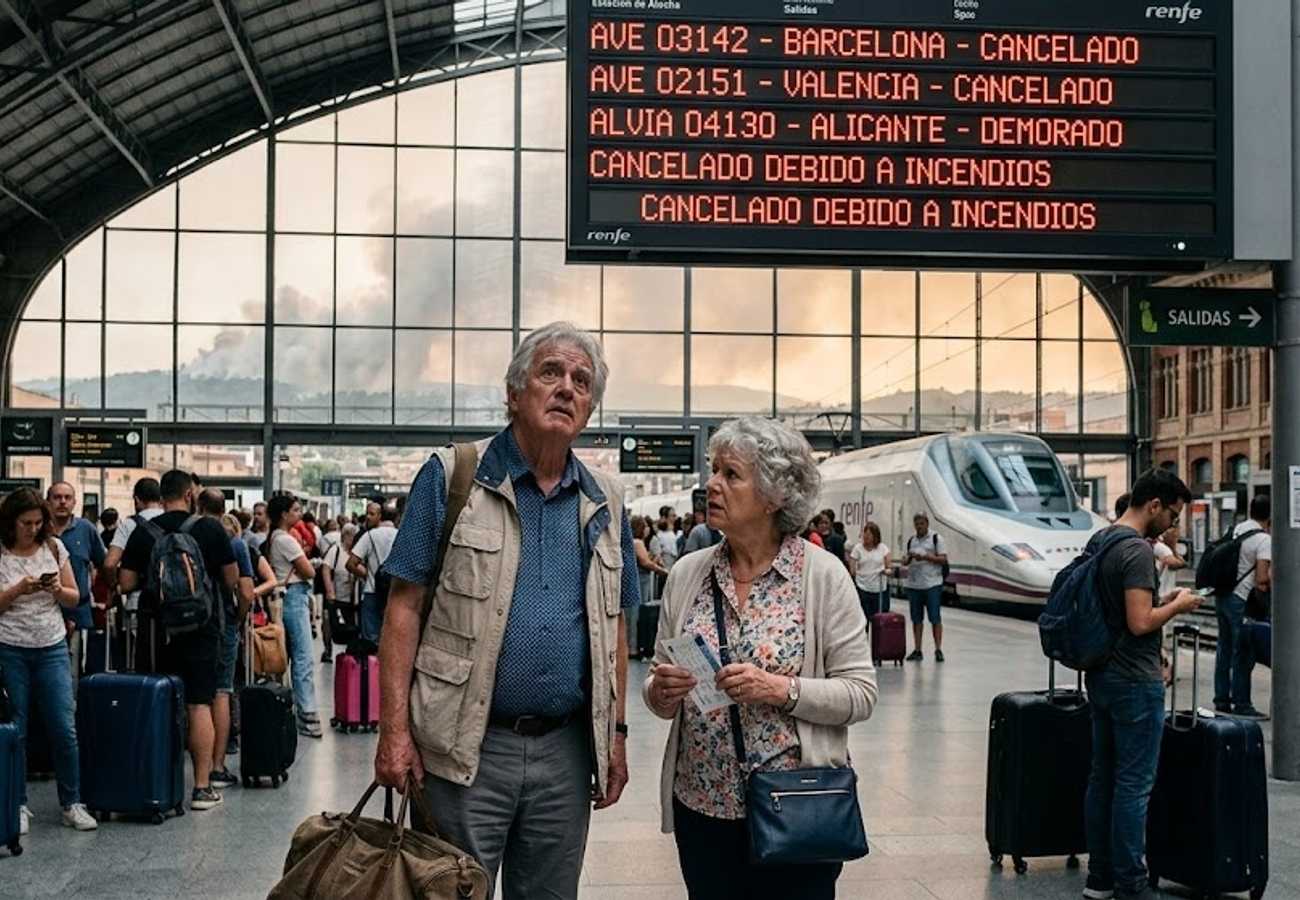
Image generated by AI
Extreme heat and strong winds have triggered a severe wildfire crisis across Southern Europe, resulting in mass evacuations, restricted road access, and significant interruptions to rail and local transport services.
The crisis is concentrated in France, Spain, and Italy, where dry vegetation and record-breaking temperatures have fueled rapid fire spread. While international gateways remain operational, regional mobility is severely constrained.
The Disruption Details
The current wildfire surge is part of a broader 2026 trend where Europe has recorded more burned land than the annual average of the previous two decades. The impact is most acute in rural settlements, coastal communities, and popular summer campsites.
In Spain, the situation is particularly critical in the Guadalajara region of central Spain. A massive blaze has incinerated approximately 32,000 hectares, marking one of the largest fires in recent history for the country. Total burned area across Spain in 2026 has already reached approximately 100,000 hectares, matching the ten-year annual average before the peak fire season has even concluded.
Flight and Airport Impact Breakdown
While major hubs like Madrid-Barajas have not closed, the "last-mile" connectivity to holiday destinations is heavily compromised.
- Regional Access: Severe restrictions on roads northeast of Madrid due to the Guadalajara blaze.
- Air Quality: Flight tracking and local meteorological data indicate heavy smoke plumes that may affect visibility for regional charters and private aviation.
- Ground Transport: Rail lines and local roads are being closed without notice to allow the movement of emergency firefighting vehicles.
- Hospitality Closures: Widespread closures of hiking trails, forest parks, and rural accommodations in affected zones of France, Spain, and Italy.
- Emergency Response: Over 200 firefighters, supported by aircraft and specialized vehicles, are currently deployed in the Guadalajara sector.
Passenger Rights & Advisory (Information Gain)
Travelers facing cancellations or forced evacuations should be aware of their legal protections and operational rights.
Rebooking and Refunds Under EU Regulation 261/2004, passengers are entitled to care and assistance if their flight is cancelled or significantly delayed. However, wildfires are typically classified as "extraordinary circumstances," meaning airlines are generally not required to pay monetary compensation for the delay itself. They are, however, still obligated to provide:
- A choice between a full refund or rerouting to the final destination.
- Duty of care, including meals, refreshments, and hotel accommodation if an overnight stay becomes necessary.
Insurance and Curtailment Passengers should immediately review their travel insurance policies for "Trip Curtailment" or "Travel Interruption" clauses. If an official evacuation order is issued for your hotel or rental, you may be eligible to claim for the unused portion of your trip.
Immediate Safety Actions
- Emergency Alerts: Enable government emergency warnings on mobile devices.
- Health Precautions: Travelers with asthma or heart conditions should limit outdoor exertion due to poor air quality and heavy smoke.
- Documentation: Keep passports, medications, and essential documents in a "go-bag" for immediate evacuation.
Industry Analyst View
The 2026 Mediterranean season highlights a systemic vulnerability in European tourism infrastructure. The shift from localized fires to regional crises suggests that "climate-driven disruption" is no longer an outlier but a seasonal operational reality.
Carriers and tour operators are now facing a landscape where traditional itineraries are rendered obsolete by rapid wind shifts. The reliance on regional road networks for airport transfers is a critical failure point; as seen in Guadalajara, the closure of a few key arteries can effectively strand thousands of passengers even if the airport itself remains open. Operators must shift toward more flexible, real-time routing and diversified transport modalities to maintain resilience.
Vigilance is mandatory; safety instructions must supersede all travel itineraries in active fire zones.
Related Travel Guides
Disclaimer
This article is for informational and educational purposes only. It does not constitute legal, financial, or professional advice. While we strive to provide accurate and up-to-date information, travel policies, regulations, and conditions change rapidly. Always verify information with official sources before making travel decisions. Nomad Lawyer makes no representations about the accuracy, reliability, completeness, or suitability of the information provided. Readers should consult qualified professionals for advice specific to their circumstances. The views expressed in this article are those of the author and do not necessarily reflect the views of Nomad Lawyer.
Preeti Gunjan
Contributor & Community Manager
A passionate traveller and community builder. Preeti helps grow the Nomad Lawyer community, fostering engagement and bringing the reader experience to life.
Learn more about our team →