
Entry-Exit System Strands 100+ Passengers: EU Border Chaos in 2026
Europe's new entry-exit system causes unprecedented airport chaos, stranding over 100 non-EU travelers at Milan and Marseille airports during peak spring season, raising urgent concerns for summer travel ahead.

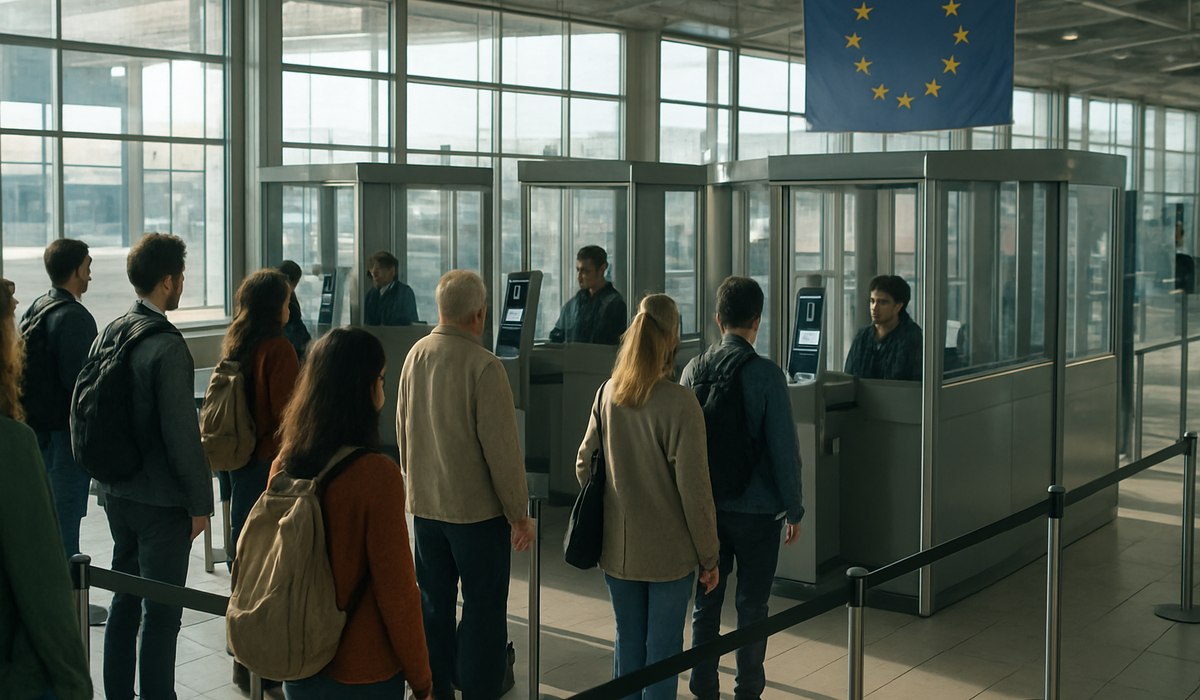
Image generated by AI
EU's New Entry-Exit System Strands Over 100 Travelers Across European Airports
Europe's ambitious biometric entry-exit system is creating severe disruptions at major airports, with more than 100 non-EU passengers left stranded at Milan Linate and Marseille Provence airports in recent days. The automated border control initiative, designed to enhance security and track visitor movements across Schengen member states, has instead triggered processing bottlenecks, extended queues, and missed flights during the critical pre-summer travel period. Authorities and aviation stakeholders are now demanding urgent operational adjustments to prevent further chaos during peak season.
The entry-exit system represents a fundamental shift in how European borders process third-country nationals. Rather than traditional manual passport stamping, the system captures fingerprints, facial biometrics, and comprehensive travel histories in a centralized database. While security objectives are sound, real-world implementation has exposed critical infrastructure gaps and staffing shortages at busy international terminals.
Missed Flights in Milan and Marseille Highlight Early Strains
The disruptions at Italy's busiest Schengen gateway reveal how fragile airport operations become when new processing layers overwhelm existing capacity. At Milan Linate Airport, a Manchester-bound flight departed with more than 100 non-EU passengers still queued at biometric border control stations. Passengers reported waiting two to three hours for fingerprint and facial recognition processing, missing their scheduled departure despite arriving on time.
In a parallel incident, Marseille Provence Airport stranded 83 passengers on a Marrakesh service. Bottlenecks at entry-exit system kiosks created cascading delays that disrupted aircraft turnaround schedules and forced airlines to depart without waiting passengers. Both airports serve millions of annual passengers and represent critical Schengen entry points during spring and summer peaks.
These aren't isolated incidents but part of a broader pattern. The entry-exit system has coincided with systematic delays at major European hubs. Industry reports document technical glitches, slow biometric enrollment processes, and insufficient kiosk infrastructure at terminals designed decades before such requirements existed. Each additional processing minute, multiplied across hundreds of daily passengers, produces queues exceeding normal capacity.
From Security Upgrade to Passenger Bottleneck
The entry-exit system emerged from legitimate security concerns. The EU sought to strengthen border surveillance, prevent overstays, and create consistent entry records across the Schengen Area. On paper, automated biometric processing promised faster, more reliable passenger flows than traditional manual methods.
Reality has diverged sharply from expectations. Technical assessments document recurring enrollment failures, requiring passengers to repeat fingerprint or facial scans multiple times. Outdated kiosk hardware in some locations processes data slowly. Staff training gaps mean manual backup lanes operate inefficiently when automated systems fail.
Terminal architecture compounds these challenges. Most international airports developed their border control zones around conventional passport examination booths. Retrofitting biometric kiosks demands space that many facilities lack. Where new equipment has been installed, queuing areas remain undersized for peak traffic periods.
The entry-exit system's biometric requirements are non-negotiable under EU law. However, implementation flexibility remains available through staffing increases, temporary processing adjustments during peak hours, and expedited hardware deployment at bottleneck locations. Portugal has already suspended entry-exit procedures at selected airports during peak weekends—a temporary measure acknowledging the system's current capacity constraints.
Infrastructure and Staffing Concerns Intensify
Aviation industry associations are issuing urgent appeals for operational review. Airport operators emphasize that while enhanced security measures are supported, current implementation cannot accommodate existing passenger volumes without significant improvements.
Key infrastructure deficits include insufficient biometric kiosk stations, undersized queuing areas, and inadequate backup manual processing lanes. Staffing shortages prevent deployment of trained border officers during peak travel periods. Hardware refresh cycles have lagged behind deployment timelines, leaving outdated equipment in high-traffic locations.
Airlines report that entry-exit system delays are now their fastest-growing operational disruption factor. Some carriers are expanding buffer times between connections, while others implement rebooking protocols when border queues exceed predetermined thresholds. These operational workarounds increase costs across the industry.
National governments are exploring temporary solutions while permanent infrastructure investments proceed. Spain has expanded staffing at major airports. France has installed additional biometric equipment at Paris-Charles de Gaulle. Italy is reviewing terminal redesigns for Milan and Rome hubs. However, these measures take weeks or months to implement, leaving immediate summer peak season vulnerable to continued disruptions.
What Non-EU Travelers Need to Know Now
Qualifying Nationalities
The entry-exit system applies to all non-EU, non-EEA citizens traveling to Schengen member states. This includes travelers from the United States, Canada, Australia, India, Brazil, China, Japan, and numerous other countries eligible for visa-free Schengen visits.
If you hold EU, EEA (European Economic Area), or Swiss citizenship, the entry-exit system does not apply to you. UK citizens enjoy visa-free access but must pass through entry-exit processing like other third-country nationals.
Processing Requirements and Documentation
Present your valid passport at border control. The entry-exit system will capture your fingerprints (all ten digits) and facial photograph. This process is mandatory and non-negotiable for entry authorization.
Have your return ticket, accommodation proof, and financial documentation readily accessible. Border officers may request these documents as part of standard Schengen entry procedures, regardless of entry-exit system implementation.
Critical Traveler Recommendations
Arrive at the airport at least four hours before international departures, not the standard three hours. Entry-exit system delays at major hubs are causing systematic queue extensions. Additional buffer time increases the likelihood of making your flight.
Use dedicated biometric kiosks if your airport offers them. These automated systems typically process faster than manual lines when functioning properly. If a kiosk fails, request manual processing immediately rather than attempting repeated biometric captures.
Check your airline's website for current average border wait times at your departure airport. Many carriers now publish real-time queuing data. If projected wait times exceed your available buffer, contact your airline about potential re-routing options.
Download the IATA Travel Centre app before traveling. This resource provides entry-exit system requirements, processing timeframes, and airport-specific guidance for your destination.
FAQ: Entry-Exit System Travelers' Questions
What happens if I miss my flight due to entry-exit system delays?
Passenger rights under EU Regulation 261/2004 may not apply when state border control causes delays. Airlines typically classify border queue delays as extraordinary circumstances beyond their control. However, document your situation thoroughly—photos of queue length, timestamps from airport systems, and written statements from border officers. Consumer advocates are examining compensation frameworks for these scenarios, and individual cases may establish precedent.
Can I request expedited entry-exit processing?
Standard entry-exit system procedures cannot be expedited based on passenger preference or flight urgency. However, travelers with specific medical needs, elderly passengers, or families with young children should inform border officers, who may direct you to priority processing lanes where available. This discretion varies by airport and staffing levels.
How long does entry-exit system processing actually take?
Official EU projections estimate 30-90 seconds per passenger for biometric enrollment and database queries. However, real-world reports from Milan, Marseille, and other major hubs document 45-180 minute queues during peak periods. This variance reflects infrastructure bottlenecks, technical failures, and staffing shortages rather than the system design itself.
Will entry-exit system delays improve before summer 2026?
Limited improvements are expected before peak summer season begins. Hardware deployment and staff training take time. More significant operational improvements—including expanded biometric kiosk installations and infrastructure redesigns—will likely roll out throughout summer and into autumn 2026.
Key
Disclaimer
This article is for informational and educational purposes only. It does not constitute legal, financial, or professional advice. While we strive to provide accurate and up-to-date information, travel policies, regulations, and conditions change rapidly. Always verify information with official sources before making travel decisions. Nomad Lawyer makes no representations about the accuracy, reliability, completeness, or suitability of the information provided. Readers should consult qualified professionals for advice specific to their circumstances. The views expressed in this article are those of the author and do not necessarily reflect the views of Nomad Lawyer.
Preeti Gunjan
Contributor & Community Manager
A passionate traveller and community builder. Preeti helps grow the Nomad Lawyer community, fostering engagement and bringing the reader experience to life.
Learn more about our team →