
Fire Mumbai Airport Terminal Disrupts Dozens of Flights Across India
A commercial terminal fire at Mumbai's Chhatrapati Shivaji Maharaj International Airport in 2026 forced evacuations and triggered cascading delays across India's busiest aviation hub, disrupting dozens of flights and stranding thousands of passengers.

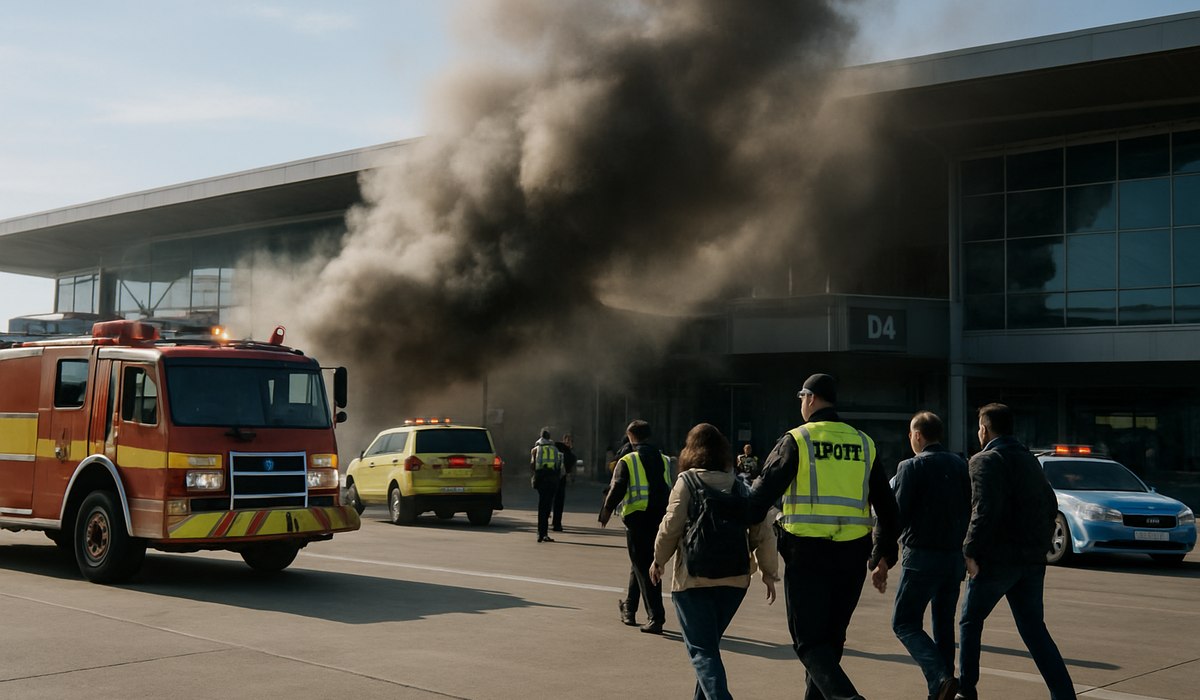
Image generated by AI
Fire Erupts at India's Busiest Aviation Hub
A significant fire at Mumbai's Chhatrapati Shivaji Maharaj International Airport triggered emergency evacuations and cascading flight disruptions across India's premier aviation gateway. The blaze ignited in a commercial terminal area during peak travel hours on April 9, 2026, forcing immediate safety protocols that halted passenger processing and departure sequences. Thick smoke spread through sections of the departures concourse as airport personnel moved travelers to safety. The incident unfolded at a critical moment when the airport was operating near maximum capacity, amplifying the ripple effects throughout Indian domestic and international flight networks. Emergency crews brought the fire under control within a relatively brief timeframe, yet mandatory safety inspections and damage assessments prolonged operational disruptions into the evening.
Fire Breaks Out in Commercial Terminal Area
The fire originated within the commercial zone of the terminal building, impacting critical passenger processing infrastructure. Initial eyewitness accounts and social media documentation revealed thick smoke billowing through departure corridors and lounge areas. Airport authority personnel activated comprehensive evacuation protocols as alarm systems triggered across affected zones. Ventilation systems were immediately engaged to manage smoke dispersal, while localized power shutdowns were implemented in proximity to the fire source. Multiple check-in islands and security lanes nearest the incident zone were shuttered to allow investigative teams access. Early safety assessments confirmed no serious injuries among passengers or staff, though the sudden disruption created significant passenger congestion in holding areas and alternative corridors. Emergency vehicles positioned on the apron near the terminal maintained standby status throughout initial firefighting operations.
Smoke and Safety Checks Halt Passenger Movement
The combination of active smoke, localized electrical concerns, and mandatory safety infrastructure inspections forced a temporary halt to organized passenger flow. Airport operations suspended normal security screening procedures in affected sections while technicians evaluated possible structural damage to ceiling panels, electrical cabling, and climate control ducts. Multiple security checkpoints were consolidated into fewer operational lanes, creating substantial bottlenecks at departures processing. Information display systems were manually updated as different terminal sections received clearance for reopening. Public address announcements guided travelers toward active check-in counters and security lanes. The systematic nature of these safety checks, while essential for passenger protection, extended operational recovery timelines and compounded downstream delays. Staff members prioritized vulnerable passengers, including families with infants, elderly travelers, and individuals requiring mobility assistance.
Departures Cascade Into Network-Wide Delays
The fire's impact rapidly extended beyond Mumbai as aircraft holding patterns accumulated throughout the evening. Affected carriers temporarily suspended boarding operations while ground teams executed revised gate assignments pending security clearance. Operational tracking systems registered sharp spike in departure delays, with multiple flights held at gates while awaiting security approval to push back. A limited number of flights were ultimately cancelled when revised scheduling conflicted with crew duty regulations and onward connection feasibility. Aircraft positioned for departure from Mumbai missed planned arrival windows at Delhi, Bengaluru, and regional destinations, creating secondary congestion throughout India's aviation network. Airlines operating on tight turnaround schedules experienced cascading disruptions to subsequent rotations. The single active runway at Mumbai's facility limited capacity for expedited recovery once departure sequencing fell behind schedule. Check FlightAware for real-time tracking of affected services and current delay status.
Airport Operations and Passenger Impact
Passengers experienced immediate complications at check-in counters, security checkpoints, and customer service desks as terminal processing capacity contracted. Extensive queues formed across the departures level, affecting business travelers, families, and international visitors seeking rebooking assistance or updated flight information. Connecting passengers discovered insufficient time for transfers to subsequent flights, particularly those requiring immigration processing and additional security screening. Passengers booked on separate tickets faced particular vulnerability to missed connections. Airlines deployed available personnel to assist travelers requiring accommodation, meal vouchers, and alternative itinerary arrangements. Gate reassignments created ongoing display changes and passenger confusion. Recovery efforts gradually restored terminal functionality as engineering inspections determined specific sections safe for reopened operations. Information personnel worked continuously to communicate changing conditions and next steps to affected travelers.
Key Facts and Impact Summary
| Factor | Details |
|---|---|
| Airport | Chhatrapati Shivaji Maharaj International Airport, Mumbai |
| Incident Date | April 9, 2026 |
| Location | Commercial terminal area, departures concourse |
| Flights Affected | Dozens of domestic and international departures |
| Passengers Impacted | Thousands across multiple airlines |
| Runway Status | Single active runway limited recovery capacity |
| Safety Status | No serious injuries reported; all-clear issued after inspections |
| Timeline Recovery | Evening operations through next morning |
| Major Route Hubs Affected | Delhi, Bengaluru, regional Indian destinations |
| Primary Disruption Type | Cascading departure delays, missed connections |
What This Means for Travelers
The Mumbai airport fire demonstrates the vulnerability of India's aviation system to infrastructure incidents at major hubs. Passengers should implement proactive protective measures for future travel:
-
Book longer connection buffers. Allocate minimum three-hour layovers through Mumbai for international connections and two hours for domestic transfers to accommodate unexpected disruptions beyond normal processing times.
-
Purchase comprehensive travel insurance. Protection covering missed connections and accommodation reimbursement proves invaluable during unexpected airport disruptions affecting multiple flights.
-
Monitor real-time flight status. Check FlightAware within two hours of departure for active delay information and airport operational updates before arriving at terminals.
-
Know your passenger rights. Review US DOT and FAA guidelines for airline compensation obligations and assistance requirements during operational disruptions.
-
Stay in communication with airlines. Subscribe to airline text and email notifications to receive immediate updates regarding gate changes, delays, and rerouting options during incidents.
-
Identify alternative routing options. Research backup airlines and connecting airports before travel to expedite rebooking decisions if disruptions occur.
Frequently Asked Questions
What caused the fire at Mumbai Airport terminal? The fire originated in the commercial terminal area, though official investigations into the specific cause were still ongoing at the time of this report. Early observations suggested possible electrical origins, with authorities conducting detailed infrastructure assessments following fire suppression.
How many flights were cancelled or delayed due to the fire? Dozens of flights experienced delays, with a smaller number cancelled outright. The exact count fluctuated as airlines recovered scheduling throughout the evening and into the following morning as terminal operations normalized.
Were passengers injured in the Mumbai airport fire incident? Early reports indicated no serious injuries among passengers or airport staff. Evacuation protocols functioned effectively, though the incident created passenger anxiety and crowding in holding areas during extended disruptions.
How long did the terminal remain partially closed? The fire was brought under control within a relatively brief timeframe, yet safety inspections and damage assessments extended operational restrictions through the evening hours. Phased terminal reopening occurred as different sections received engineering clearance.
Related Travel Guides
Explore additional resources for navigating major Indian airport challenges and international travel disruptions:
- Complete Guide to Mumbai Airport Transportation and Terminal Navigation
- Passenger Rights During Flight Delays and Cancellations Across Indian Airlines
- Building Resilient Travel Itineraries: Connection Buffer Recommendations for Asian Hubs
Important Disclaimer
This article documents publicly available information regarding the April 9, 2026
Disclaimer
This article is for informational and educational purposes only. It does not constitute legal, financial, or professional advice. While we strive to provide accurate and up-to-date information, travel policies, regulations, and conditions change rapidly. Always verify information with official sources before making travel decisions. Nomad Lawyer makes no representations about the accuracy, reliability, completeness, or suitability of the information provided. Readers should consult qualified professionals for advice specific to their circumstances. The views expressed in this article are those of the author and do not necessarily reflect the views of Nomad Lawyer.
Preeti Gunjan
Contributor & Community Manager
A passionate traveller and community builder. Preeti helps grow the Nomad Lawyer community, fostering engagement and bringing the reader experience to life.
Learn more about our team →