
Cuba Issues Severe Health and Infrastructure Alert Amid Power Blackouts and Water System Failures
A cascading public health alert in Cuba prompts travel advisories as widespread power cuts, contaminated water systems, and aviation fuel shortages paralyze tourism.
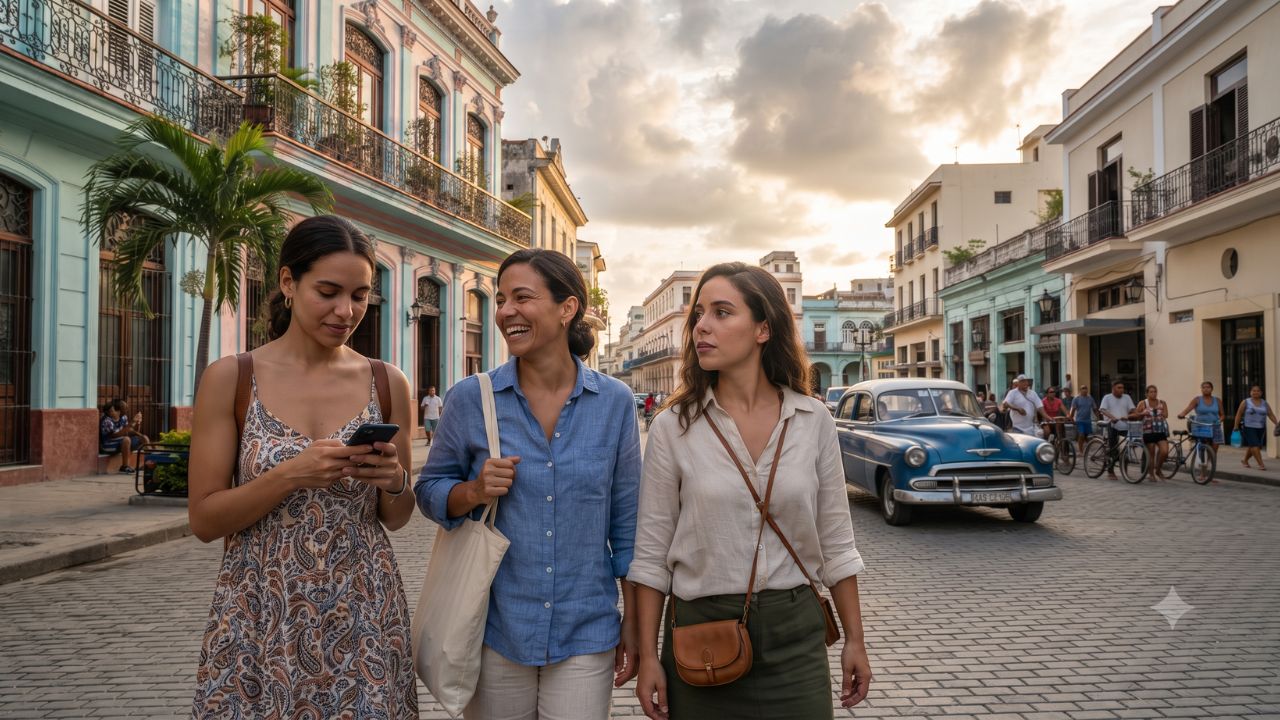
Image generated by AI
A compounding public health emergency across Cuba has triggered urgent international travel warnings, as nationwide electricity blackouts, municipal water-pumping shutdowns, and acute fuel deficits lead to a sharp surge in gastrointestinal illnesses and disrupt basic tourism operations.
Issued on September 5, 2026, by the US Embassy in Havana, the security alert warns that deteriorating electrical and water infrastructure is causing widespread food spoilage, unhygienic water storage, and an increase in diarrheal disease across the island. The health alert coincides with a deepening operational crisis for Cuba's visitor economy: the UK Foreign, Commonwealth & Development Office (FCDO) currently advises against all but essential travel, foreign arrivals have collapsed to less than half their pre-pandemic peak, international credit card processing has ceased, and major global hotel operators have withdrawn from the country.
The Local Trend Revealed: Infrastructure Collapse Directly Threatens Tourist Health
The crisis represents a dangerous convergence where municipal utility breakdowns directly undermine basic sanitary defenses. The US Embassy cautioned that fuel shortages have paralyzed power stations, disabling commercial cold-storage units and residential refrigerators. As a result, perishable meats, seafood, and dairy products are repeatedly exposed to ambient tropical temperatures before being served to unsuspecting diners.
In parallel, municipal water distribution has experienced systemic failure. In July, United Nations humanitarian monitoring reported that electrical blackouts had halted central water-pumping stations across Havana and Santiago de Cuba, leaving multi-story residential buildings and hospitality establishments without running tap water. To support two million vulnerable residents, the UN launched a $94 million emergency response plan, which was only 40 percent funded at the time of reporting.
Compounding enteric bacterial risks, the Pan American Health Organization (PAHO) and the US Centers for Disease Control and Prevention (CDC)—in guidance reviewed on September 3, 2026—highlighted concurrent spikes in mosquito-borne arboviruses, including dengue fever, chikungunya, Zika, and the emergent Oropouche virus. The CDC also highlighted heightened leptospirosis hazards resulting from flooding and soil contamination around disrupted drainage canals.
| Crisis Dimension | Operational & Health Impact |
|---|---|
| Primary Health Advisory | US Embassy alert on rising diarrheal disease from spoiled food and unpotable water |
| Government Travel Stance | UK FCDO advises against all but essential travel; US State Department Level 2 |
| Inbound Visitor Volume | ~328,608 arrivals in early 2026 (down from 4.75 million in 2018) |
| Aviation Infrastructure | José Martí Airport (HAV) Terminal 2 closed; flights moved to Terminal 3 |
| Airline Disruptions | Canadian carriers, Air France, Iberia, World2Fly, LATAM affected by fuel scarcity |
| Hospitality Retraction | Spain's Meliá Hotels International completed total exit in July 2026 (34 hotels) |
| Payment Environment | Central Bank blocked Visa and Mastercard on June 6, 2026; cash USD/EUR only |
Cultural & Environmental Value: Responsible Engagement and Community Solidarity
Cuba's economic contraction has placed the heaviest burden on ordinary citizens and independent hospitality workers who rely on international visitor spending to purchase basic food and medicines.
In early 2026, Cuba recorded roughly 328,608 international tourist arrivals—a fraction of the 4.75 million visitors welcomed in 2018. The departure of international hospitality chains, highlighted by Meliá Hotels International terminating its management of 34 properties in July 2026, underscores the island's commercial isolation.
For travelers who choose to navigate these difficult conditions, ethical tourism practices provide direct lifelines. Staying at licensed private guesthouses (casas particulares) and dining at family-operated paladares ensures that foreign currency directly supports local Cuban families rather than state holding conglomerates. Visitors can also pack over-the-counter pharmaceuticals, water purification tablets, and hygiene supplies to donate directly to neighborhood clinics, church charities, and host families struggling with nationwide medication shortages.
Visitor Insider Tips: Defensive Travel Logistics and Health Precautions
Navigating Cuba under current conditions requires defensive trip planning, complete self-reliance, and rigorous health hygiene:
- Strict Water Protocols: Never consume municipal tap water, brush teeth with unboiled water, or accept ice cubes in drinks, even in high-end venues. Drink only commercially sealed bottled water or water treated with portable micro-filtration systems and chlorine dioxide tablets.
- Carry a Comprehensive Medical Kit: Cuban pharmacies face extreme shortages of basic pharmaceuticals. Pack prescription antibiotics (such as ciprofloxacin or azithromycin for bacterial enteritis), loperamide, oral rehydration salt packets (ORS), sterile alcohol hand wipes, and heavy-duty insect repellent containing at least 30 percent DEET or Picaridin. Ensure you hold specialized medical evacuation insurance that explicitly covers infrastructure collapse.
- Carry Cash Reserves in Foreign Currency: Following the Central Bank of Cuba’s directive ending acceptance of international Visa and Mastercard payments on June 6, 2026, foreign debit and credit cards are completely inoperable. Bring sufficient pristine, untorn cash banknotes in US Dollars or Euros to cover your entire stay. Exchange funds exclusively through official Cadeca exchange booths or settle bills directly with private hosts who accept foreign cash.
- Backup Electrical Power and Communications: Expect daily rolling blackouts lasting from six to twelve hours, particularly outside Havana's central diplomatic zone. Carry high-capacity power banks (20,000 mAh or larger) to keep phones charged, and download offline mapping tools (such as Organic Maps or Maps.me) before arriving on the island, as mobile data networks frequently drop offline when cell towers lose auxiliary generator power.
- Reconfirm Aviation Departures Early: Due to severe shortages of aviation kerosene reported by Cuban airport authorities, airlines periodically cancel or reroute services. Note that Havana’s José Martí International Airport (HAV) has closed Terminal 2, consolidating all scheduled operations into Terminal 3. Arrive at least four hours prior to international departures to clear manual check-in queues.
Tourism Outlook: Infrastructure Restoration Is Vital for Recovery
Cuba’s tourism sector stands at a decisive crossroads. While the island retains extraordinary architectural beauty, vibrant musical traditions, and rich cultural resilience, destination marketing cannot compensate for the breakdown of foundational utilities.
Until structural investments stabilize power generation, restore dependable water treatment, and re-establish standard international payment processing, Cuba will remain a complex, high-risk destination. For the foreseeable future, prospective visitors must weigh the undeniable cultural rewards of exploring Cuba against severe daily disruptions, approaching every itinerary with thorough medical preparation, financial flexibility, and deep empathy for the local communities navigating this historic crisis.
Related Travel Guides
Disclaimer
This article is for informational and educational purposes only. It does not constitute legal, financial, or professional advice. While we strive to provide accurate and up-to-date information, travel policies, regulations, and conditions change rapidly. Always verify information with official sources before making travel decisions. Nomad Lawyer makes no representations about the accuracy, reliability, completeness, or suitability of the information provided. Readers should consult qualified professionals for advice specific to their circumstances. The views expressed in this article are those of the author and do not necessarily reflect the views of Nomad Lawyer.