EU ETIAS Launch Delayed to 2027 as EES Biometric Border Checks Expand to 29 Countries

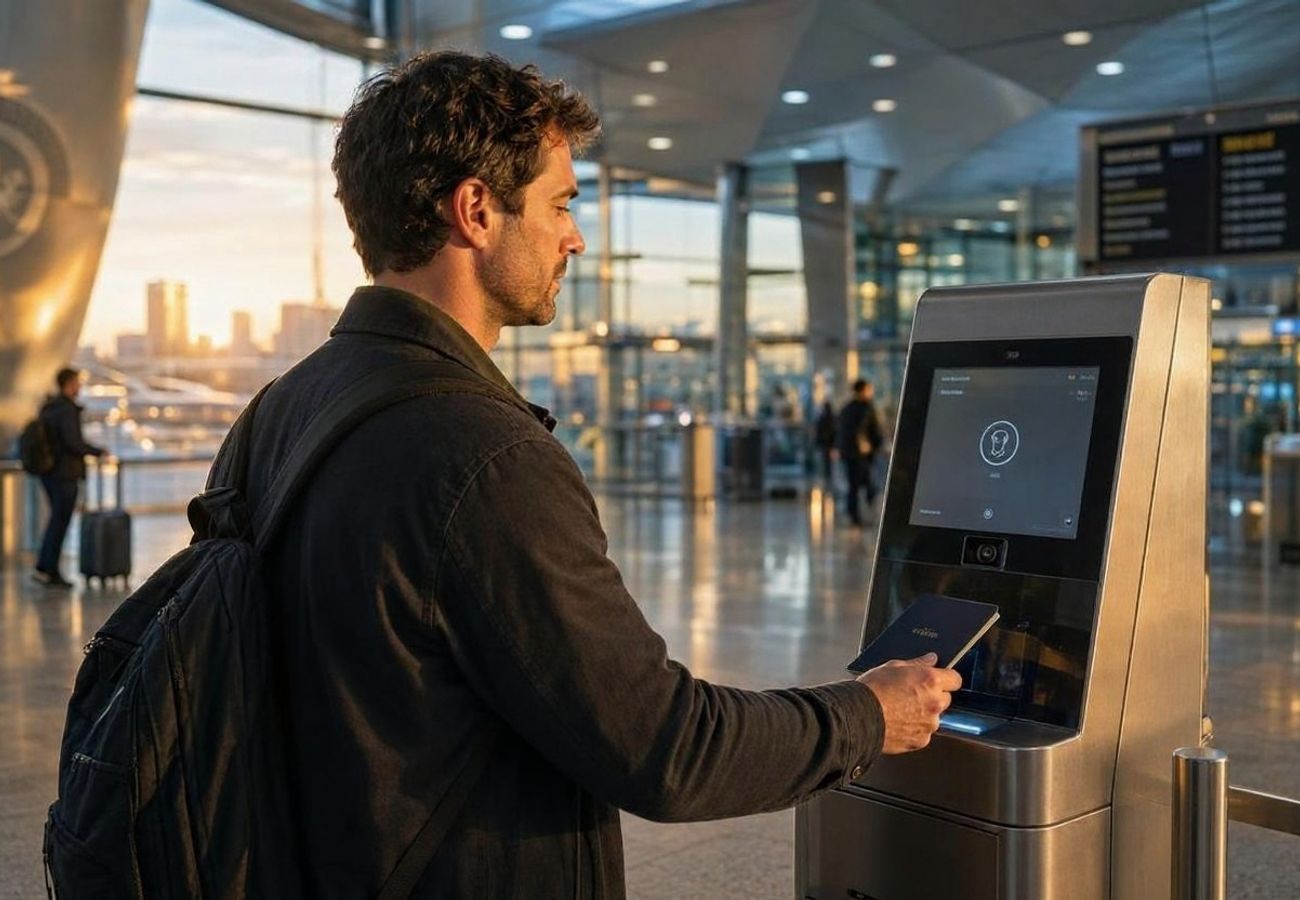
Image generated by AI
A 237% surge in flight searches to Tirana, Albania, signals a massive shift in traveler behavior as the European Union continues to overhaul its border security infrastructure. While the highly anticipated European Travel Information and Authorisation System (ETIAS) remains stalled, the region has successfully pivoted to a hard-biometric entry regime that fundamentally changes the physical experience of crossing into Europe.
The Bifurcation of European Border Tech: EES vs. ETIAS
The European Union is currently running two distinct digital border initiatives: one that is fully operational and one that is indefinitely delayed. The Entry/Exit System (EES) is no longer a pilot program; it is the current law of the land. Having begun a phased rollout on 12 October 2025, the EES became fully operational on 10 April 2026. This system is now active across 29 European countries, replacing the legacy method of manual passport stamping with a digital ledger of arrivals and departures.
Conversely, ETIAS—the electronic authorization required for visa-exempt travelers—has slipped further into the future. Current projections point toward a 2027 launch. For now, travelers from the approximately 60 visa-exempt nations do not need to apply for this authorization, though the European Union has stated that official notice will be provided several months before the mandatory start date.
Border Logistics and Biometric Requirements
The EES is designed to eliminate the ambiguity of manual stamps, which are prone to human error or forgery. By utilizing biometric data, the EU can now track the exact duration of a visitor's stay in real-time, making the detection of overstays instantaneous.
| System | Status | Scope | Primary Requirement | Purpose |
|---|---|---|---|---|
| EES | Fully Operational | 29 Countries | Fingerprints & Facial Images | Overstay tracking & fraud prevention |
| ETIAS | Delayed (Expected 2027) | 30 Countries | Electronic Application | Pre-travel security screening |
For the millions of non-EU nationals entering the zone, the registration process involves the collection of travel document data, facial imagery, and fingerprints. While certain EU family members and specific exempt categories are bypassed, the vast majority of short-stay visitors must now navigate these biometric kiosks.
Expert Analysis: The "Schengen Alternative" Trend
The data from Skyscanner’s Travel Trends 2027 report reveals a critical psychological shift in the market, particularly among Indian travelers. The massive spikes in interest for Tirana (237%) and Podgorica (236%) are not merely about aesthetics or cost; they are a strategic response to the increasing friction of the Schengen Area.
For travelers booking these routes, the direct consequence is a diversification of risk. Albania and Montenegro sit outside the Schengen Area, meaning they operate under different regulatory frameworks. When the EES adds time to airport queues and the eventual ETIAS adds a pre-departure administrative hurdle, "non-Schengen Europe" becomes an attractive hedge.
The pricing pressure this creates is significant. As demand for Tirana and Podgorica explodes, we can expect a rise in flight costs and hotel rates in these previously "under-the-radar" hubs. However, travelers must be cautioned: non-Schengen status does not equate to visa-free entry. The legal requirement for a visa depends entirely on the traveler's nationality and the specific bilateral agreements between their home country and the destination.
Key Takeaways
- EES is Live: Biometric registration (fingerprints and facial scans) is mandatory across 29 countries as of April 2026.
- ETIAS Delay: Visa-exempt travelers do not currently need an ETIAS authorization, with the launch now expected in 2027.
- Balkan Surge: Flight search interest from India to Tirana and Podgorica has grown by over 236% year-on-year.
- Border Friction: Travelers should allocate additional time for border crossings due to the shift from manual stamping to biometric registration.
- Visa Nuance: Entry into non-Schengen countries like Albania or Montenegro is not guaranteed by a Schengen visa.
FAQ: European Border Changes 2027
Do I need an ETIAS to visit Europe right now? No. ETIAS is not yet operational. Visa-exempt travelers can continue to enter the Schengen Area without this authorization until the official launch, currently expected in 2027.
What happens during EES registration at the airport? You will be required to provide your passport, have your photo taken, and provide digital fingerprints. This replaces the physical ink or digital stamp previously placed in your passport.
Can I use my Schengen visa to enter Albania or Montenegro? Not necessarily. Albania and Montenegro are not part of the Schengen Area. You must check the specific visa requirements for your nationality for each of these countries independently.
Which countries are included in the EES? The system is operational across 29 European countries. Check the official International Air Transport Association (IATA) or EU portals for the most current list of participating member states.
The era of the passport stamp is dead; the era of the digital border has arrived.
Related Travel Guides
This article is for informational purposes. Flight routes, passenger regulations, visa rules, and transit advisories are subject to change by airlines and aviation authorities. Readers are advised to verify schedules and travel documentation with relevant carriers and border agencies before departure.
Related Stories
US and Global Biometric Border Shifts: Analyzing the 2027 Passport and E-Gate Transformation

Portugal and Europe Face Massive Tourism Backlash With Airbnb Caps and Housing Protests in 2026