US and Global Biometric Border Shifts: Analyzing the 2027 Passport and E-Gate Transformation

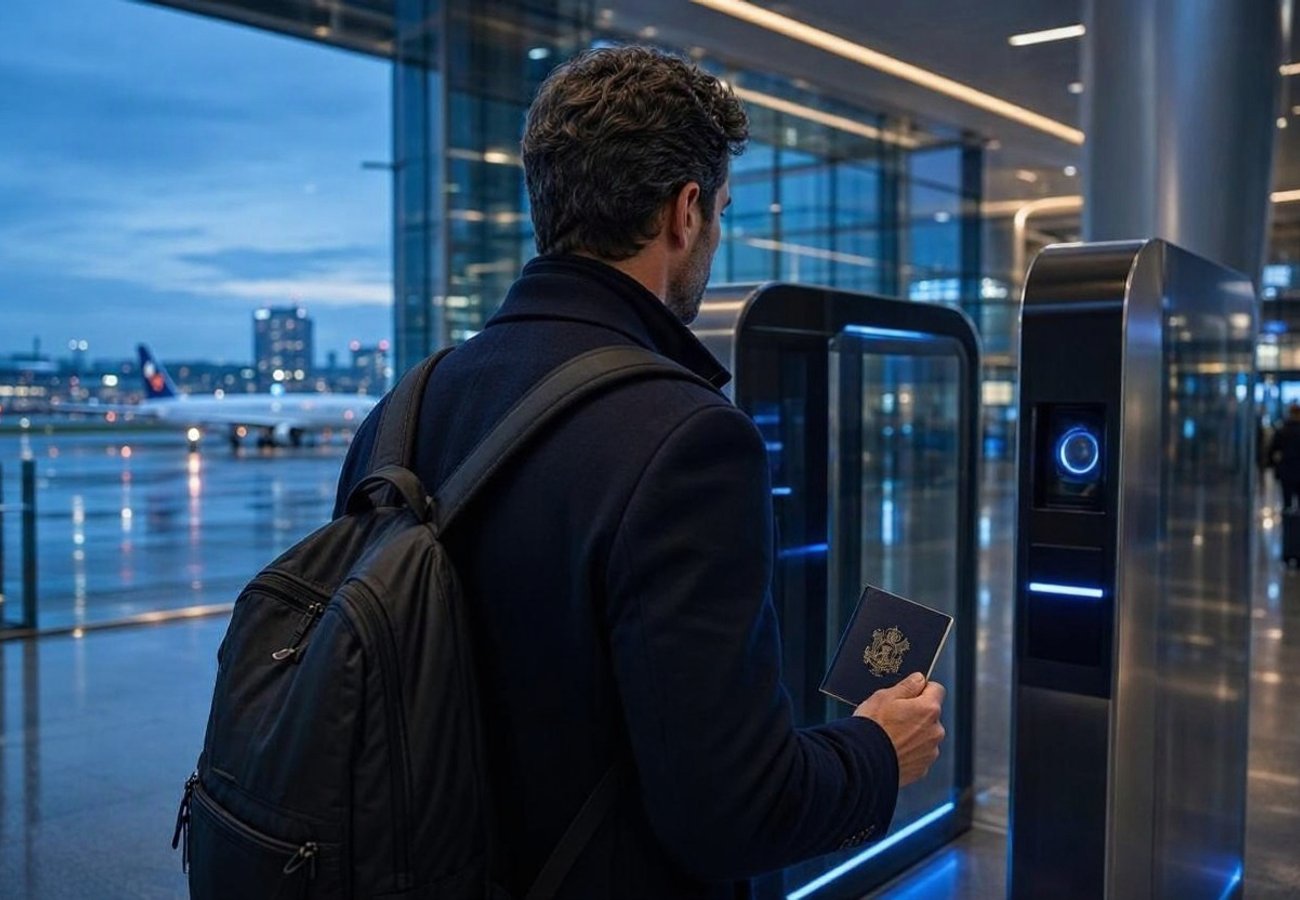
Image generated by AI
127 million travelers cleared immigration in Singapore during 2025 without presenting physical passports, signaling a massive shift toward automated border control that is now being mirrored across the West. While the industry is racing toward a "contactless" future, the transition is not a replacement of the physical passport, but rather a layering of biometric data over traditional documentation. As we move toward 2027, the friction of international travel is shifting from the boarding gate to the digital backend.
The Global Push for Biometric Integration
The transition toward digital borders is not a single event but a fragmented rollout across several major jurisdictions. In the United States, the U.S. Department of State launched a pilot program on November 16, 2026, via America.gov, allowing specific adults and previous passport holders to apply for documents online. This trial, slated to run until November 20, 2027, aims to decouple the application process from physical centers, though the end product remains a physical booklet.
Simultaneously, the United Kingdom is aggressively expanding its facial-recognition infrastructure. Following an October 2026 rollout at Birmingham and East Midlands airports, the UK government intends to standardize contactless eGates across all major hubs—including Heathrow, Gatwick, Manchester, and Edinburgh—by early 2027.
Regional Implementation and Data Benchmarks
The shift toward electronic records is most evident in Europe and Asia, where routine ink stamping is becoming an antiquity. The European Union’s Entry/Exit System (EES), which became fully operational on April 10, 2026, now governs 29 countries, replacing manual stamps with biometric fingerprints and facial images.
| Region/Country | Key Initiative | Implementation Date | Primary Metric/Impact |
|---|---|---|---|
| United States | Online Application Pilot | Nov 16, 2026 | Trial ends Nov 20, 2027 |
| United Kingdom | Contactless eGates | Oct 2026 (Start) | 25% faster processing speed |
| European Union | Entry/Exit System (EES) | April 10, 2026 | 29 countries; removal of ink stamps |
| India | Digi Yatra International | Nov 1, 2026 | Trials at 7 major airports |
| Singapore | Automated Clearance | March 2022 (Full) | 127M passengers (2025) |
| Philippines | Next-Gen ePassport | June 2028 (Target) | Enhanced chip & security features |
In India, the Ministry of Civil Aviation initiated Digi Yatra trials on November 1, 2026, across seven hubs: Delhi, Bengaluru, Hyderabad, Kochi, Mumbai, Chennai, and Amritsar. This allows Indian citizens on select Air India and IndiGo flights to utilize smartphone-based passport chip scanning and facial verification.
Expert Analysis: The Paradox of the Digital Passport
For travelers booking international routes in 2027, the direct consequence of these shifts is a "hybrid" travel experience. There is a persistent misconception that biometric gates mean the end of the passport booklet. In reality, the opposite is true: governments are doubling down on physical security.
The International Civil Aviation Organization (ICAO) is currently refining "Digital Travel Credentials" (DTC). Under the Type 1 model, a traveler creates a digital version of their identity, but the original physical passport remains the legal "root of trust." If a biometric gate fails or a digital record is corrupted, the physical booklet is the only legal instrument for repatriation or entry.
The pricing and logistical pressure this creates means travelers cannot rely on digital apps alone. Furthermore, the investment in new physical formats—such as the US Series B passport arriving in 2028 with a standardized 38-page count—proves that the physical document is evolving, not disappearing. The "digital revolution" is actually an efficiency play for border agencies to reduce manpower, not a liberation for the traveler from carrying a passport.
Key Takeaways
- Physical Passports are Mandatory: Despite the rise of eGates and Digi Yatra, physical passports remain the primary legal requirement for international travel through 2028 and beyond.
- EU Stamping is Over: Travelers to 29 EU countries will no longer receive ink stamps due to the EES system operational since April 2026.
- UK Speed Gains: Expect a 25% reduction in processing times at UK airports as contactless gates reach full deployment by early 2027.
- US Application Shift: Eligible US citizens can now utilize the America.gov pilot for online applications through November 2027.
- Fragmented Adoption: Not all nations are synced; Ireland and Cyprus remain outside the EU EES network, meaning manual stamping still exists in those jurisdictions.
FAQ: Biometric Borders 2027
Do I still need my physical passport if I use a biometric eGate? Yes. Biometric gates are for expedited verification, but immigration officers can legally demand your physical passport for secondary inspection or in the event of a system failure.
Will I get a stamp in my passport when visiting Europe in 2027? In 29 EU countries using the Entry/Exit System (EES), routine ink stamps have been replaced by electronic records. However, Ireland and Cyprus may still use manual stamping.
What is the Digi Yatra system in India? It is a digital identity initiative allowing eligible Indian citizens to use facial recognition and passport chip scanning at seven major airports to speed up international checkpoints.
When will the new US Series B passport be available? The redesigned 38-page Series B passport is expected to be introduced in 2028, replacing the previous 26 and 50-page options.
The border is becoming a digital mirror, but the booklet remains the only key that truly opens the door.
Related Travel Guides
This article is for informational purposes. Flight routes, passenger regulations, visa rules, and transit advisories are subject to change by airlines and aviation authorities. Readers are advised to verify schedules and travel documentation with relevant carriers and border agencies before departure.
Related Stories
EU ETIAS Launch Delayed to 2027 as EES Biometric Border Checks Expand to 29 Countries

Exploring Canada's 29 Most Stunning Lakes: Insider Guide to Alberta, BC, and Ontario 2026