Portugal and Europe Face Massive Tourism Backlash With Airbnb Caps and Housing Protests in 2026

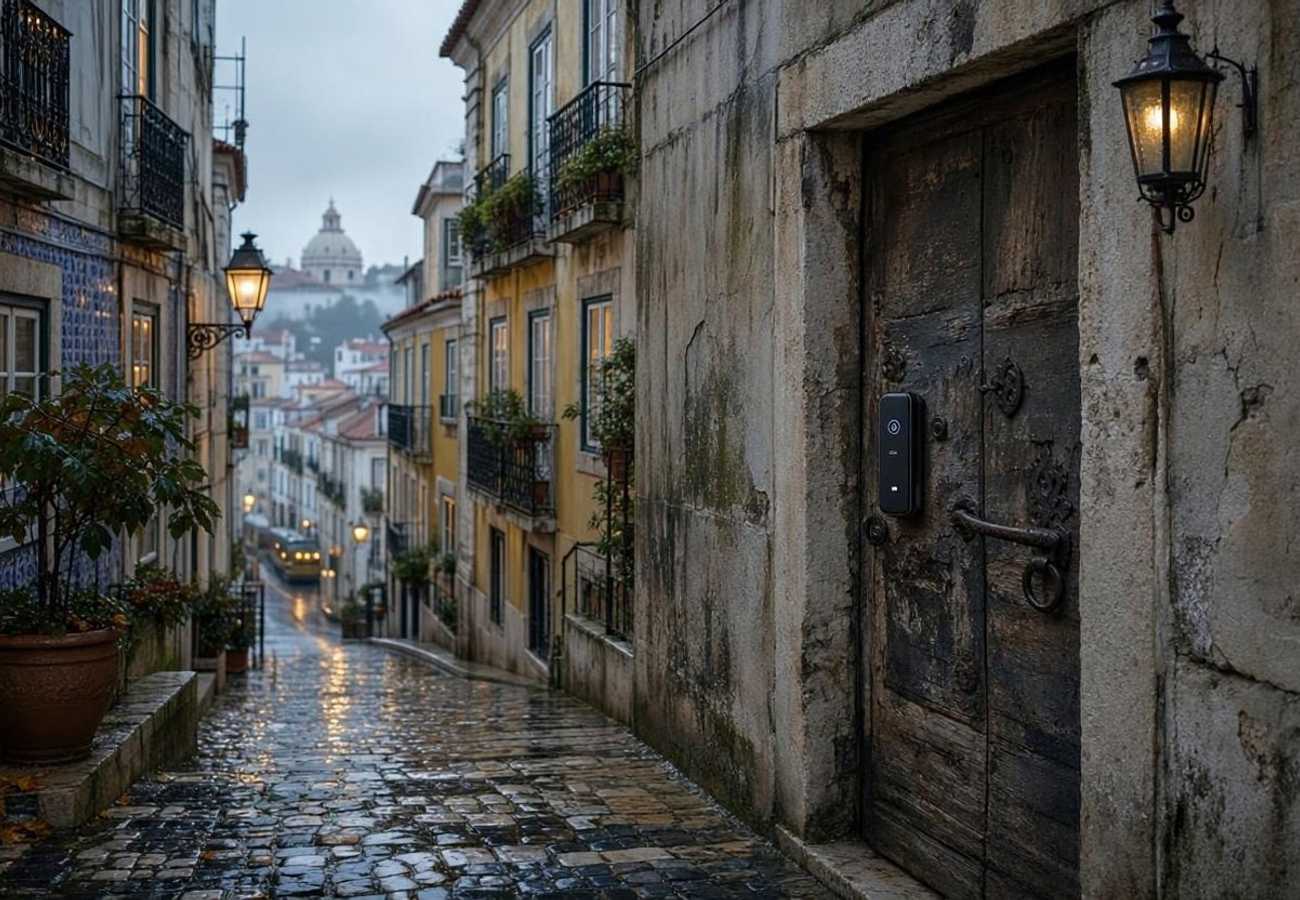
Image generated by AI
[Lisbon, November 15, 2026] — Tens of thousands of residents across Portugal and the European Union are flooding the streets in violent protests against skyrocketing rents and the unrestricted growth of short-term holiday rentals. The unrest has escalated from localized tenant frustrations into coordinated nationwide strikes and urban occupations, signaling a breaking point for some of the world's most visited destinations.
The crisis is driven by a massive disconnect between local wages and housing costs. Over the last 15 years, average property prices across the EU have surged by more than 50%, while rents have climbed roughly 25%. In major hubs like Lisbon, Madrid, Dublin, and Rome, the conversion of long-term residential apartments into tourist lets has effectively priced out essential workers, students, and families.
The Catalyst: Portugal's Housing Flashpoint
Portugal has become the epicenter of this continental revolt. Between early 2025 and early 2026, national housing prices spiked by nearly 20%. This surge occurred while local salaries remained among the lowest in Western Europe, creating an unsustainable living environment.
The situation turned volatile in March 2026, leading to the establishment of massive tent encampments in historic centers. By mid-September, approximately 200 tents occupied Lisbon’s Rossio Square, with similar camps appearing near Porto’s City Hall. The tension peaked after parliament passed legislation to accelerate evictions, which protesters claim favors landlords over tenants.
Clashes between police and citizens in late October and early November 2026 resulted in over 100 injuries and dozens of arrests. On November 14, 2026, massive marches spanned more than 30 Portuguese municipalities, demanding strict rent controls, the repeal of fast-track eviction laws, and a freeze on new tourist accommodation licenses.
European Housing and Tourism Pressure Metrics
The housing crisis is not isolated to Portugal. From the Mediterranean to the North Sea, residents are fighting a systemic lack of affordable living space.
| Country | Key Housing Metric | Primary Market Drivers | Public & Tourism Fallout |
|---|---|---|---|
| Portugal | Prices up ~20% in one year | Short-term rentals, foreign buyers | Lisbon/Porto encampments; license freezes |
| Spain | 755,000 home deficit; Madrid rents +75% | Corporate landlords, holiday flats | 1,200+ tents in Madrid; general strike |
| Ireland | Rents up 115% (2010–2025) | Supply lag, holiday rental growth | Dublin marches; housing rights debate |
| Italy | Steep spikes in historic hubs | Overtourism in heritage centers | Student protests in Milan, Turin, Bologna |
| Netherlands | Severe structural shortage | Zoning rules, high construction costs | Acute youth housing lockout |
| Germany | Berlin rents up 59% | Institutional landlords, urban migration | Mass tenant rallies; push for rent caps |
| Greece | 36% of income spent on housing | Overtourism, foreign investment | Severe youth emigration |
| France/Belgium | Rising urban rent burdens | Inflation, short-term lets | Nationwide autumn strikes |
What This Means for Travelers
For those booking trips to Europe, the domestic housing revolt is translating into direct logistical hurdles and increased costs. The European Union introduced new housing rules in September 2026 that grant municipal governments broader authority to restrict tourism.
Passenger and Visitor Impact:
- Vanishing Airbnb Inventory: Cities including Barcelona, Florence, Lisbon, and Porto are aggressively shrinking the number of legal short-term rentals. Travelers will find fewer apartment-style options, especially in historic districts.
- Surging Hotel Rates: As the supply of holiday lets drops, demand is flooding into traditional hotels, driving up nightly rates across the board.
- New Tourism Taxes: To fund affordable housing, some regions are implementing specific taxes on tourist flats, such as Spain's 10% tourist flat tax.
- Travel Disruptions: General strikes—like the one seen in Spain in November 2026—can lead to sudden highway blockades, transit shutdowns, and airport delays. Travelers should monitor updates from the European Union Aviation Safety Agency (EASA) regarding operational stability.
The Future of European Tourism
The shift toward "anti-tourism" legislation is likely to accelerate through 2027. Governments are under immense pressure to prioritize residential stability over tourism revenue. Expect a permanent move toward stricter zoning laws and a potential cap on the number of overnight visitors allowed in heritage zones.
In Ireland, the crisis has reached a constitutional level, with lawmakers debating a formal legal right to housing. In Greece, the burden is so severe that households spend 36% of their disposable income on housing—nearly double the EU average of 19%—leading to critical staffing shortages in the tourism sector as locals migrate.
FAQ: European Tourism Backlash 2026
Will my Airbnb booking be cancelled? Possibly. If your rental is in a "stressed neighborhood" in cities like Lisbon or Barcelona, new municipal caps on rental nights or permit freezes could lead to sudden cancellations. Always have a hotel backup.
Are protests affecting airport and train travel? Yes. General strikes in Spain and France have previously caused transit shutdowns and highway blockades. Check local transport authorities and your airline's status page before departing.
Are hotels more expensive now? Generally, yes. The crackdown on short-term rentals is pushing more tourists into traditional hotels, increasing demand and allowing hotels to raise prices.
Is it safe to visit Lisbon or Madrid during these protests? Most protests are concentrated in specific squares (like Rossio Square). While generally safe for tourists, avoid large demonstrations and follow local law enforcement guidance to avoid being caught in clashes.
The era of unrestricted short-term rentals in Europe is ending as residents reclaim their cities.
Related Travel Guides
This article is for informational purposes. Flight routes, passenger regulations, visa rules, and transit advisories are subject to change by airlines and aviation authorities. Readers are advised to verify schedules and travel documentation with relevant carriers and border agencies before departure.
Related Stories

New Zealand Visa Changes Delayed to Nov 23 2026 Amid South Island Weather Warnings

Spain Tourism Boom 2026: US Spending Surges 13% as Madrid and Barcelona Anchor Visitor Economy