
Europe Travel Affordability Crisis 2026: 61.4% of Romanians and 46.6% of Greeks Unable to Afford Holidays
Despite record-breaking tourism growth, nearly 28% of EU residents cannot afford a one-week annual holiday, with Romania and Greece facing the most severe affordability gaps in 2026.

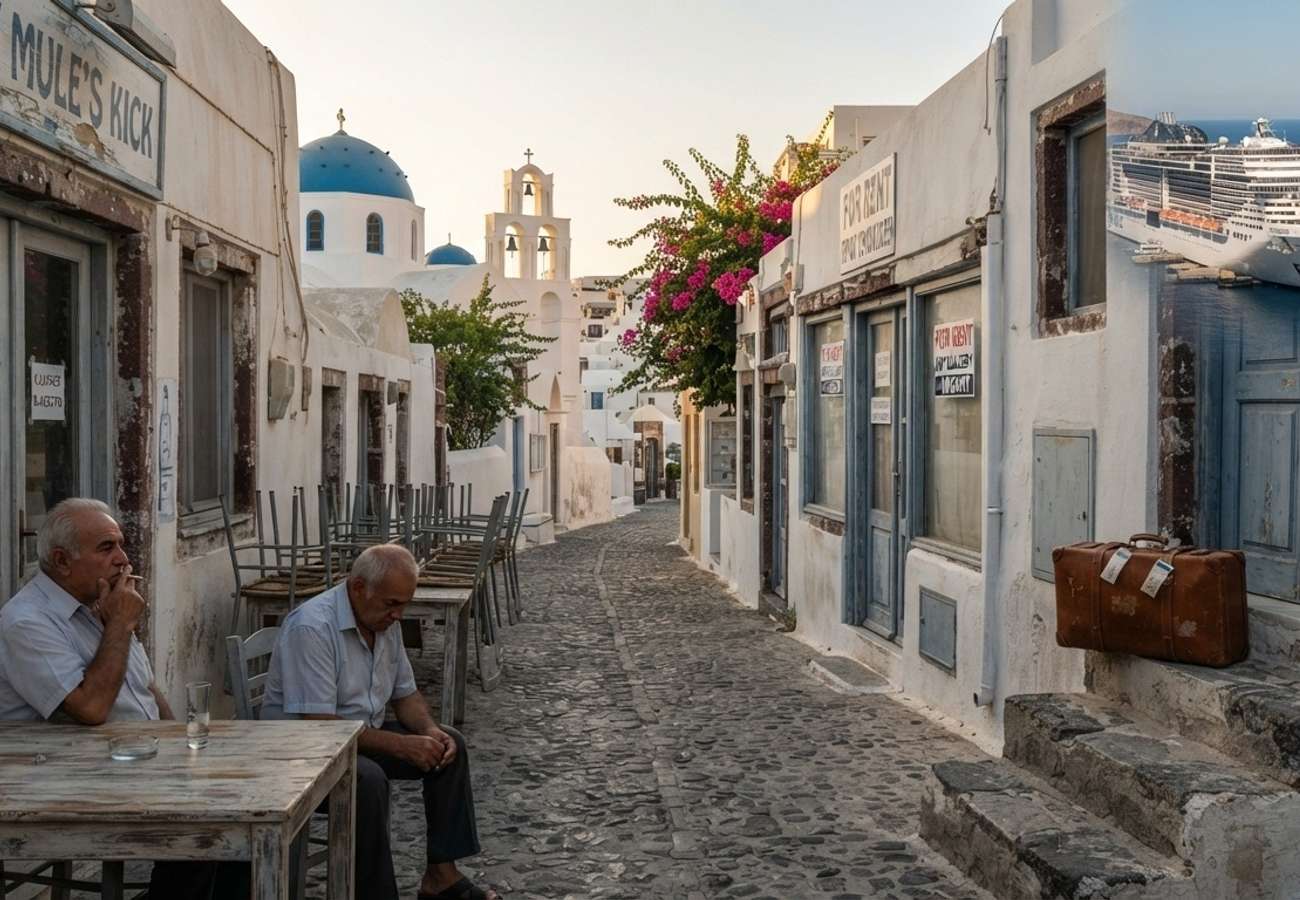
Image generated by AI
While Europe's tourism sector reports record-breaking overnight stays, a severe financial divide has left six in ten Romanians and nearly half of Greeks unable to afford a basic one-week vacation.
The contrast between aggregate industry success and individual household solvency has reached a critical point. According to Eurostat, 27.5% of EU residents aged sixteen and older were financially unable to afford a one-week annual holiday in 2025. This represents a slight increase from 27.0% in 2024, signaling that the cost-of-living crisis is actively eroding the discretionary income of millions.
It is vital to distinguish between "travel preference" and "travel affordability." While some residents may choose to stay home for personal or professional reasons, holiday deprivation is a direct metric of financial insolvency—indicating that a household lacks the necessary funds to facilitate a basic break.
The Romanian Crisis: A Stark Economic Divide
Romania currently faces the most acute travel affordability crisis in the European Union. In 2025, 61.4% of Romanian residents aged sixteen and above could not afford a one-week holiday, a figure that is more than double the EU average.
This deprivation is closely linked to broader systemic poverty. Romania reported one of the highest rates of social exclusion and poverty in the EU at 27.4% in 2025. The crisis is further exacerbated by skyrocketing utility costs; household electricity prices in Romania surged by 58.6% year-on-year in the second half of 2025. On a purchasing-power basis, Romania recorded the highest electricity cost in the EU at 49.52 PPS per 100 kWh.
When essential costs like energy, housing, and food consume the majority of a paycheck, leisure travel is the first expense to be eliminated.
The Greek Paradox: Tourism Success vs. Local Poverty
Greece presents a jarring contradiction in the travel sector. While the nation remains a global powerhouse for international tourism, its own citizens are increasingly priced out of travel. In 2025, 46.6% of Greek residents could not afford a one-week annual holiday—nearly 19 percentage points above the EU average.
Data from ELSTAT highlights a massive disparity based on income brackets:
- Poor Population: 82.5% could not afford a one-week holiday.
- Non-Poor Population: 37.8% faced the same constraint.
This proves that a country can achieve record-breaking international tourism growth while a significant portion of its own population remains trapped in material deprivation.
Regional Trends in Montenegro and Albania
The trend of financial vulnerability extends into the Balkans, though some regions show signs of slow recovery.
In Montenegro, MONSTAT data indicates that 55.7% of residents lived in households unable to afford a one-week holiday in 2024. While this is an improvement over previous years, the scale of the problem remains high. Furthermore, 47.9% of Montenegrins reported an inability to cover unexpected expenses, and 16.8% struggled significantly to make ends meet.
In Albania, INSTAT reported that the at-risk-of-poverty rate stood at 19.2% in 2024, with a severe material and social deprivation rate of 32.8%. These figures underscore why leisure travel remains a luxury for many, as budgets are prioritized toward rent, healthcare, and education.
The Great Divide: Industry Growth vs. Household Access
The most striking aspect of the 2026 travel landscape is the coexistence of record profits and widespread deprivation. The tourism industry is booming, yet the "travel gap" is widening.
Tourism Performance vs. Affordability Reality
| Metric | Industry Success (2025/2026) | Affordability Crisis (2025/2026) |
|---|---|---|
| EU-Wide Volume | 3.1 Billion accommodation nights | 27.5% cannot afford a week away |
| Romania | High regional growth | 61.4% holiday deprivation rate |
| Greece | Strong international arrivals | 46.6% unable to afford a break |
| Montenegro | Increasing tourist appeal | 55.7% cannot afford a week away (2024) |
| EU General | 65% took an overnight trip (2024) | Rising cost of essential living |
Shift in Consumer Behavior and Market Impact
Financial pressure rarely eliminates travel demand entirely; instead, it forces a shift in behavior. As affordability drops, consumers are pivoting toward:
- Domestic Alternatives: Choosing local destinations over international flights.
- Reduced Duration: Shortening trips from a week to a few days.
- Budget Logistics: Utilizing rail, coach, or low-cost carriers.
- Alternative Lodging: Visiting friends or relatives instead of booking hotels.
- Off-Peak Travel: Shifting vacations to avoid peak pricing.
For the travel industry, these shifts are commercially significant. Businesses focusing solely on total visitor numbers may overlook a decline in average spend per visitor and a shrinking booking window.
The record-breaking numbers of the European tourism boom are an illusion for the millions of residents who can no longer afford to leave their own cities.
Related Travel Guides
Disclaimer
This article is for informational and educational purposes only. It does not constitute legal, financial, or professional advice. While we strive to provide accurate and up-to-date information, travel policies, regulations, and conditions change rapidly. Always verify information with official sources before making travel decisions. Nomad Lawyer makes no representations about the accuracy, reliability, completeness, or suitability of the information provided. Readers should consult qualified professionals for advice specific to their circumstances. The views expressed in this article are those of the author and do not necessarily reflect the views of Nomad Lawyer.
Kunal K Choudhary
Co-Founder & Contributor
A passionate traveller and tech enthusiast. Kunal contributes to the vision and growth of Nomad Lawyer, bringing fresh perspectives and driving the community forward.
Learn more about our team →