Exploring Canada's 29 Most Stunning Lakes: Insider Guide to Alberta, BC, and Ontario 2026

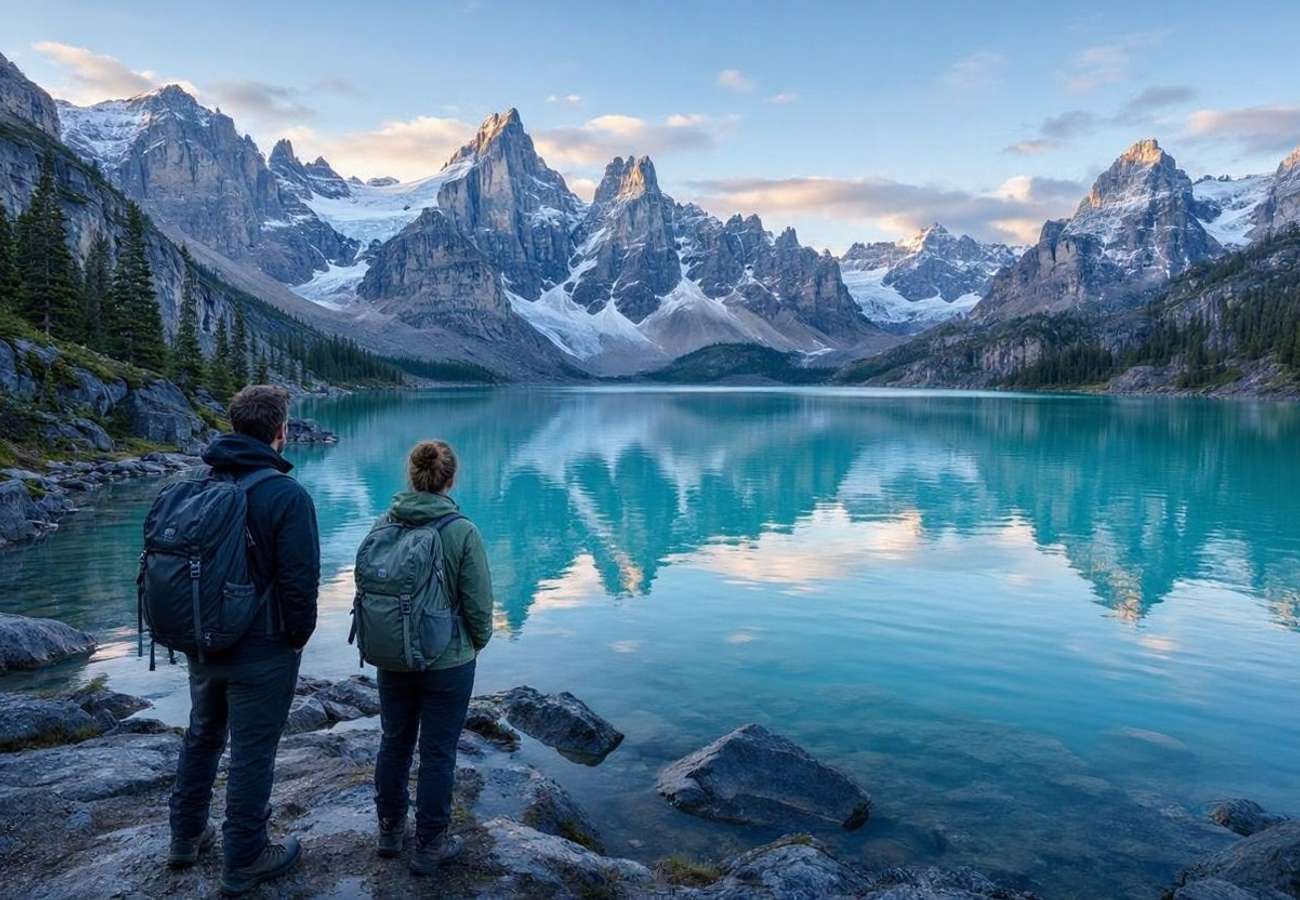
Image generated by AI
Frozen methane bubbles trapped beneath the ice of Abraham Lake create a surreal, otherworldly gallery that only appears in the dead of winter. While most visitors flock to the turquoise waters of the summer, this specific phenomenon makes the Alberta backcountry a pilgrimage site for photographers who are willing to brave the sub-zero temperatures.
The Shift Toward Managed Wilderness in 2026
Canada is moving away from the "drive-up-and-park" model of nature tourism. In 2026, the trend is defined by strict access management to protect fragile alpine ecosystems. The most striking example is the total ban on personal vehicles at Moraine Lake, forcing a transition to organized shuttle systems. This shift isn't just about traffic; it is a concerted effort by Parks Canada to mitigate the environmental impact of millions of visitors. For the traveler, this means the "spontaneous road trip" has been replaced by a requirement for precise digital planning and pre-booked transit.
What Makes the Canadian Lake Experience Unique
The appeal lies in the extreme geological contrast. In Alberta, you have "rock flour"—fine glacial silt that suspends in the water to create an electric turquoise hue. In British Columbia, the experience shifts toward the intersection of luxury and wilderness, where the shores of Okanagan Lake blend into world-class vineyards. Further north, in the Yukon and Northwest Territories, lakes serve as the primary highways for remote exploration, offering a silence and scale that is impossible to find in the more developed southern parks.
Alberta’s Glacial Circuit: Access and Logistics
Alberta remains the epicenter of Canada's lake tourism, but the logistics have evolved. The 2026 season saw a tightening of the window for the most popular sites.
2026 Access and Operational Windows
| Lake | Primary Draw | 2026 Access Note |
|---|---|---|
| Lake Louise | Glacier vistas & hiking | Shuttles ran May 15 – Oct 12 |
| Moraine Lake | Valley of the Ten Peaks | Shuttles ran June 1 – Oct 12; No private cars |
| Peyto Lake | Turquoise viewpoints | Primary stop on Icefields Parkway |
| Abraham Lake | Frozen methane bubbles | Seasonal winter attraction; ice safety critical |
| Maligne Lake | Spirit Island cruises | Accessible via Jasper; check road status |
| Cold Lake | Fishing & birdwatching | Construction active Sept 2026 – June 2027 |
For those visiting Jasper, the 2026 recovery phase meant that while Maligne Lake and Lake Annette remained open, specific areas like Cavell Road and Maligne Canyon stayed closed. Always verify current trail status via the UNESCO World Heritage listings for the Canadian Rocky Mountain Parks to understand the conservation zones you are entering.
Visitor Insider Tips
Timing the Crowds: To experience Lake Louise without the masses, arrive for the first shuttle of the day (usually before 7:00 AM). The light is superior for photography, and the atmosphere is far more serene before the tour buses arrive.
The "Secret" Route: Instead of sticking to the main village hubs, use the Icefields Parkway to find Bow Lake and Peyto Lake. While they are popular, they offer a more expansive sense of wilderness than the heavily managed Lake Louise corridor.
Local Etiquette: In British Columbia, particularly at Spotted Lake, you are entering land with deep Indigenous significance. Stay on designated paths and respect all signage regarding public access boundaries.
Transport Hack: If you are visiting both Lake Louise and Moraine Lake, buy the combined return shuttle ticket. It is the only efficient way to move between the two without returning to the village.
Cultural and Environmental Context
The tension between tourism growth and environmental preservation is palpable in the Rockies. The restriction of private vehicles at Moraine Lake is a direct response to soil erosion and wildlife disruption. Similarly, the construction at Cold Lake Provincial Park (running through June 2027) highlights the ongoing need to upgrade infrastructure to handle higher visitor volumes without destroying the natural habitat. Tourism here is no longer just about sightseeing; it is a managed interaction where the visitor is expected to be a steward of the land.
FAQ: Visiting Canadian Lakes 2026
What is the best time to visit for turquoise waters? The most vivid colors occur from late June to August, once the ice has melted and the glacial silt is fully suspended in the water.
Do I need a permit for backcountry hiking in BC? Yes, for destinations like Garibaldi Lake or Berg Lake, camping and certain backcountry accesses require advanced reservations and permits.
How do I get to the remote lakes in Alberta? Most are accessible via the Icefields Parkway. However, for Moraine Lake, you must book a Parks Canada shuttle or an authorized commercial transport provider.
Is it safe to visit Abraham Lake in winter? Only with professional guidance or extreme caution. Ice thickness varies, and the methane bubbles are a natural phenomenon that requires staying on stable, frozen surfaces.
The true magic of the Canadian wilderness is found in the silence between the shuttle stops.
Related Travel Guides
This article is for informational purposes. Flight routes, passenger regulations, visa rules, and transit advisories are subject to change by airlines and aviation authorities. Readers are advised to verify schedules and travel documentation with relevant carriers and border agencies before departure.
Related Stories
US and Global Biometric Border Shifts: Analyzing the 2027 Passport and E-Gate Transformation
Japan Spring 2027: How to Access Akita's Late-Blooming Cherry Blossoms After Tokyo's Peak