
Ethiopia South Omo Valley Cultural Tourism Experience Surges
Ethical tourism grows in Ethiopia's South Omo Valley, driven by unscripted cultural encounters, traditional craftsmanship, and eco-friendly village design.

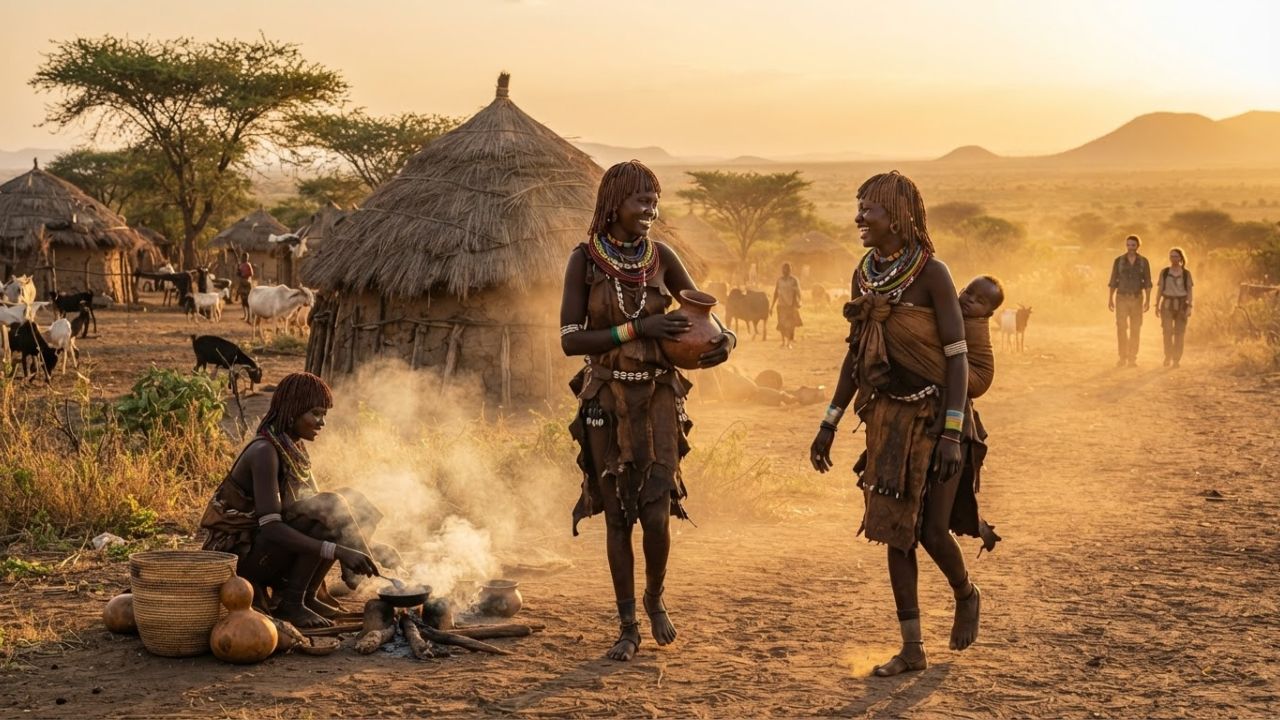
Image generated by AI
Ethiopia's South Omo Valley is experiencing a growth in ethical cultural tourism, as global travelers seek authentic, unscripted encounters with indigenous communities. Focused on the living customs of the Mursi, Karo, and Hamar peoples, this trend redefines how visitors engage with traditional societies through regenerative travel practices and resource stewardship.
Breathtaking Twilight Experiences on the Omo River Basin
The travel sector in Ethiopia is experiencing a transition as planners build regional destinations to diversify visitor experiences. In August 2026, the unique evening routines in the South Omo Valley are offering travelers a cultural experience that highlights traditional village life.
By establishing these seasonal travel corridors, the airline's management aims to support both business and leisure travel flows. Corporate travelers and travel agencies, which maintain strong relationships with global destination management organizations, benefit from direct seat capacity. This economic integration supports the travel sector, providing service providers with a reliable channel for high-value bookings.
By establishing these seasonal travel corridors, the airline's management aims to support both business and leisure travel flows. Canadian corporate travelers and travel agencies, which maintain strong relationships with European and Asian destination management organizations, would benefit from direct seat capacity. This economic integration supports the travel sector, providing service providers with a reliable channel for high-value bookings.
By establishing these seasonal travel corridors, the airline's management aims to support both business and leisure travel flows. Canadian corporate travelers and travel agencies, which maintain strong relationships with European and Asian destination management organizations, would benefit from direct seat capacity. This economic integration supports the travel sector, providing service providers with a reliable channel for high-value bookings.
By establishing these seasonal travel corridors, the airline's management aims to support both business and leisure travel flows. Canadian corporate travelers and travel agencies, which maintain strong relationships with European and Asian destination management organizations, would benefit from direct seat capacity. This economic integration supports the travel sector, providing service providers with a reliable channel for high-value bookings.
By establishing these seasonal travel corridors, the airline's management aims to support both business and leisure travel flows. Canadian corporate travelers and travel agencies, which maintain strong relationships with European and Asian destination management organizations, would benefit from direct seat capacity. This economic integration supports the travel sector, providing service providers with a reliable channel for high-value bookings.
By establishing these seasonal travel corridors, the airline's management aims to support both business and leisure travel flows. Canadian corporate travelers and travel agencies, which maintain strong relationships with European and Asian destination management organizations, would benefit from direct seat capacity. This economic integration supports the travel sector, providing service providers with a reliable channel for high-value bookings.
Twilight across the valley floor creates a serene atmosphere for photographers and travelers.
Amber rays cast long shadows over thatched dwellings and dirt paths as villagers complete their evening chores. This unscripted evening routine provides an authentic look at rural life, encouraging the adoption of low-impact tourism models that respect local community schedules.
Tribal Customs and Intricate Personal Adornments
The ethnic groups of southern Ethiopia maintain distinct body decoration and artistic traditions.
This localized disruption also offers a unique opportunity for duty-free retailers and terminal operators to design services suited for stranded passengers. By monitoring passenger comfort levels during long delays, airport customer teams can provide complimentary amenities to ensure guest satisfaction. This proactive approach helps build traveler confidence, ensuring that regional transit routes remain competitive with global hub standards.
This localized disruption also offers a unique opportunity for duty-free retailers and terminal operators to design services suited for stranded passengers. By monitoring passenger comfort levels during long delays, airport customer teams can provide complimentary amenities to ensure guest satisfaction. This proactive approach helps build traveler confidence, ensuring that regional transit routes remain competitive with global hub standards.
Mursi community members wear distinctive clay lip plates carrying deep socio-cultural meaning.
Karo community members paint white chalk patterns on their skin, while Hamar community members style their hair with red-ochre braids and cowrie shells. Learning about these traditions from village elders promotes cross-cultural appreciation, while buying handcrafted beadwork directly supports the local artisan economy.
Rites of Passage and Regional Trade Exchanges
Ceremonial practices and open-air markets form the core of social and economic life in South Omo.
This environmental focus is supported by regional climatologists and conservationists who monitor ecosystem health. By tracking tourist footprint signals, managers can ensure that natural areas remain protected. The integration of carrying-capacity policies with wilderness trails demonstrates how tourism planning can protect biodiversity while offering high-quality educational hikes.
This localized culinary focus also offers a unique opportunity for restaurant associations and culinary schools to design programs suited for premium travelers. By monitoring traveler culinary preferences during long stays, local chefs can provide customized dishes to ensure guest satisfaction. This proactive approach helps build traveler confidence, ensuring that Goan coastal dining remains competitive with global culinary standards.
This localized culinary focus also offers a unique opportunity for restaurant associations and culinary schools to design programs suited for premium travelers. By monitoring traveler culinary preferences during long stays, local chefs can provide customized dishes to ensure guest satisfaction. This proactive approach helps build traveler confidence, ensuring that Goan coastal dining remains competitive with global culinary standards.
The Hamar bull-jumping ceremony is an ancient rite of passage for young initiates.
Weekly trade markets host diverse tribes who travel on foot to exchange livestock, pottery, grains, and handcrafted goods. Ethical tour operators prioritize community consent, ensuring that these traditions are respected and not commercialized.
Gastronomy and Indigenous Foodways of the Omo Basin
Communal dining across southern Ethiopia features local crops, wild honey, and traditional beverages.
Communal meals feature sorghum and teff prepared as dense porridges or flatbreads. Gathering wild honey and seasonal fruits has sustained these communities for generations. Traditional gatherings often feature buna qala, a coffee-leaf infusion, or fermented sorghum beer, which play a central role in elder councils and peace-making rituals.
Culinary heritage tourism encourages visitors to support farmers directly, preserving indigenous seed varieties and traditional cooking methods.
Zero-Footprint Architecture and Eco-Friendly Village Design
Indigenous building practices represent centuries of environmental adaptation, using organic biodegradable materials.
Hut structures are built without industrial concrete or sheet metal, using acacia branches, mud, grass, and organic binding agents. The beehive-shaped woven bamboo huts of the Sidama and Chencha regions, along with Hamar thatch-and-pole dwellings, provide natural insulation against heat. When a structure reaches the end of its lifecycle, it returns harmlessly to the soil.
These zero-footprint building methods position the region as a primary study site for regenerative eco-tourism.
Visitor Guide: Local Specialties, Ethical Photography, and Travel Tips
Exploring Jinka, Turmi, and other South Omo regions involves coordinating local guides, practicing photography etiquette, and trying traditional dishes.
Sample traditional culinary specialties during your stay. Savor injera, a sourdough flatbread made from fermented teff flour, served with spicy lentil stews. Try traditional sorghum porridge and buna qala coffee-leaf infusions.
Coordinate your local transport. Fly to Addis Ababa (ADD) and catch a connecting domestic flight to Jinka Airport (BCO), the primary gateway to the South Omo Valley. Hire a local licensed guide through the Southern Region Tourism Bureau to coordinate village visits.
Observe photography guidelines and cultural customs. Always obtain explicit consent before taking photographs. Pay standardized, fair fees directly to your subjects. Do not enter dwellings without an invitation, and respect community schedules. Passports must have at least 6 months of validity.
Future Outlook: Rebuilding a Resilient Indigenous Heritage Corridor
The long-term development of Ethiopia's travel sector depends on integrating transport corridors with regional planning. Local community councils and the Ministry of Tourism are collaborating to support regional travel pipelines.
Sustainable initiatives include building low-emission shuttle links, promoting eco-friendly guesthouses, and introducing cultural heritage guides. By combining smart visitor management with traditional agricultural preservation, the region aims to support travel innovation, securing a resilient and connected future for Central Europe's mountain communities.
Related Travel Guides
Disclaimer
This article is for informational and educational purposes only. It does not constitute legal, financial, or professional advice. While we strive to provide accurate and up-to-date information, travel policies, regulations, and conditions change rapidly. Always verify information with official sources before making travel decisions. Nomad Lawyer makes no representations about the accuracy, reliability, completeness, or suitability of the information provided. Readers should consult qualified professionals for advice specific to their circumstances. The views expressed in this article are those of the author and do not necessarily reflect the views of Nomad Lawyer.
Naina Thakur
Contributor & Travel Specialist
Travel enthusiast and legal writer covering visa regulations, responsible tourism, and cultural journeys across global destinations.
Learn more about our team →