Kanazawa and Secondary Asian Cities Surge as Overtourism Taxes, Curfews, and High-Speed Rail Reshape Travel Demand in 2026

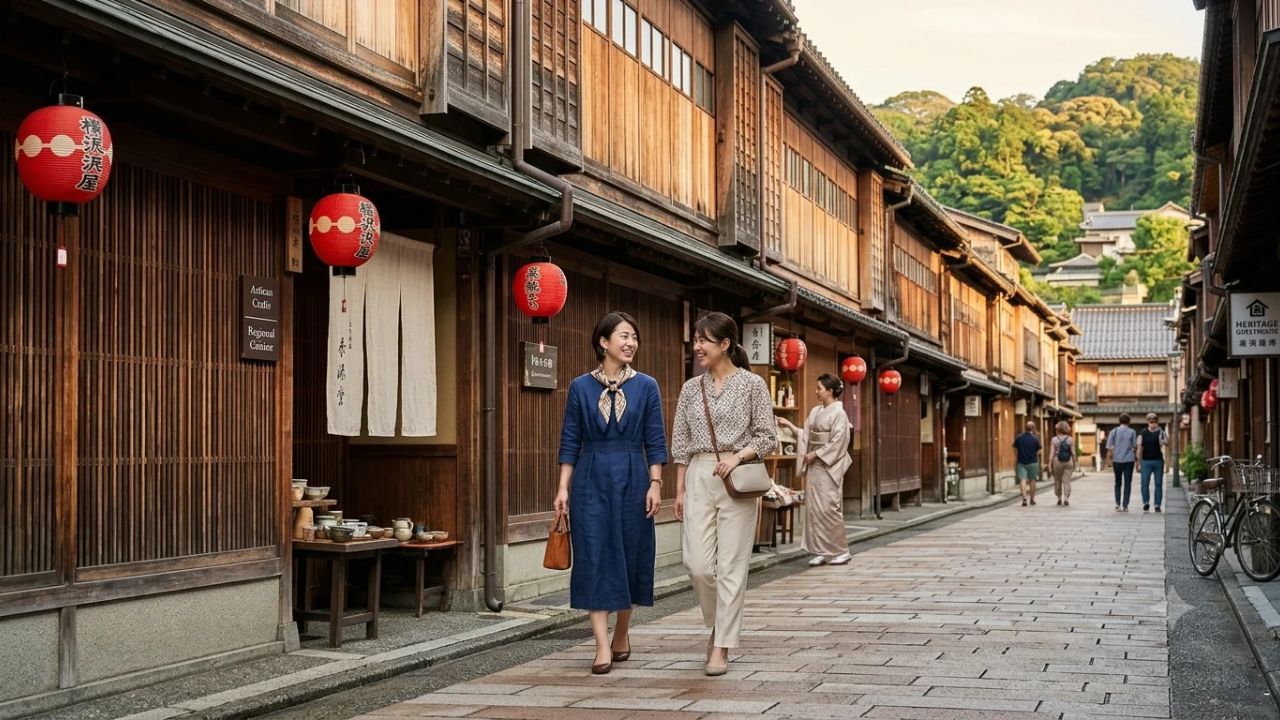
Acute carrying-capacity deficits across Asia’s primary gateway cities are triggering unprecedented regulatory interventions, prompting millions of international travelers to redirect their itineraries toward secondary heritage hubs such as Kanazawa, Jeonju, and Udon Thani.
Throughout East and Southeast Asia, the post-pandemic concentration of tourism within iconic metropolitan cores—most notably Tokyo, Kyoto, Seoul, Bangkok, and South Bali—has pushed municipal infrastructure, local housing markets, and resident tolerance to an operational breaking point. In response, sovereign and local governments have abandoned passive promotion in favor of aggressive overtourism mitigation policies, ranging from graduated luxury lodging taxes and mandatory visitor curfews to island development moratoriums and statutory fines for street congestion.
Concurrently, a technological and infrastructural shift is redefining regional mobility. The rapid adoption of generative artificial intelligence for semantic trip discovery, the expansion of modern high-speed rail networks like Japan's Hokuriku Shinkansen and South Korea's KTX, and growing traveler demand for authentic regional food cultures have dismantled the traditional hub-and-spoke holiday model. Secondary cities offering restored heritage townhouses, indigenous culinary traditions, and seamless rail transit are rapidly capturing market share, creating a decentralized, high-yield regional travel economy across Asia.
The Capacity Breaking Point: Tier-One Gateways Enforce Aggressive Mitigation
The structural shift toward provincial travel is fundamentally driven by regulatory friction in saturated primary hubs. As pedestrian overcrowding reached historic highs across Japan, Kyoto emerged as the focal point of the region's urban saturation crisis.
To internalize the externalities of hyper-tourism, the Kyoto City Government finalized a comprehensive overhaul of its municipal lodging tax system, receiving formal statutory approval from Japan’s Ministry of Internal Affairs and Communications:
- Five-Tier Sliding Scale: The municipal government replaced its historic flat lodging tax with an aggressive five-tier graduated scale. Surcharges escalate steeply based on nightly room rates, placing substantial tax liabilities on five-star luxury suites and high-end ryokans.
- Revenue Reallocation: Municipal authorities confirmed that annual lodging tax collections are projected to more than double, with proceeds ring-fenced to finance municipal transport improvements, crowd-management technology, and environmental mitigation.
- Pedestrian Enforcement in Gion: In parallel, municipal authorities enacted strict pedestrian bans across private historic alleys in Kyoto's famed Gion geisha district, enforcing immediate statutory fines against unauthorized visitors to safeguard resident privacy and street mobility.
| Destination / Gateway | Severe Bottleneck Encountered | Specific Statutory Mitigation Measure | Direct Impact on Traveler Behavior |
|---|---|---|---|
| Kyoto, Japan | Severe overcrowding; resident backlash in historic quarters | Five-tier graduated lodging tax; Gion private alley access bans with fines | Disincentivizes extended stays; redirects travelers to Hokuriku rail corridor |
| Seoul (Bukchon), South Korea | Hyper-tourism noise and privacy loss in residential hanok village | Mandatory visitor curfew barring non-residents in evening/early morning | Restricts sightseeing hours; pushes visitors toward provincial cultural cities |
| South Bali, Indonesia | Traffic gridlock; unchecked resort sprawl along southern coasts | Electronic "Love Bali" foreign entry levy; moratorium on new hotel/villa permits | Encourages northern/western island exploration and regional Indonesian hubs |
| Bangkok, Thailand | Urban congestion; concentration of foreign spending in capital | "Ignite Thailand" tax deductions and subsidies for 55 secondary provinces | Promotes budget airline trips to northeastern and northern cultural centers |
Similar regulatory firewalls have been established across the wider Asia-Pacific territory. In South Korea, the Seoul Metropolitan Government and the Jongno-gu district administration instituted a monitored tourist curfew within the historic Bukchon Hanok Village. Non-resident visitors are prohibited from entering residential residential alleys between 5:00 pm and 9:00 am, shielding local inhabitants from persistent disturbance.
In Indonesia, the provincial administration of Bali implemented an automated tourist levy collected through the digital "Love Bali" platform, accompanied by a coordinated moratorium halting all new commercial hotel, resort, and luxury villa construction across saturated southern regencies including Badung and Denpasar.
In Thailand, the central government launched its "Ignite Thailand" initiative, redirecting public development capital and granting targeted personal income tax deductions to travelers booking accommodations across dozens of designated second-tier provinces to de-densify the Bangkok metropolitan core.
Regional Overtourism and Decentralisation Matrix
Regulatory friction, heightened accommodation costs, and overcrowding in tier-one hubs have combined to produce a decisive redirection of traveler footfall across East and Southeast Asia.
| Country / Territory | Saturated Tier-1 Hubs (Bypassed) | Rising Secondary Cities (Beneficiaries) | Structural Regulatory Catalyst and Commercial Opportunity |
|---|---|---|---|
| Japan | Kyoto, Tokyo, Hakone | Kanazawa, Takayama, Fukuoka, Nagasaki, Kurokawa Onsen | Graduated lodging taxes and Gion alley bans; Hokuriku Shinkansen extension cuts provincial transit friction |
| South Korea | Seoul, Jeju Island | Sokcho, Jeonju, Gyeongju, Busan | Residential curfew frameworks; high-speed KTX rail connections link culinary capitals and coastal valleys |
| Thailand | Bangkok, Phuket | Udon Thani, Chiang Rai, Krabi (Inland & Secondary Bays) | Targeted provincial tax deductions; regional low-cost carrier route expansion capturing value-conscious travelers |
| Vietnam & Indochina | Hanoi, Ho Chi Minh City, Da Nang | Ninh Binh, Hue, Luang Prabang (Laos) | High domestic algorithmic trip planning; post-festival normalization unlocking heritage boutique lodging and food tours |
| Philippines & Indonesia | Manila, Boracay, South Bali | Iloilo City, Palawan (Secondary Towns), Surabaya | Island hotel development moratoriums and foreign entry levies; formal promotion of UNESCO Creative Cities of Gastronomy |
The commercial consequence of primary-city regulatory friction is directly visible across hospitality balance sheets. When primary metropolises introduce punitive tourist taxes and physical restrictions, commercial yield curves in secondary regional nodes steepen rapidly. Lower land acquisition costs, flexible municipal zoning, and local government investment incentives make secondary destinations highly attractive for boutique hotel developers. Concurrently, travelers perceive provincial destinations as offering higher cultural authenticity and personal relaxation, creating a sustainable foundation for regional tourism dispersion.
The Mechanics of Algorithmic Dispersion: Generative AI and Consumer Planning
Geographic redistribution across Asia is being accelerated by generative artificial intelligence trip-planning tools. Rather than consulting traditional guidebooks or standard search engine lists, a growing majority of Asian travelers use machine-learning platforms to build, compare, and customize complex multi-city itineraries.
A key behavioral difference distinguishes Asian digital planning from Western travel habits:
- The Asian "Human-in-the-Loop" Model: While Western corporate software often prioritizes fully automated booking agents that reserve flights and rooms without user intervention, Asian consumers maintain a disciplined "human-in-the-loop" approach. Travelers utilize AI tools for exploratory research and itinerary structuring, but consistently cross-reference findings against verified peer reviews, social video commentary, and specialized local forums before executing transactions manually.
- Natural Language Semantic Discovery: Traditional online travel marketing depended on keyword search engine optimization, which naturally favored major global capitals with massive promotional budgets. In contrast, large language models evaluate natural language semantic queries. When travelers prompt an AI engine for "quiet historic merchant towns with preserved Edo architecture accessible by bullet train" or "regional culinary hubs famous for traditional noodle broths and pottery," algorithms consistently surface destinations like Kanazawa, Takayama, or Jeonju ahead of national capitals.
Machine-learning engines prioritize high-sentiment, qualitative micro-reviews and specialized cultural blogs over generic promotional copy. Consequently, regional destination marketing organizations (DMOs) are overhauling their digital presence. To maintain visibility within AI conversational agents, municipal tourism boards must publish structured, machine-readable datasets, including digitized transit timetables, geographic information system (GIS) mapping of historic assets, and verified open-data business registers that comply with sustainable visitor management standards set by the OECD and UN Tourism.
Calendar Compression and Temporal Arbitrage Across Asian Holidays
The temporal distribution of travel in the Asia-Pacific region is shaped by a compressed sequence of major cultural and religious holidays. During the late-winter and early-spring cycle, the statutory holiday periods of Lunar New Year (celebrated as Spring Festival in China, Tet in Vietnam, and Seollal in South Korea) occur in close proximity to regional Islamic observances including Ramadan and Eid celebrations.
During initial festive peak windows, cross-border demand and dynamic hotel pricing algorithms produce extreme price surges across saturated tier-one gateways. In response, value-conscious travelers increasingly practice temporal arbitrage:
- Deterred by Peak Inflation: Astronomical room rates and congested attractions in primary cities during national holidays act as a strong behavioral deterrent for independent travelers.
- Targeting the Shoulder Window: Travelers deliberately schedule their journeys during the shoulder intervals directly following major holidays and preceding the spring cherry blossom season.
- Transition to Extended Provincial Stays: Search data indicates that booking velocity for accommodations in secondary Asian cities has outpaced growth rates in primary gateways, accompanied by marked increases in average length of stay. Provincial outposts that once functioned as transient day-trips from capital cities are now booked as multi-day immersive destinations.
Professional revenue managers in secondary cities are capitalizing on this dynamic through sophisticated yield structures. While primary city hotels rely on brief festive price spikes, provincial operators deploy midweek packages, extended-stay discounts, and bundled transit passes, stabilizing occupancy rates year-round and insulating visitors from metropolitan inflation.
The Primacy of Culinary Heritage and Non-Hotel Accommodations
The movement toward secondary Asian destinations is sustained by a fundamental lifestyle evolution: gastronomic exploration has officially displaced conventional sightseeing as the primary motivator for leisure travel across Asia's major source markets.
Secondary cities possess distinct competitive advantages in delivering food-anchored itineraries. Local culinary traditions are resilient against adverse seasonal weather, and provincial centers have preserved authentic regional foodways that commercialized metropolises have lost:
| Secondary Culinary Destination | Regional Recognition & Heritage Profile | Signature Gastronomic Experience |
|---|---|---|
| Iloilo City, Philippines | UNESCO Creative City of Gastronomy | Western Visayas Sugar Trail; authentic heritage dishes like La Paz Batchoy and Pancit Molo |
| Kanazawa, Japan | Capital of Ishikawa Prefecture; coastal sea hub | Fresh seafood at Omicho Market; refined Kaga cuisine and traditional Japanese wagashi confections |
| Jeonju, South Korea | Historic culinary heart of North Jeolla | Authentic Jeonju bibimbap, traditional makgeolli rice wine alleys, and centuries-old fermented banchan |
| Udon Thani, Thailand | Northeastern Isan culinary capital | Distinctive Isan gastronomy, spicy som tum papaya salads, grilled meats, and vibrant night markets |
In the Philippines, Iloilo City leveraged its designation as a UNESCO Creative City of Gastronomy, alongside national cultural programs like the Kain Na! culinary exchange, to expand visitor numbers through regional culinary assets without developing mass-resort infrastructure. Similarly, Kanazawa capitalizes on its coastal proximity to the Sea of Japan, drawing travelers to historic seafood markets, gold-leaf artisan studios, and classical tea districts.
Adaptive Heritage Reuse in Lodging
This cultural migration is supported by the growth of non-hotel accommodations. In primary gateways, prohibitive real estate costs and strict short-term rental laws limit lodging diversity. In secondary cities, operators have embraced adaptive heritage reuse:
- Restored Machiya Townhouses (Japan): In Ishikawa and Gifu Prefectures, historic wooden residential properties have been converted into licensed boutique ryokans and self-contained vacation villas.
- Traditional Hanoks (South Korea): Historic courtyard residences in Jeonju and Gyeongju offer immersive overnight stays with underfloor ondol heating and traditional tea services.
- Local Economic Multipliers: Because these boutique heritage accommodations utilize local carpenters, neighborhood maintenance crews, and regional farmers for breakfast provisioning, tourism expenditures remain directly within municipal host communities rather than being siphoned off by multinational hotel corporations.
Eliminating Transit Friction: High-Speed Rail Corridors and Open-Jaw Loops
Physical dispersion across vast regional territories requires modern transportation infrastructure to eliminate transit friction. Without efficient transport, algorithmic recommendations cannot translate into real passenger flow.
The expansion of high-speed rail networks has served as the critical catalyst across Northeast Asia. A prominent milestone was the completion of the Hokuriku Shinkansen extension by the Japan Railway Group, extending high-speed bullet train tracks from Kanazawa through Fukui to Tsuruga:
- The "New Golden Route": By significantly reducing travel times from Tokyo and enabling seamless cross-platform connections to Kyoto and Osaka, the extension allows travelers to bypass the congested traditional Tokaido Shinkansen trunk line. International travelers can purchase regional rail passes to traverse the scenic coastal spine along the Sea of Japan.
- South Korea’s KTX Network: Direct high-speed KTX lines connecting Seoul directly with Sokcho in the northeast, Gyeongju in the southeast, and Jeonju in the southwest have made multi-city provincial touring practical without domestic flight transfers.
- Point-to-Point Regional Aviation: In Southeast Asia, low-cost carriers have expanded direct international services into provincial airports such as Udon Thani, Chiang Rai, Da Nang, Iloilo, and Surabaya, bypassing capital hubs entirely.
Traditional Hub-and-Spoke Pattern:
[International Airport] ---> [Single Capital City Hotel] ---> [Brief Day-Trips] ---> [Departure]

Modern Open-Jaw Provincial Loop:
[Arrival Gateway] ---> [High-Speed Rail Corridor] ---> [Provincial Heritage Stay] ---> [Regional Loop] ---> [Secondary Exit Gateway]
This infrastructural evolution has popularized three primary open-jaw regional loops:
- The Sea of Japan Heritage Loop: Travelers arrive via Tokyo, board the Hokuriku Shinkansen to Kanazawa and Fukui, continue along mountain rail routes through Takayama, and depart internationally through Nagoya or Osaka.
- The Greater Mekong Transversal: International visitors fly directly into Chiang Rai in northern Thailand, cross overland into Laos to explore the UNESCO town of Luang Prabang, and exit via central Vietnamese aviation hubs in Da Nang or Hue.
- The Southern Philippines Heritage Route: Travelers arrive in Cebu, connect via passenger ferry networks to Iloilo City for culinary touring, and depart through secondary international departure airports.
These multi-modal loops distribute visitor spending across municipal supply chains and prevent secondary cities from becoming transit choke points.
Future Policy Horizons: Protecting Secondary Hubs from Saturation
The transition toward decentralized travel carries profound spatial governance implications. For decades, inbound tourism revenues were heavily concentrated within narrow capital borders, exacerbating urban wealth divides, driving up metropolitan housing costs, and causing friction with local residents.
By dispersing passenger traffic, secondary cultural corridors function as fiscal equalizers, providing provincial small-and-medium enterprises (SMEs) with direct access to foreign exchange receipts. In addition, because travelers in secondary hubs record longer average stays, capital velocity accelerates, directly benefiting municipal transport operators, agricultural producers, and local heritage trusts.
To prevent secondary cities from replicating the very overtourism crises they are absorbing, municipal authorities must implement proactive carrying-capacity frameworks aligned with OECD and UN Tourism guidelines:
- Digital Infrastructure Integration: Local governments must structure public transport schedules, museum operating hours, and heritage registers into accessible, machine-readable formats for AI engines.
- Proactive Carrying-Capacity Controls: Implementing real-time pedestrian density sensors, timed digital reservations for sensitive monuments, and targeted zoning laws governing residential conversions into tourist rentals.
- Unified Multi-Modal Ticketing: Expanding integrated regional transit passes covering trains, buses, and ferries to ensure independent international travelers can navigate regional transport without language or ticketing barriers.
As regulatory regimes tighten across saturated capitals, Asia's secondary cultural cities that combine modern transport infrastructure with authentic heritage preservation will continue to lead the region's tourism growth.
Frequently Asked Questions
What regulations are Asian tier-one cities using to curb overtourism?
Kyoto implemented an approved five-tier graduated lodging tax and banned tourists from private alleys in Gion under statutory fines. Seoul enforced an evening-to-morning tourist curfew in Bukchon Hanok Village, while Bali instituted an electronic entry levy and a hotel construction moratorium.
Why are travelers choosing Kanazawa over Kyoto?
Kanazawa offers preserved geisha and samurai districts, traditional craft workshops, and seafood dining comparable to Kyoto, but with significantly fewer crowds and lower accommodation taxes, connected directly to Tokyo via the extended Hokuriku Shinkansen bullet train.
How does generative AI contribute to tourism decentralization in Asia?
Generative AI models interpret natural language semantic queries, recommending quiet, authentic regional destinations with rich cultural reviews (like Kanazawa, Jeonju, or Udon Thani) rather than relying on keyword-based advertising that favors major capital cities.
What are the main open-jaw regional travel loops in Asia?
Key regional loops include the Sea of Japan Heritage Loop (Tokyo–Kanazawa–Fukui–Takayama–Osaka), the Greater Mekong Transversal (northern Thailand through Laos to Vietnam), and the Southern Philippines Heritage Route (Cebu linked to Iloilo City).
Related Travel Guides
This article is for informational purposes. Flight routes, passenger regulations, visa rules, and transit advisories are subject to change by airlines and aviation authorities. Readers are advised to verify schedules and travel documentation with relevant carriers and border agencies before departure.
Related Stories
Global Sustainable Tourism Surges in 2026 as Nature Escapes and Scenic Rail Journeys Drive Greener Travel Growth
Japan November 2026 Travel Alert: Tokyo and Kyoto Autumn Schedules and Pricing Updates