
Ecuador Heritage Tourism: Galápagos Wildlife and UNESCO Cities Drive Growth
Ecuador allows travelers to explore four distinct regions in one trip, showcasing Galápagos wildlife, Quito's colonial heritage, and Andes trekking.

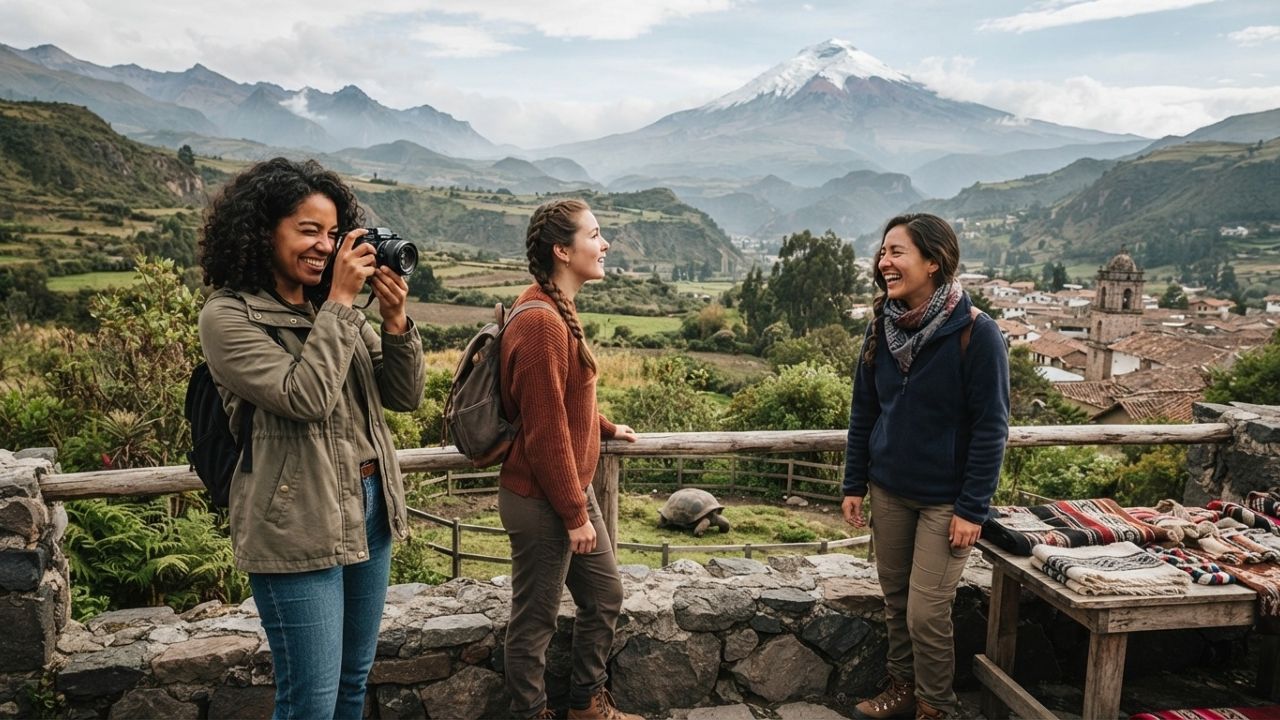
Image generated by AI
Ecuador's unique geographic position allows travelers to explore four distinct regions—the coast, the Andes highlands, the Amazon jungle, and the Galápagos Islands—in a single, conservation-focused journey.
The Galápagos Archipelago: Wildlife Tourism and Marine Protection
Situated approximately 1,000 kilometers from mainland Ecuador, the Galápagos Islands represent the country's most internationally recognized natural attraction. The volcanic archipelago, managed by the Galápagos National Park Directorate, is home to a high concentration of endemic species, including giant tortoises, marine iguanas, and sea lions.
Because these ecosystems are highly sensitive to human footprints, visitors must follow strict environmental rules, such as maintaining a two-meter distance from wildlife and exploring only under the guidance of certified park guides. This structured travel model prioritizes scientific research, education, and ecological preservation.
Colonial Architecture: Historic Centers of Quito and Cuenca
In the Andes highlands, the historic center of Quito stands as one of the best-preserved colonial centers in Latin America, having been among the first sites inscribed on the UNESCO World Heritage list in 1978. Surrounded by active volcanoes, the high-altitude capital features historic plazas, baroque churches, and museums showcasing pre-Columbian and Spanish colonial art.
Further south, the Historic Center of Santa Ana de los Ríos de Cuenca preserves its outstanding urban heritage. Recognized by UNESCO for its architectural layout, Cuenca offers a relaxed setting where cobbled streets, colonial buildings, and riverside pathways connect visitors with centuries-old craft traditions.
The Avenue of the Volcanoes: Cotopaxi and Mountain Tourism
The Avenue of the Volcanoes runs along the spine of the Ecuadorian Andes, drawing hikers, photographers, and mountaineers. Within Cotopaxi National Park, the symmetrical, snow-capped cone of the Cotopaxi Volcano reaches high above the valley, protecting fragile alpine ecosystems.
Beyond the major peaks, protected settings like Sangay National Park contain a mix of active volcanoes, high-altitude cloud forests, and grasslands, providing refuge for rare species like the spectacled bear and mountain tapir.
Rainforest Conservation and Indigenous Communities
The Ecuadorian Amazon offers opportunities to explore highly biodiverse rainforest ecosystems. The Ministry of Tourism of Ecuador (Mintur) supports community-based ecotourism projects, particularly those operated by indigenous Kichwa and Huaorani communities.
Booking accommodations at community-owned ecolodges ensures that tourism revenues directly support local families, funding municipal education and healthcare programs in remote forest areas.
Local Insider Travel Strategies
- Optimal Travel Windows: For the Andes and Quito, travel during the dry months of June to September. For the Galápagos, target the shoulder months of May or November when ocean temperatures are comfortable and sea conditions are calm.
- Support Native Artisans: When purchasing traditional wool textiles at the Otavalo Market or authentic hand-woven straw hats (known internationally as Panama hats, which originate in Cuenca and Montecristi), buy directly from the artisans to ensure fair compensation.
- Cultural Etiquette: Always request permission politely before photographing local indigenous residents, especially children.
- Gastronomic Specialties: Try Locro de Papa (a warm potato and cheese soup served with fresh avocado slices in the Andes) or Encebollado (a traditional fish and yuca soup served along the coast).
- Under-the-Radar Spot: Hike the Quilotoa Loop, a high-altitude trail that circles an emerald-green volcanic crater lake, or visit the cloud forests of Mindo for birdwatching.
Long-Term Outlook for Sustainable Tourism in Ecuador
The diversity of Ecuador's terrains encourages longer visitor stays, supporting a stable tourism economy. By structuring its travel sector around conservation, heritage protection, and community participation, the country is establishing a resilient model for sustainable travel. This balanced approach protects fragile ecosystems, preserves historic cities, and ensures that the natural wonders of the Equator remain accessible for future generations.
Related Travel Guides
Disclaimer
This article is for informational and educational purposes only. It does not constitute legal, financial, or professional advice. While we strive to provide accurate and up-to-date information, travel policies, regulations, and conditions change rapidly. Always verify information with official sources before making travel decisions. Nomad Lawyer makes no representations about the accuracy, reliability, completeness, or suitability of the information provided. Readers should consult qualified professionals for advice specific to their circumstances. The views expressed in this article are those of the author and do not necessarily reflect the views of Nomad Lawyer.
Raushan Kumar
Founder & Lead Developer
Full-stack developer with 11+ years of experience and a passionate traveller. Raushan built Nomad Lawyer from the ground up with a vision to create the best travel and law experience on the web.
Learn more about our team →