
Užupis: The Artistic Independent Republic Reshaping Vilnius Tourism
On April 1, 1997, residents of Vilnius' Užupis neighborhood declared a symbolic independent republic, creating a premier cultural destination.

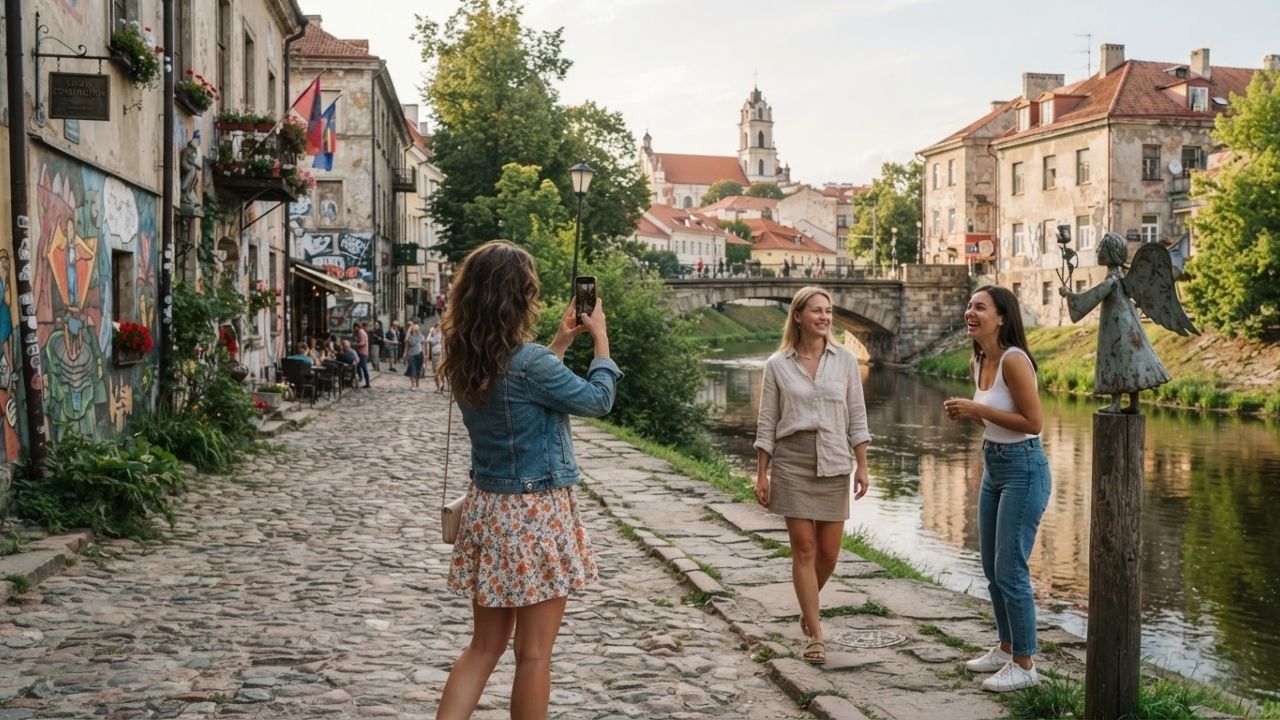
Image generated by AI
On April 1, 1997, residents of Vilnius' Užupis neighborhood declared a symbolic independent republic, transforming a neglected district into one of the Baltic region's premier cultural destinations.
Urban Regeneration: The Transformation of Užupis
Sited along the Vilnelė River in Lithuania's capital, the Užupis district has transitioned from a neglected post-industrial sector in the early 1990s into a thriving artistic enclave. This community-led revitalization was driven by local artists, sculptors, and small business owners who moved into abandoned buildings, establishing galleries, cafes, and open-air studios.
Rather than relying on commercial monuments, Užupis draws travelers through street art, sculptures, and community stories. Its streets display a mix of historic architecture and contemporary installations.
The Symbolic Constitution of the Užupis Republic
The declaration of the Republic of Užupis on April 1, 1997, was designed as a creative movement celebrating humor, imagination, and personal freedom. The neighborhood maintains a symbolic president, a cabinet of ministers, a flag, and a constitution.
The Užupis Constitution, displayed on metal plaques in multiple languages along Paupio Street, contains articles protecting the rights of individuals (and animals), such as "A cat has the right to love its owner, but is not obliged to." This playful approach to civic identity has established the district as a unique artistic zone within Europe.
Integration with Vilnius' UNESCO Historic Center
Užupis is situated adjacent to the Vilnius Old Town, which is recognized as a UNESCO World Heritage Site for its preserved medieval layout and Baroque architecture. This proximity allows visitors to walk easily from centuries-old Gothic churches to contemporary art installations.
The contrast between traditional preservation and modern creative freedom defines the cultural character of Vilnius. By visiting Užupis, travelers can observe how communities can maintain architectural heritage while leaving space for contemporary expression.
Midsummer Traditions: The Rasos Festival
Lithuania's seasonal celebrations provide an additional draw for cultural travelers. The Midsummer Festival, known locally as Rasos or Joninės, is celebrated in June and blends folk music, traditional dances, and nature rituals.
During the festival, communities gather to weave flower wreaths, light bonfires, and perform traditional songs, connecting modern urban centers with ancient Baltic heritage.
Community-Led Tourism and Local Economies
The regeneration of Užupis highlights the value of sustainable urban development. By visiting the Užupis Art Incubator (Užupio Meno Inkubatorius) and purchasing crafts directly from local artists, travelers ensure that tourism spending remains within the resident creative community.
Go Vilnius, the official tourism promotion agency, highlights Užupis as a key destination for independent travelers. Visitors are encouraged to explore the compact neighborhood on foot, reducing vehicle emissions and protecting the historic cobblestone pathways.
Local Insider Travel Strategies
- Optimal Travel Windows: Plan to visit the district early in the morning (before 9:00 AM) to photograph the street installations without crowds, or in the late afternoon when the local workshops are open.
- Cultural Etiquette: Keep in mind that Užupis is a residential area. Avoid entering private residential courtyards without an invitation and respect the privacy of working artists.
- Local Culinary Delicacies: Try traditional Šaltibarščiai (cold beetroot soup served with hot boiled potatoes) or Cepelinai (grated potato dumplings filled with meat) at local taverns in the district.
- Under-the-Radar Spots: Look beneath the main Užupis Bridge to spot the bronze Užupis Mermaid sculpture, and visit the local gallery near the bridge to get a symbolic republic stamp in your travel journal.
Long-Term Outlook for Baltic Cultural Travel
As travelers search for authentic, community-centric destinations, Užupis continues to grow in regional importance. The balance between heritage preservation and artistic independence ensures that the district remains a living project. For Vilnius, this cultural appeal supports a growing tourism economy, proving that creative freedom can drive sustainable urban regeneration.
Related Travel Guides
Disclaimer
This article is for informational and educational purposes only. It does not constitute legal, financial, or professional advice. While we strive to provide accurate and up-to-date information, travel policies, regulations, and conditions change rapidly. Always verify information with official sources before making travel decisions. Nomad Lawyer makes no representations about the accuracy, reliability, completeness, or suitability of the information provided. Readers should consult qualified professionals for advice specific to their circumstances. The views expressed in this article are those of the author and do not necessarily reflect the views of Nomad Lawyer.
Raushan Kumar
Founder & Lead Developer
Full-stack developer with 11+ years of experience and a passionate traveller. Raushan built Nomad Lawyer from the ground up with a vision to create the best travel and law experience on the web.
Learn more about our team →