
Eastern Europe's Rising Travel Capitals Lead 2026 Tourism Shift
Riga, Vilnius, Sarajevo, Bucharest, Sofia, and Tirana emerge as Eastern Europe's leading travel capitals in 2026, driving a shift toward cultural tourism.

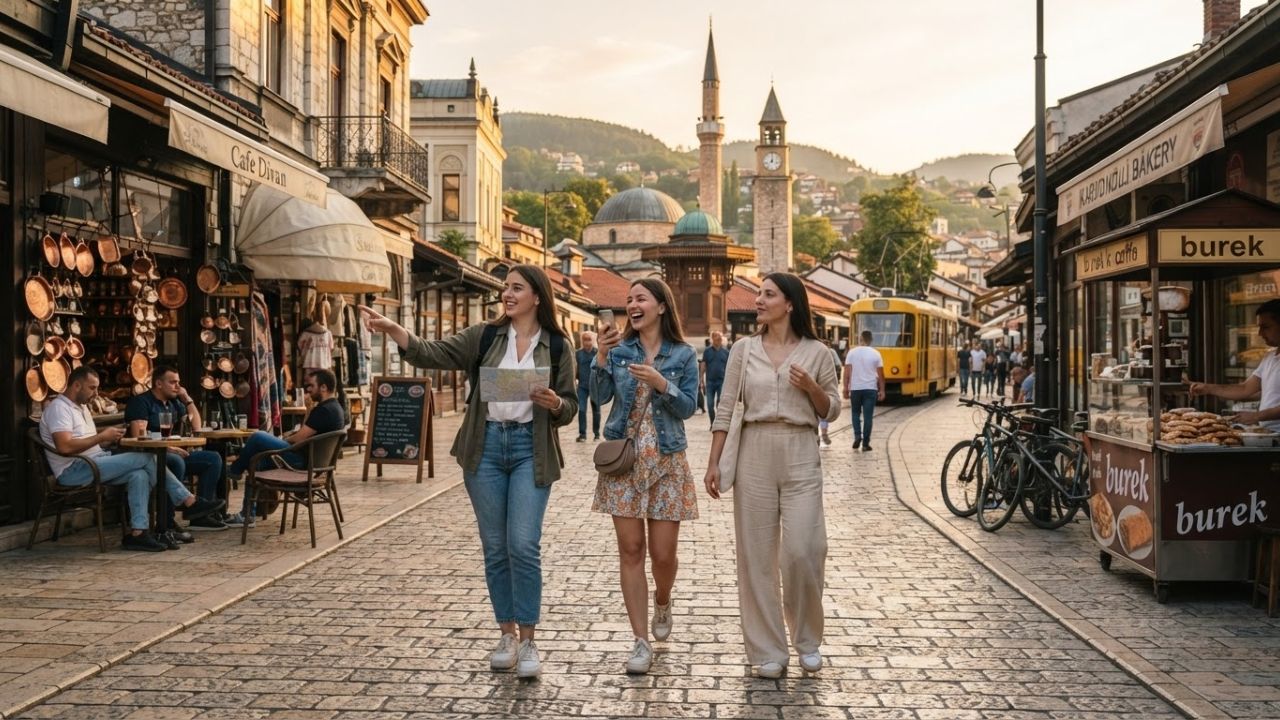
Image generated by AI
Eastern Europe's rising travel capitals are leading a global tourism shift in 2026, attracting international visitors seeking rich culture, preserved heritage, and affordable city stays. From Baltic gems like Riga and Vilnius to Balkan highlights like Sarajevo, Sofia, and Tirana, these emerging destinations are redefining European travel.
The Trend: The Pivot Toward Authentic Urban Exploration
The tourism sector in Europe is experiencing a transition as travelers seek alternatives to crowded western hubs. Historic capitals across Eastern and Southeastern Europe are emerging as major cultural destinations, offering authentic local experiences at lower average travel costs. Riga, Vilnius, Sarajevo, Bucharest, Sofia, and Tirana are attracting international visitors who prioritize regional history, unique architectural styles, and community engagement.
By establishing these seasonal travel corridors, the airline's management aims to support both business and leisure travel flows. Corporate travelers and travel agencies, which maintain strong relationships with global destination management organizations, benefit from direct seat capacity. This economic integration supports the travel sector, providing service providers with a reliable channel for high-value bookings.
By establishing these seasonal travel corridors, the airline's management aims to support both business and leisure travel flows. Canadian corporate travelers and travel agencies, which maintain strong relationships with European and Asian destination management organizations, would benefit from direct seat capacity. This economic integration supports the travel sector, providing service providers with a reliable channel for high-value bookings.
This localized disruption also offers a unique opportunity for duty-free retailers and terminal operators to design services suited for stranded passengers. By monitoring passenger comfort levels during long delays, airport customer teams can provide complimentary amenities to ensure guest satisfaction. This proactive approach helps build traveler confidence, ensuring that regional transit routes remain competitive with global hub standards.
This growth is supported by changes in traveler behavior. Visitors are planning longer stays and choosing compact capitals where historic centers, museums, and local markets can be explored on foot. This trend helps distribute tourism spending more evenly across the continent, supporting local businesses and community-focused projects outside traditional tourism zones.
Northern Baltic Highlights: Riga and Vilnius
In Northern Europe, the Baltic capitals of Riga and Vilnius combine well-preserved medieval heritage with active contemporary art scenes.
This localized disruption also offers a unique opportunity for duty-free retailers and terminal operators to design services suited for stranded passengers. By monitoring passenger comfort levels during long delays, airport customer teams can provide complimentary amenities to ensure guest satisfaction. This proactive approach helps build traveler confidence, ensuring that regional transit routes remain competitive with global hub standards.
This localized culinary focus also offers a unique opportunity for restaurant associations and culinary schools to design programs suited for premium travelers. By monitoring passenger dining preferences during long stays, local chefs can provide customized dishes to ensure guest satisfaction. This proactive approach helps build traveler confidence, ensuring that Canadian urban dining remains competitive with global culinary standards.
Latvia's capital, Riga, is known for its architecture, featuring a historic medieval Old Town and an Art Nouveau district centered on Alberta Street, constructed between 1901 and 1908. Visitors can explore the Riga Art Nouveau Museum or sample local ingredients at the Central Market. Lithuania's capital, Vilnius, offers a baroque Old Town alongside Užupis, a self-proclaimed independent republic known for its artistic atmosphere, community constitution, and bronze Angel sculpture.
Both cities offer excellent flight connections, making them highly accessible for slow travel, architectural photography, and cultural weekend breaks in Northern Europe.
The Balkans: Sarajevo, Sofia, and Belgrade
The Balkan region hosts capitals that preserve distinct architectural styles and multicultural traditions, attracting history-focused travelers.
This environmental focus is supported by regional climatologists and conservationists who monitor ecosystem health. By tracking tourist footprint signals, managers can ensure that natural areas remain protected. The integration of carrying-capacity policies with wilderness trails demonstrates how tourism planning can protect biodiversity while offering high-quality educational hikes.
This localized culinary focus also offers a unique opportunity for restaurant associations and culinary schools to design programs suited for premium travelers. By monitoring passenger dining preferences during long stays, local chefs can provide customized dishes to ensure guest satisfaction. This proactive approach helps build traveler confidence, ensuring that Canadian urban dining remains competitive with global culinary standards.
Sarajevo, the capital of Bosnia and Herzegovina, displays a blend of Ottoman and Austro-Hungarian influences. Visitors can explore the 15th-century Baščaršija bazaar, watch coppersmiths work on Kazandžiluk Street, and visit the historic Gazi Husrev-beg Mosque.
Bulgaria's capital, Sofia, combines Roman archaeological ruins with access to nearby Vitosha Mountain. In Serbia, Belgrade offers riverside parks along the Danube and Sava rivers, the historic Kalemegdan fortress, and traditional restaurants, presenting a mix of history and modern nightlife.
Southern Gateways: Bucharest and Tirana
In Romania and Albania, capital cities are undergoing rapid urban revitalization while preserving their unique cultural roots.
This environmental focus is supported by regional climatologists and conservationists who monitor ecosystem health. By tracking tourist footprint signals, managers can ensure that natural areas remain protected. The integration of carrying-capacity policies with wilderness trails demonstrates how tourism planning can protect biodiversity while offering high-quality educational hikes.
By establishing these seasonal travel corridors, the airline's management aims to support both business and leisure travel flows. Canadian corporate travelers and travel agencies, which maintain strong relationships with European and Asian destination management organizations, would benefit from direct seat capacity. This economic integration supports the travel sector, providing service providers with a reliable channel for high-value bookings.
Romania's capital, Bucharest, is famous for its grand Palace of Parliament, historic Lipscani district, and park corridors. As a major capital region, it experiences stable, year-round visitor numbers for both leisure and business.
Albania's capital, Tirana, features colorful public buildings, historic museums, and dining venues. The city serves as a central gateway for travelers exploring Albania's Adriatic and Ionian coastlines, national parks, and historic hillside towns.
Visitor Guide: Local Specialties, Currency Navigations, and Transit Advice
Planning a trip to Eastern Europe involves coordinating transit routes, managing multiple currencies, and researching local customs. By preparing in advance, travelers can enjoy a comfortable journey.
Sample local culinary specialties during your stay. Try grey peas with bacon in Riga, order Šaltibarščiai, a cold pink beet soup, in Vilnius, and try grilled ćevapi at the traditional eateries in Sarajevo. In Bucharest, sample sarmale, while in Sofia, try banitsa pastries.
Navigate regional transit networks. In Riga, use the local tram network to cross the Daugava River, and in Sarajevo, use the historic trolley system to explore the Miljacka valley. In Bucharest, use the metro network to avoid city road traffic.
Manage local currency requirements. While Latvia and Lithuania use the Euro, other destinations use local currencies: the Bosnian Convertible Mark (BAM), Romanian Leu (RON), Bulgarian Lev (BGN), and Albanian Lek (ALL). Carry small amounts of local cash for purchases at open-air markets and artisan workshops.
Future Outlook: Building Sustainable Regional Capital Networks
The long-term success of tourism in Eastern Europe depends on establishing sustainable infrastructure and protecting regional heritage. National ministries of tourism and regional preservation boards are collaborating to manage visitor numbers.
Sustainable initiatives include expanding public transit fleets with electric buses, promoting walking tours in historic zones to reduce vehicle emissions, and supporting local artisan cooperatives in heritage areas. By combining cultural preservation with sustainable event management, these emerging capitals aim to protect their heritage while welcoming future generations of international travelers.
Related Travel Guides
Disclaimer
This article is for informational and educational purposes only. It does not constitute legal, financial, or professional advice. While we strive to provide accurate and up-to-date information, travel policies, regulations, and conditions change rapidly. Always verify information with official sources before making travel decisions. Nomad Lawyer makes no representations about the accuracy, reliability, completeness, or suitability of the information provided. Readers should consult qualified professionals for advice specific to their circumstances. The views expressed in this article are those of the author and do not necessarily reflect the views of Nomad Lawyer.
Naina Thakur
Contributor & Travel Specialist
Travel enthusiast and legal writer covering visa regulations, responsible tourism, and cultural journeys across global destinations.
Learn more about our team →