
Delhi Airport: 500+ Flights Delayed in Storm Chaos — May 2026
Severe thunderstorms trigger 500+ flight delays at Delhi IGI Airport in May 2026, hitting IndiGo, Air India and international carriers. Passenger guide inside.

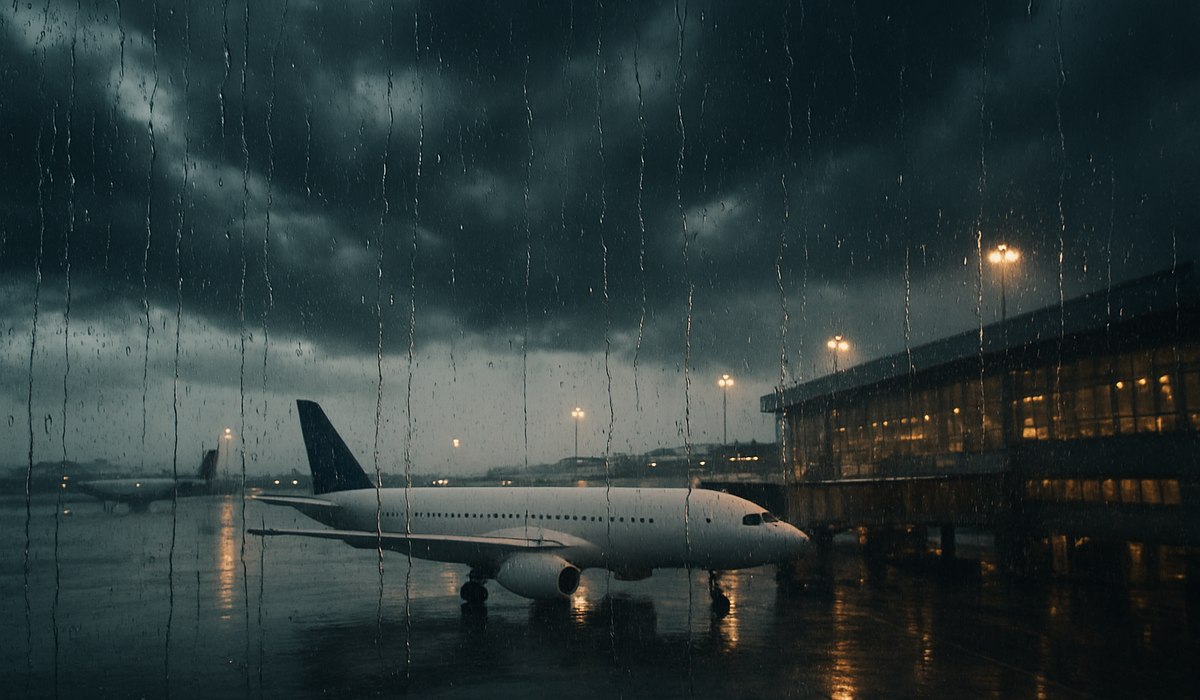
Image generated by AI
Severe Weather Creates Cascading Disruptions at India's Busiest Hub
Indira Gandhi International Airport in Delhi experienced unprecedented travel chaos on May 9, 2026, when intense thunderstorms and hail blanketed the Delhi-NCR region. Over 500 flights faced delays, affecting thousands of passengers traveling through India's primary aviation gateway. Both domestic and international carriers reported significant operational disruptions, with aircraft held on tarmac, flights diverted to alternate airports, and passengers enduring extended waits at overcrowded terminals.
The weather event compounded challenges across the entire northern and central Indian air network. Airlines struggled to manage cascading delays as crews and aircraft fell out of position, forcing rebooking challenges for passengers with missed connections to secondary cities and regional hubs.
Heavy Rain and Hail Trigger Cascading Delays at IGI
The morning of May 9 brought powerful convective storms characterized by heavy rainfall, frequent lightning, and localized hail accumulation over Delhi's approach corridors. Flight operations slowed considerably as visibility dropped below safe minimums and crosswinds intensified along both runways.
Aviation safety protocols require aircraft spacing during adverse weather to prevent accidents and ensure ground vehicle safety. This deliberate throttling of departures and arrivals, while necessary, creates substantial queue backlogs at high-capacity airports like IGI, which normally handles over 1,000 aircraft movements daily during peak season.
Tracking data from FlightAware showed departures from Delhi delayed by two to six hours. Inbound international flights were placed in holding patterns or rerouted to Bangalore, Mumbai, and Hyderabad. The 500-plus delay count encompassed both narrow-body regional flights and wide-body international services operated by carriers including IndiGo, Air India, SpiceJet, and foreign-flagged operators.
Ground Operations Hampered by Waterlogging and Equipment Congestion
Beyond the airspace challenges, Delhi airport's ground infrastructure faced severe strain. Access roads experienced waterlogging that delayed ground transportation for crew, maintenance personnel, and passenger transfers. Baggage handling equipment, refueling trucks, and catering vehicles moved sluggishly across wet aprons, extending turnaround times between aircraft arrivals and departures.
Aircraft stands became congested as inbound traffic accumulated faster than outbound flights could depart. With limited parking availability, several arriving aircraft had to orbit before securing gate access. This cascade effect forced turnaround times to stretch from typical 45-minute intervals to 90 minutes or longer, exponentially compounding delays throughout the operational day.
Ground crews worked in challenging wet conditions, and fatigue management became critical. Flight crews neared duty-time limitations, forcing airlines to cancel some services rather than violate flight-time regulations, which further disrupted the schedule recovery process.
Knock-On Effects Spread Delays Across Northern and Central India
The delhi flights weather disruptions radiated outward, affecting secondary airports across the region. Flights bound for Jaipur, Lucknow, Chandigarh, Bhopal, Indore, and Nagpur experienced secondary delays as aircraft and crews originally assigned to those services remained stranded in Delhi.
Passengers with tight connections through the capital faced the steepest impact. Travelers attempting to link domestic services to international flights missed departures entirely, creating rebooking nightmares during peak travel demand. Airlines reported overwhelmed customer service lines and insufficient seating on alternative flights, forcing multi-day travel delays for affected passengers.
The chaos extended into evening operations and threatened to bleed into May 10. Crews required rest periods between legal flight segments, and aircraft rotation schedules became hopelessly misaligned. Several airlines issued service advisories noting that schedule normalization could require 24-48 additional hours.
When Will Operations Return to Normal?
The India Meteorological Department indicated that pre-monsoon instability would persist through the evening of May 9, with thunderstorm potential remaining elevated through the afternoon hours. While the most severe hail-bearing cells were expected to weaken by early evening, atmospheric conditions remained sufficiently unstable for isolated convective redevelopment.
Current forecasts suggest that by May 10 morning, conditions should stabilize sufficiently for near-normal operations. However, ground equipment inspection, apron drying, and aircraft repositioning would require several additional hours. Airlines tentatively expected schedule normalization by afternoon on May 10, though some secondary impacts would likely persist.
Travelers should expect continued disruptions through the morning of May 10 and monitor their flight status closely via airline apps and FlightAware before heading to the airport. Weather-driven delays at upstream regional hubs feeding Delhi traffic could trigger additional indirect disruptions even after Delhi-area weather improved.
Why Heavy Rain and Hail Disrupt Flight Schedules Severely
Intense pre-monsoon convective activity creates multiple aviation hazards simultaneously. Heavy rainfall reduces visibility below operational minimums, affecting both instrument approaches and visual landing procedures. Wet runway surfaces increase aircraft braking distances and reduce friction coefficients, requiring longer separation between landing aircraft for safety.
Hail presents direct threats to aircraft structural integrity and engine safety. Updrafts and wind shear within active thunderstorm cells expose aircraft to severe turbulence and sudden directional changes, creating pilot workload spikes and potential loss-of-control risks. These factors necessitate conservative operational tactics including extended holding patterns, diversions around active cells, and temporary ground-hold measures.
Even brief operational suspensions during peak hours generate substantial delays at high-throughput facilities. A 30-minute ground stop affects roughly 500 aircraft across Delhi's system, creating delays that take hours to fully dissipate. Crew duty-time limitations and aircraft rotation constraints amplify this cascading effect across entire regional networks.
Traveler Action Checklist
If your flight touches Delhi airports during severe weather disruptions:
- Check your flight status immediately using your airline's mobile app or FlightAware before leaving for the airport
- Contact your airline directly via phone or chat for real-time rebooking options onto earlier or alternative flights
- Request accommodation letters from your airline if delays exceed 12 hours, qualifying you for meals, refreshments, and hotel stays under Indian aviation regulations
- Document all receipts for expenses incurred during weather delays to support future compensation claims
- Understand your passenger rights by reviewing the US DOT and FAA guidance on international flight disruptions
- Confirm connections 24 hours before departure if your onward flight originates elsewhere, as cascading delays may affect downstream routes
- Pack essential items in carry-on luggage in case checked baggage is delayed or rerouted to alternate airports
- Stay near airport contact information and keep your airline confirmation number readily accessible during weather events
Key Operational Data from May 9 Weather Event
| Metric | Value |
|---|---|
| Delayed Flights at IGI | 500+ (confirmed by tracking platforms) |
| Maximum Delay Duration | 6+ hours |
| Affected Airlines | IndiGo, Air India, SpiceJet, international carriers |
| Grounded Aircraft | 150+ parked on stands/holding patterns |
| Canceled Services | 30+ (crew duty-time limitations) |
| Secondary Airports Impacted | Jaipur, Lucknow, Chandigarh, Bhopal, Nagpur, Indore |
| Estimated Affected Passengers | 80,000+ across all Delhi-connected flights |
| **Peak Hour Spacing |
Disclaimer
This article is for informational and educational purposes only. It does not constitute legal, financial, or professional advice. While we strive to provide accurate and up-to-date information, travel policies, regulations, and conditions change rapidly. Always verify information with official sources before making travel decisions. Nomad Lawyer makes no representations about the accuracy, reliability, completeness, or suitability of the information provided. Readers should consult qualified professionals for advice specific to their circumstances. The views expressed in this article are those of the author and do not necessarily reflect the views of Nomad Lawyer.
Preeti Gunjan
Contributor & Community Manager
A passionate traveller and community builder. Preeti helps grow the Nomad Lawyer community, fostering engagement and bringing the reader experience to life.
Learn more about our team →