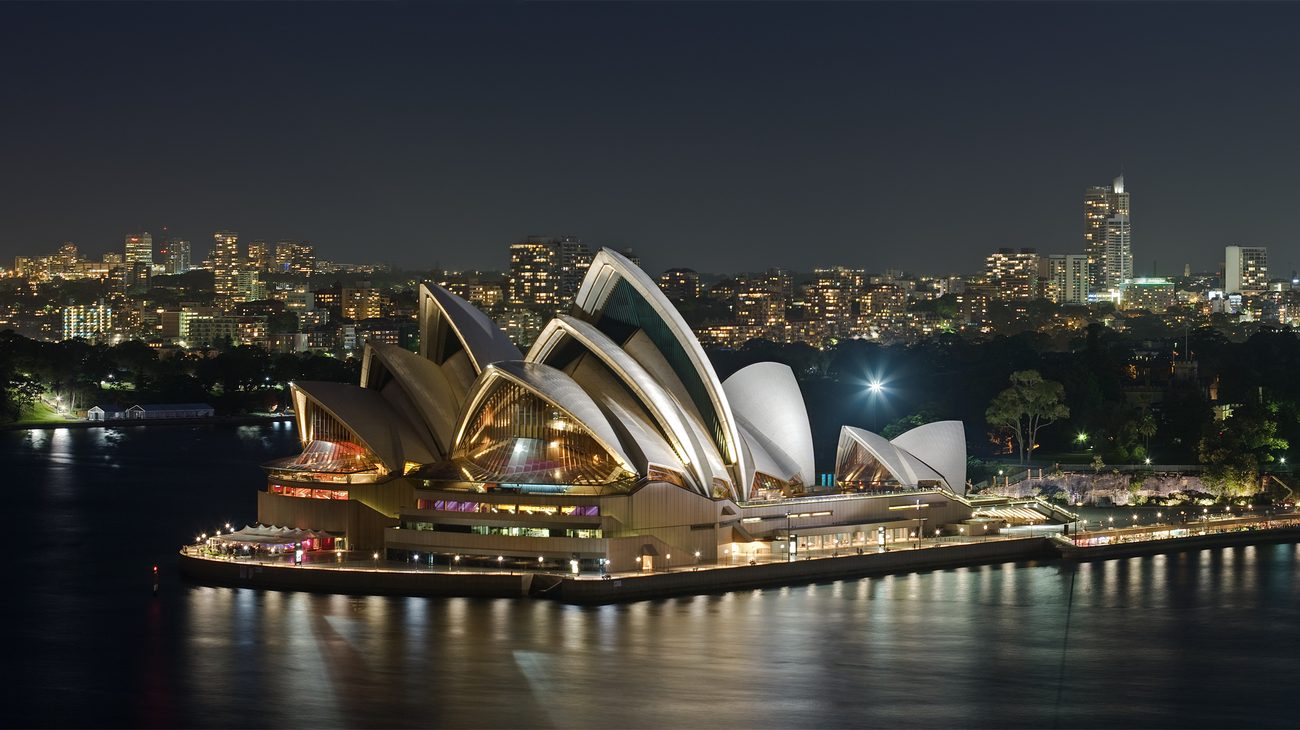
NSW Summer Hotel Escapes: How Coastal Stays in Sydney, Coogee, and Terrigal Drive New South Wales’s $47.8 Billion Domestic Visitor Economy

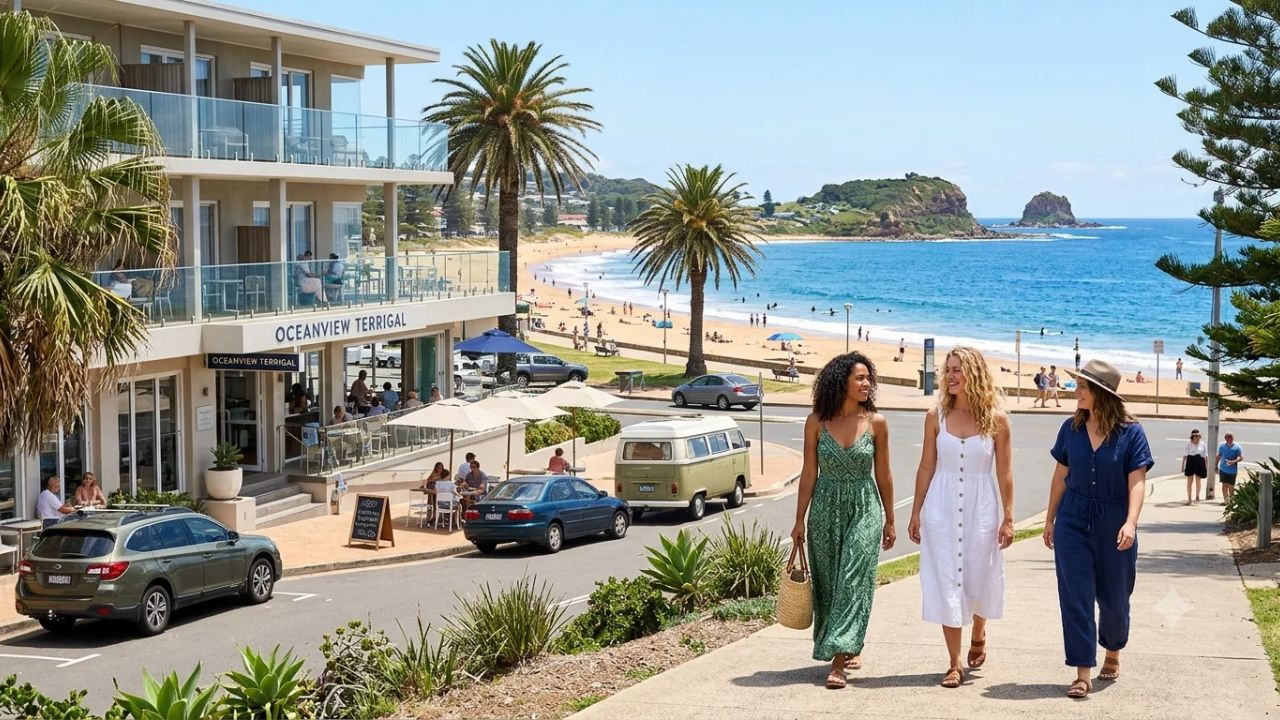
SYDNEY — As coastal temperatures climb across southeastern Australia ahead of the peak summer holiday season, New South Wales is experiencing a major expansion in domestic leisure demand, anchored by urban and coastal hotel escapes spanning Sydney, Coogee, and the Central Coast. Official economic metrics released by Destination NSW confirm that the state's domestic visitor economy reached an unprecedented A$47.8 billion in total annual expenditure for the year ending June 2026. Driven by 39.2 million domestic overnight visitors who recorded 119.2 million nights across the state, short-stay regional holidays have emerged as the foundational pillar of state tourism resilience.
Rather than committing to costly long-haul international flights or navigating crowded airport transit terminals, Australian households and regional travelers are prioritizing compressed, high-frequency coastal breaks. The summer travel season is further catalyzed by significant public transit enhancements, notably a confirmed expansion by Transport for NSW that introduces 187 additional weekly bus trips across the Central Coast beginning 22 November 2026. By connecting Sydney’s architectural heritage hotels, Coogee’s oceanfront walking trails, and Terrigal’s farm-to-table culinary esplanade, New South Wales is providing a compelling blueprint for accessible, high-yield domestic leisure travel.
The Macroeconomic Baseline: Spending and Trip Volume Divergence
To understand the operational dynamics of New South Wales summer hotel escapes, one must examine the broader economic currents shaping Australian consumer behavior. Tourism Research Australia (TRA) implemented a modernized National Visitor Survey methodology in January 2025, providing granular insights into traveler spending patterns and length-of-stay metrics.
The statewide annual performance figures for the year ending June 2026 highlight a massive domestic leisure market:
- Domestic Overnight Visitors: NSW welcomed 39.2 million overnight visitors, confirming the state’s position as Australia's premier travel destination.
- Visitor Nights: Travelers logged 119.2 million nights across commercial and private lodgings throughout the state.
- Overnight Visitor Spending: Direct overnight spending reached A$31.7 billion, representing approximately 66.3 percent of all domestic visitor expenditure.
- Total Domestic Expenditure: When combined with high-volume day-trip activity, total domestic visitor spend eclipsed A$47.8 billion.
- Average Length of Stay: Across all travel segments, the average domestic overnight stay in NSW stabilized at approximately 3.04 nights, illustrating the overwhelming popularity of compressed weekend getaways and multi-day short breaks.
However, national quarterly indicators reveal a complex structural divergence between headline expenditure and physical trip volume. Data from TRA for the June quarter of 2026 demonstrates that while Australian domestic overnight spending rose 2 percent year-on-year to reach A$25.7 billion, total domestic trips declined by 2 percent to 27.1 million, and total visitor nights fell by 2 percent to 89 million.
This divergence underscores the impact of persistent services inflation. Rising room rates, elevated dining expenses, and higher utility tariffs mean that while travelers are taking slightly fewer trips overall, their expenditure per holiday has increased. Within that national quarterly spend, commercial accommodation accounted for A$7.3 billion, while restaurant dining and takeaway food purchases absorbed A$3.8 billion. For hospitality operators in Sydney and regional coastal hubs, capturing this concentrated consumer spending requires offering transparent value, distinctive destination experiences, and seamless transit connectivity.
Looking ahead, Destination NSW has outlined an ambitious long-term objective through its Visitor Economy Strategy 2035, targeting A$91 billion in annual visitor expenditure by 2035. Achieving that benchmark depends heavily on expanding regional travel corridors and encouraging year-round leisure dispersal beyond traditional summer peaks.
NEW SOUTH WALES DOMESTIC VISITOR ECONOMY (JUNE 2026)
| Column 1 | Column 2 | Column 3 | Column 4 | Column 5 |
|---|---|---|---|---|
| VISITATION VOLUMES | EXPENDITURE PROFILE | TRIP CHARACTERISTICS | ||
| - 39.2 Million | - A$31.7 Billion | - 3.04 Nights | ||
| Overnight Visitors | Overnight Spending | Average Stay Length | ||
| - 119.2 Million | - A$47.8 Billion | - 66.3% Spend Share | ||
| Visitor Nights | Total Domestic Spend | from Overnights | ||
| - #1 Tourism State | - A$91 Billion Target | - High-Frequency | ||
| Across Australia | under Strategy 2035 | Short-Stay Focus |
Destination Corridor 1: Sydney CBD and Architectural Heritage Stays
For vacationers seeking an urban summer escape, the Sydney metropolitan center offers a sophisticated blend of harbor access, cultural programming, and repurposed architectural luxury. While the central business district historically relied on corporate business travelers, hotel operators have successfully repositioned heritage assets to capture affluent weekend leisure guests.
A prime example of this urban reinvention is the Kimpton Margot Sydney, situated within the heritage-listed former headquarters of the Sydney Water Board on Pitt Street. Constructed in the 1930s, the building represents one of the finest surviving examples of Art Deco commercial architecture in the country:
- Architectural Preservation: The property retains monumental Scagliola columns, intricate bronze detailing, and soaring plaster ceilings, seamlessly blending historic architectural elegance with contemporary boutique amenities.
- Urban Leisure Integration: Guests enjoy rooftop swimming facilities, open-air cocktail lounges, and destination dining (such as Luke Mangan's Luke's Kitchen), transforming the hotel from a simple overnight lodging into a self-contained urban retreat.
- Harbour and Cultural Proximity: Located within walking distance of Hyde Park, the Art Gallery of New South Wales, and the revitalized dining precincts of Surry Hills and Darling Harbour, urban hotel guests can combine museum visits with world-class dining, bypassing the heavy vehicular traffic typical of summer coastal corridors.
To optimize weekend occupancy, metropolitan hoteliers have developed tailored leisure packages that bundle late checkout privileges, complimentary craft beverage hours, and bespoke guided walking tours of the city’s architectural secrets.
Destination Corridor 2: Coogee Beach and Coastal Recreational Corridors
Located just eight kilometers southeast of the Sydney CBD, Coogee Beach provides a relaxed coastal sanctuary that feels worlds away from the urban commercial core. Anchored by wide golden sands, historic ocean baths, and sweeping headland panoramas, Coogee has evolved into a premier summer escape for domestic travelers who desire immediate ocean access without sacrificing metropolitan dining sophistication.
The Bondi to Coogee Coastal Walk: Accessibility and Logistics
The undisputed centerpiece of Coogee’s outdoor appeal is the world-renowned Bondi to Coogee Coastal Walk. Extending across six kilometers of dramatic sandstone cliff line, the pedestrian route connects five distinct coastal bays: Bondi, Tamarama, Bronte, Clovelly, and Coogee.
However, planning for the walk demands realistic assessment of physical terrain and accessibility:
- Duration and Elevation: The traverse generally requires between two and three hours to complete at a moderate pace, allowing time for photography and scenic pauses.
- Physical Demands: The trail features steep inclines, uneven natural sandstone steps, and multiple staircases, particularly along the cliffs flanking Gordon’s Bay and Tamarama.
- Accessibility Constraints: Due to these vertical stairways, the entire six-kilometer route is unsuitable for wheelchairs, mobility scooters, and standard children's prams. Visitors with limited mobility should utilize accessible paved sections, such as the flat, wide boardwalk promenade along the beachfront at Coogee or the paved perimeter surrounding Bronte Park.
Ocean Baths, Dining, and Beach Safety
Coogee offers exceptional marine amenities, highlighted by Wylie’s Baths, a historic tidal ocean pool established in 1907. Perched beneath the coastal cliffs at the southern end of the beach, Wylie's Baths provides a protected saltwater swimming environment complete with raised wooden sun-lounging decks and sweeping views toward Wedding Cake Island.
Along the beachfront esplanade, the culinary landscape is anchored by the Coogee Pavilion, a multi-level lifestyle venue operated by Merivale. Featuring casual ground-floor woodfired dining, family-friendly recreation, and an adult-only rooftop bar overlooking the surf, the venue exemplifies how coastal hospitality assets attract broad multi-generational traveler demographics.
Surf Life Saving and Flag Discipline
Water safety is paramount across New South Wales beaches. The 2026–2027 volunteer surf lifesaving patrol season officially commenced on 26 September 2026, deploying qualified lifesavers across coastal beaches every weekend and public holiday through April.
Travelers swimming at Coogee or neighboring beaches must strictly observe official beach safety regulations:
- Always swim between the red and yellow flags, which mark the safest water zones surveyed and monitored by active lifesavers.
- Avoid swimming outside flagged areas, as powerful offshore rip currents can form rapidly along the southern and northern headlands.
- Comply with warning signage regarding marine stingers (such as bluebottles) and obey emergency beach closures issued during heavy ocean swell conditions.
| Coastal Corridor | Key Geographic Focus | Signature Attraction | Accessibility Baseline | Primary Safety Protocol |
|---|---|---|---|---|
| Sydney CBD | Pitt Street & Circular Quay | Kimpton Margot & Art Gallery NSW | Fully wheelchair accessible via city sidewalks | Pedestrian light compliance; heat hydration |
| Coogee Beach | Eastern Suburbs Coastline | Bondi–Coogee Walk & Wylie's Baths | Paved beachfront flat; 6km walk has steep stairs | Strictly swim between red & yellow flags |
| Terrigal | Central Coast Promontory | Terrigal Esplanade & The Skillion | Boardwalk paved; Skillion lookout has steep steps | Monitor tidal currents; use patrolled beach zones |
Destination Corridor 3: Terrigal and the Central Coast Hinterland
Situated approximately 90 minutes north of Sydney along the M1 Pacific Motorway and the Northern Railway Line, the coastal town of Terrigal represents the commercial and recreational heart of the Central Coast. With its sweeping crescent beach, protected ocean inlet, and elevated coastal headland, Terrigal offers an idyllic seaside holiday environment for Sydney motorists and regional families.
The Skillion Lookout and Oceanfront Promenade
Terrigal’s defining natural landmark is The Skillion, a dramatic natural promontory rising steeply from the ocean’s edge at Terrigal Haven. A paved stairway leads visitors up the ridgeline to an elevated viewing platform providing 360-degree panoramic views across the Pacific Ocean, north toward Wamberal Beach and south toward Avoca. During winter and spring, the lookout serves as a prime vantage point for migrating humpback whales; during summer, it offers refreshing ocean breezes and sunset vistas across the Central Coast hinterland.
Beneath the headland lies Terrigal Haven, a calm, sheltered bay favored by scuba divers, stand-up paddleboarders, and small recreational boaters. The Haven connects directly to the main ocean beach via a wide, timber-planked ocean boardwalk, allowing visitors to stroll effortlessly from calm marine inlets to the surf beach.
Gastronomic Ecosystem and Regional Farm Sourcing
Terrigal’s hospitality sector has evolved far beyond traditional fish-and-chip beach kiosks. The town features sophisticated seaside dining establishments, led by venues such as Meribella, located inside the Crowne Plaza Terrigal Pacific.
The restaurant’s culinary philosophy exemplifies regional economic integration:
- Local Central Coast Sourcing: Kitchens source fresh seafood landed directly at local wharves, seasonal fruits from Central Coast orchards, and artisanal cheeses from regional dairy producers.
- Hunter Valley Wine Linkages: Wine lists highlight premium vintages from the adjacent Hunter Valley, Australia's oldest commercial wine-growing region, situated less than an hour's drive inland.
- Regional NSW Agriculture: Menus celebrate pasture-fed beef from the New England tablelands and lamb from the Riverina, establishing a tangible economic conduit that funnels coastal visitor spending directly into regional inland agricultural communities.
Infrastructure Game-Changer: Transport for NSW Central Coast Bus Expansion
A critical development transforming the viability of Central Coast hotel escapes is a comprehensive public transport expansion announced by Transport for NSW. Published on 4 November 2026 and scheduled for formal introduction on 22 November 2026, the transit upgrade introduces 187 additional weekly bus trips across four primary Central Coast routes.
Enhanced Connectivity for Routes 67 and 68
The most impactful changes center on Routes 67 and 68, which provide direct transit connections between the primary regional rail interchange at Gosford Station and the coastal resort hub of Terrigal:
- Combined 30-Minute Daytime Frequency: Operating hours have been substantially widened, providing a coordinated, combined 30-minute departure frequency seven days a week from early morning until late evening.
- Late-Night Weekend Services: To support evening dining, nightlife, and regional hospitality staff, the network introduces hourly services running until 3:00 AM on Friday and Saturday nights.
- Car-Free Holiday Feasibility: By aligning bus timetables with express rail services arriving at Gosford from Sydney Central Station (a 75-minute train journey), holidaymakers can execute completely car-free summer weekend getaways. Travelers bypass the notoriously congested M1 Pacific Motorway and eliminate the frustration of searching for scarce beachfront parking along Terrigal Esplanade.
TRANSPORT FOR NSW CENTRAL COAST TRANSIT OVERHAUL
| Column 1 | Column 2 | Column 3 | Column 4 | Column 5 |
|---|---|---|---|---|
| - 187 Additional | - Direct link between | - Hourly Friday & | ||
| Weekly Bus Trips | Gosford & Terrigal | Saturday services | ||
| - 4 Primary Routes | - 30-Minute combined | - Operating until | ||
| Upgraded across | frequency throughout | 3:00 AM | ||
| the Central Coast | day and evening | - Supports dining & | ||
| - Seamless train-to- | - Synchronized with | hospitality workers | ||
| bus rail transfers | Sydney Central rail | - Eliminates parking | ||
| at Gosford Station | express services | beach gridlock |
Essential Practical Advice for Summer Hotel Vacationers
To ensure a seamless, cost-effective summer holiday across New South Wales, domestic and international travelers should apply a rigorous planning checklist:
1. Scrutinize Complete Room Inclusions and Booking Terms
Before confirming accommodation reservations, examine the full breakdown of charges. Confirm whether base rates include continental breakfast, check for mandatory weekend minimum-night stay requirements (common during peak December and January dates), and clarify on-site vehicle parking fees, which can add A$40 to A$70 per night in downtown Sydney hotels. Review cancellation flexibility, particularly regarding severe weather contingencies.
2. Verify Physical Accessibility Requirements
If traveling with elderly companions, young infants in prams, or individuals with mobility restrictions, assess destination terrain in advance. While Sydney CBD hotels and the Terrigal beachfront promenade feature comprehensive step-free access, the full Bondi to Coogee walk is entirely inaccessible to wheeled transport due to cliffside staircases. Plan modular walks along flat headland segments instead.
3. Leverage Digital Transit Tools
Utilize the official Transport for NSW Trip Planner app or website (transportnsw.info) to check real-time service updates, bus platform changes, and express train timetables. Ensure you carry an active Opal card, or simply tap on and tap off using contactless credit cards, debit cards, or linked mobile wallets, which automatically apply daily and weekly travel fare caps across trains, buses, ferries, and light rail.
4. Respect Beach Lifeguard Instructions and Heat Safety
Australian summer sun is exceptionally intense. Apply broad-spectrum SPF 50+ water-resistant sunscreen every two hours, wear wide-brimmed hats, and maintain constant hydration. When entering the ocean, swim exclusively between the red and yellow flags, observe lifeguard whistle signals, and supervise young children vigilantly near the shore break.
5. Differentiate Domestic Bookings from International Visa Rules
For international travelers arriving in Australia before embarking on a NSW coastal holiday, remember that a confirmed domestic hotel reservation carries zero immigration standing. Non-resident travelers must independently secure appropriate travel authorization—such as an Electronic Travel Authority (ETA Subclass 601), eVisitor (Subclass 651), or Visitor Visa (Subclass 600)—prior to boarding international flights to Australia. Ensure passports maintain recommended validity before departure.
Summary Assessment: The Resilience of New South Wales Coastal Tourism
The continuing momentum of New South Wales summer hotel escapes illustrates the vitality and adaptability of Australia’s domestic visitor economy. By pairing the cosmopolitan sophistication of Sydney’s heritage hotels with the relaxed coastal allure of Coogee Beach and the scenic seaside dining of Terrigal, the state delivers diverse holiday experiences suited to changing consumer preferences.
Importantly, public investments in enhanced transit infrastructure—exemplified by Transport for NSW’s 187-trip bus expansion across the Central Coast—prove that sustainable tourism growth relies on practical connectivity as much as scenic beauty. As the summer season gets underway, travelers who plan proactively, respect coastal safety guidelines, and embrace public transit alternatives will unlock the very best of New South Wales, contributing to a thriving A$47.8 billion visitor economy that powers local communities from the harbor to the hinterland.
Related Travel Guides
- Sydney Architectural Walking Guide: Art Deco Masterpieces and Historic Heritage Hotels
- New South Wales Coastal Walks: Bondi, Coogee, and Royal National Park Coastal Tracks
- Central Coast Food and Wine Trail: Farm-to-Table Dining from Terrigal to Hunter Valley
- Australia Maritime Biosecurity and Border Entry Rules: Essential 2026 Passenger Guide
This article is for informational purposes. Flight routes, passenger regulations, visa rules, and transit advisories are subject to change by airlines and aviation authorities. Readers are advised to verify schedules and travel documentation with relevant carriers and border agencies before departure.
Related Stories


Zanzibar Mandates High-Definition CCTV Surveillance for All Tourist Accommodations Ahead of December 15 Deadline