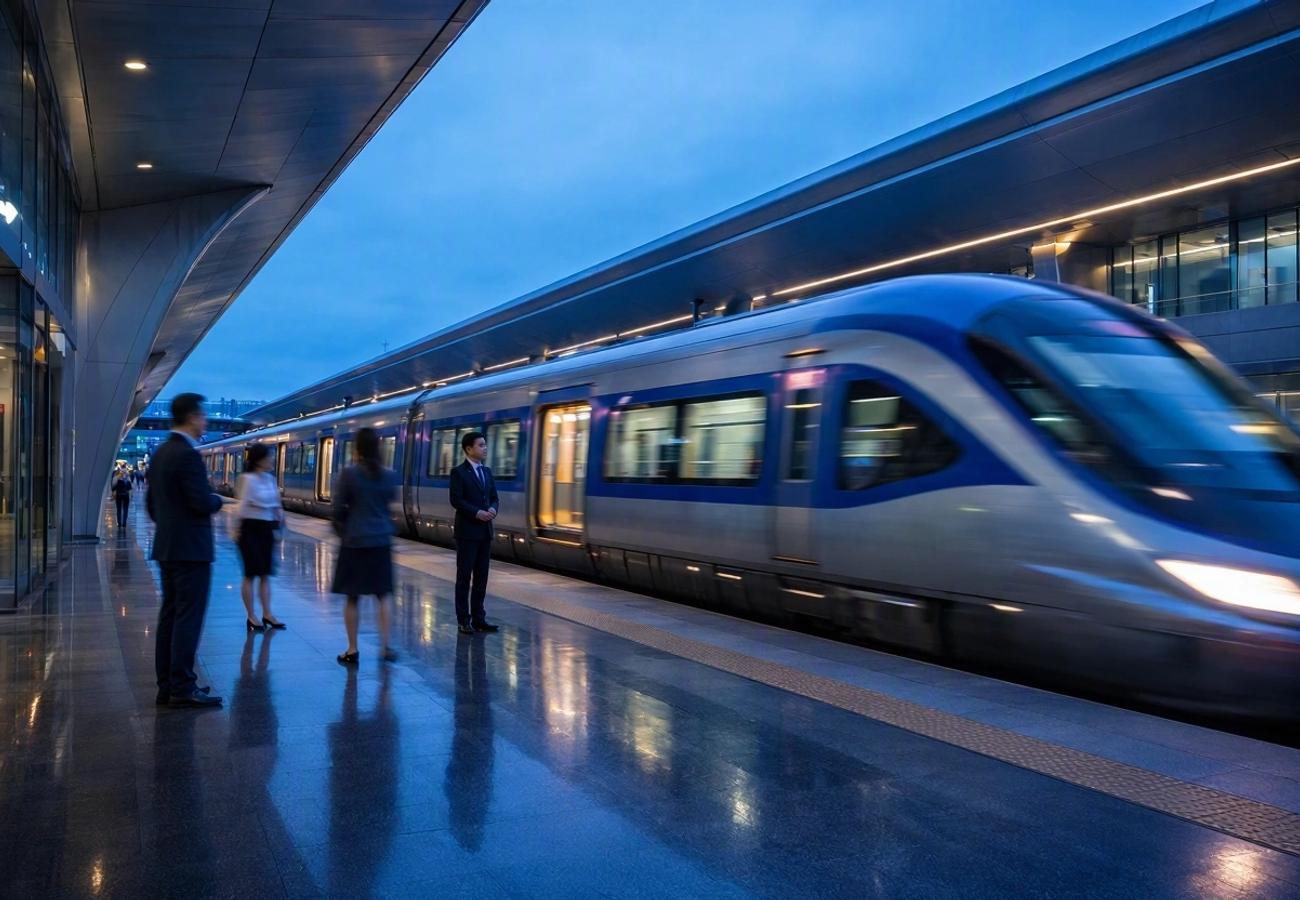
China Expands High-Speed Rail Network with 4 New Corridors in Xiong’an, Xi’an, Yichang and Harbin 2026

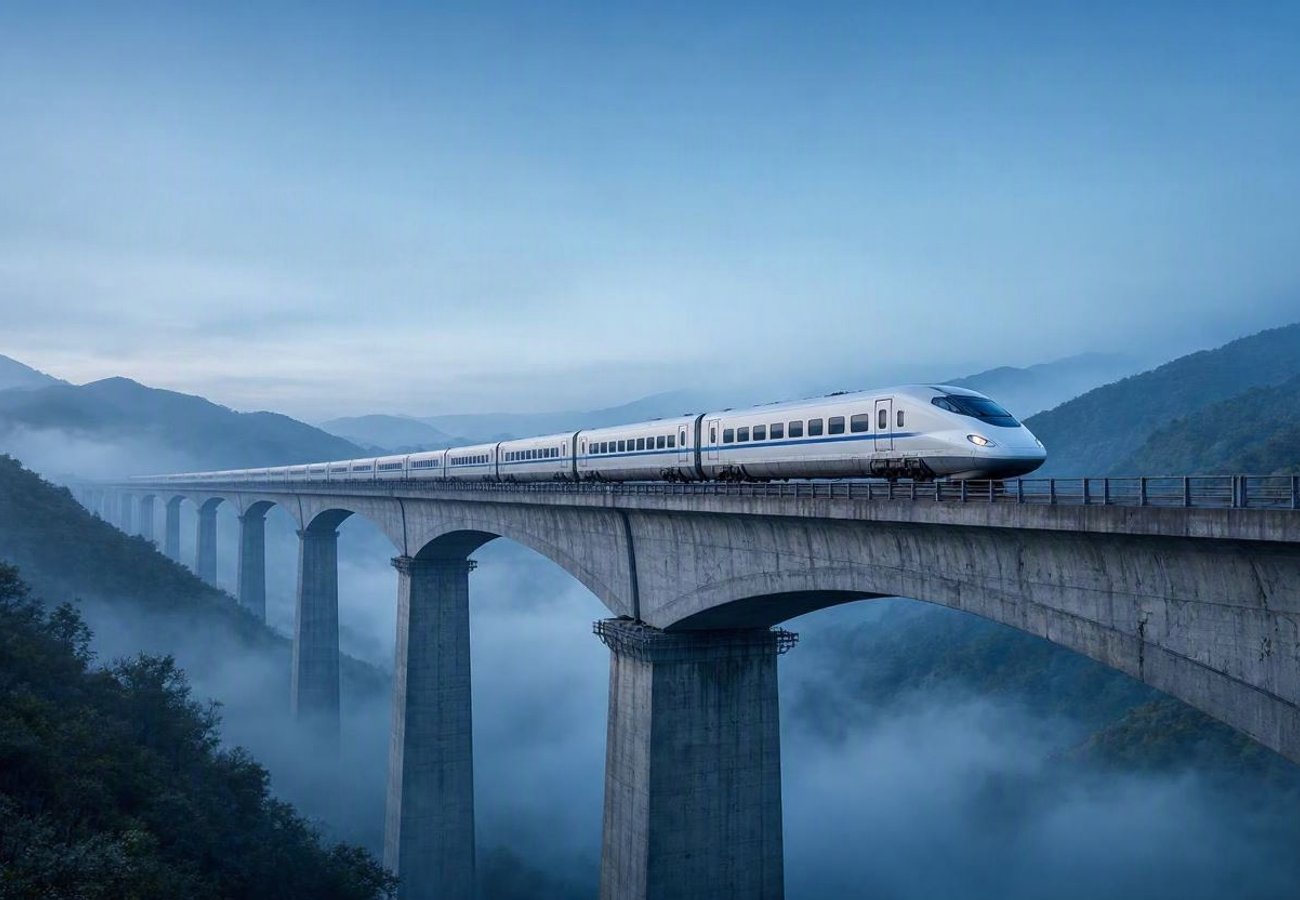
Image generated by AI
A traveler planning a trip from the historic center of Xi’an to the scenic peaks of the Qinling Mountains previously faced a grueling three-hour journey through winding roads. As of September 28, 2026, that same trip now takes just 45 minutes thanks to the activation of the Xi’an–Ankang high-speed corridor. This shift represents a broader strategic pivot in Chinese infrastructure, moving beyond connecting mega-cities to integrating remote, mountainous, and ecological zones into the national transit grid.
China’s Strategic Rail Expansion of September 2026
On September 28, 2026, China officially inaugurated four new high-speed rail (HSR) corridors, with the longest single stretch measuring 1,417 km. This expansion is not merely about speed but about accessibility; the new lines penetrate northern, northwestern, central, and northeastern territories, linking underdeveloped prefectures—particularly those in rugged terrain—to the primary economic hubs.
With these additions, China now accounts for approximately 76% of the total high-speed railway lines globally. These projects are integral components of the "Eight Vertical and Eight Horizontal" strategic framework, a master plan designed to create a seamless, integrated transport web across the mainland. By reducing reliance on slow road transit and multi-leg connections, the state is effectively redistributing tourism traffic from overcrowded urban centers to emerging regional destinations.
Route Specifications and Regional Impact
The new corridors vary significantly in engineering complexity, ranging from the cold-climate challenges of the far north to the bridge-heavy requirements of the central mountains.
| High-Speed Rail Section | Region Connected | Distance | Max Speed | Primary Travel Impact |
|---|---|---|---|---|
| Xiong’an–Shangqiu | Hebei to Henan via Shandong | 552 km | 350 km/h | Links Xiong’an New Area to the Beijing–Hong Kong corridor |
| Xi’an–Ankang | Shaanxi Province | 171 km | 350 km/h | Cuts travel time from 3+ hours to 45 minutes via Qinling Mountains |
| Yichang–Xingshan | Hubei Province | 109.4 km | 350 km/h | Enhances access to the Three Gorges and Yangtze River zones |
| Harbin–Yichun | Heilongjiang Province | 318 km | 250 km/h | Reduces travel from 7 hours to 2 hours in extreme cold climates |
Your Rights as a Passenger in China
While China's rail network is world-leading in speed, passengers should be aware of the regulatory environment governing their travel. Unlike the European Union's EU261/2004, China does not have a mirrored "automatic compensation" law for delays or cancellations. However, passengers are protected under the China Railway (CR) general terms of carriage.
Key Passenger Protections:
- Refunds: If a train is canceled or significantly delayed, passengers are generally entitled to a full refund of the ticket price.
- Re-routing: In the event of a disruption, the carrier typically attempts to rebook the passenger on the next available service.
- Ticketing: For international travelers, it is highly recommended to use official channels or verified platforms like Trip.com to ensure valid identity verification (Passport) is linked to the ticket, as China's HSR system is strictly identity-based.
For those coordinating complex itineraries, checking real-time status via Flightradar24 (for air-to-rail connections) or official CR apps is essential to avoid stranded scenarios in remote regions like Yichun or Xingshan.
Rebooking Strategy and Travel Logistics
The integration of these four lines changes the logic of touring China. Travelers can now employ "Hub-and-Spoke" itineraries rather than linear paths.
Practical Routing Advice:
- The Northeast Loop: Instead of basing yourself solely in Harbin, use the new Harbin–Yichun line to create a 48-hour ecological retreat in Yichun, returning to Harbin for your flight out.
- The Shaanxi Shortcut: If visiting the Terracotta Army in Xi’an, you can now add a day trip to Ankang's nature reserves without sacrificing a full day to road travel.
- Three Gorges Access: Use the Yichang–Xingshan line to bypass road congestion when heading toward the deeper Yangtze river valleys.
Refund vs. Rebooking Trade-off: Given the high frequency of HSR services, rebooking is almost always preferable to requesting a refund and seeking alternative road transport. Road travel in regions like the Qinling Mountains remains significantly slower and more prone to weather-related closures than the tunnel-heavy HSR lines.
FAQ: China HSR Expansion 2026
Am I entitled to compensation for HSR delays in China? Unlike EU flights, there is no statutory cash compensation for delays. You are entitled to a refund if the train is canceled or significantly delayed, but not additional "inconvenience" payments.
How do I book tickets for the new Harbin-Yichun or Xi'an-Ankang lines? Tickets can be purchased via the official 12306 China Railway app or website. Ensure your passport details are accurately entered, as physical or digital passports are required for boarding.
Are these new trains accessible for passengers with reduced mobility? Most new HSR stations and trains in the 2026 expansion are designed with modern accessibility standards, including elevators and designated spaces for wheelchairs.
What happens if I miss my connection due to a rail delay? The railway does not typically cover hotel costs for missed flight connections. It is advised to leave a 4-6 hour buffer when transitioning from the new HSR lines to international airports.
The era of the "isolated province" is ending as China's steel ribbons reach the furthest forests and highest peaks.
Related Travel Guides
This article is for informational purposes. Flight routes, passenger regulations, visa rules, and transit advisories are subject to change by airlines and aviation authorities. Readers are advised to verify schedules and travel documentation with relevant carriers and border agencies before departure.
Related Stories
Japan Announces Major Narita Express Service Changes for November 6–8 as Tokyo Tunnel Repairs Sever Direct Lines
Hastings Line Reopens: Grove Hill Tunnel Repairs Complete Major Kent and East Sussex Rail Upgrades