
Cape Town Cruise Hub 2026: R1.79 Billion GDP Boost and Record 145,000 Passenger Influx
Cape Town has cemented its status as Africa's premier maritime gateway, injecting R1.79 billion into the regional GDP through record-breaking cruise volumes and strategic port diversification.

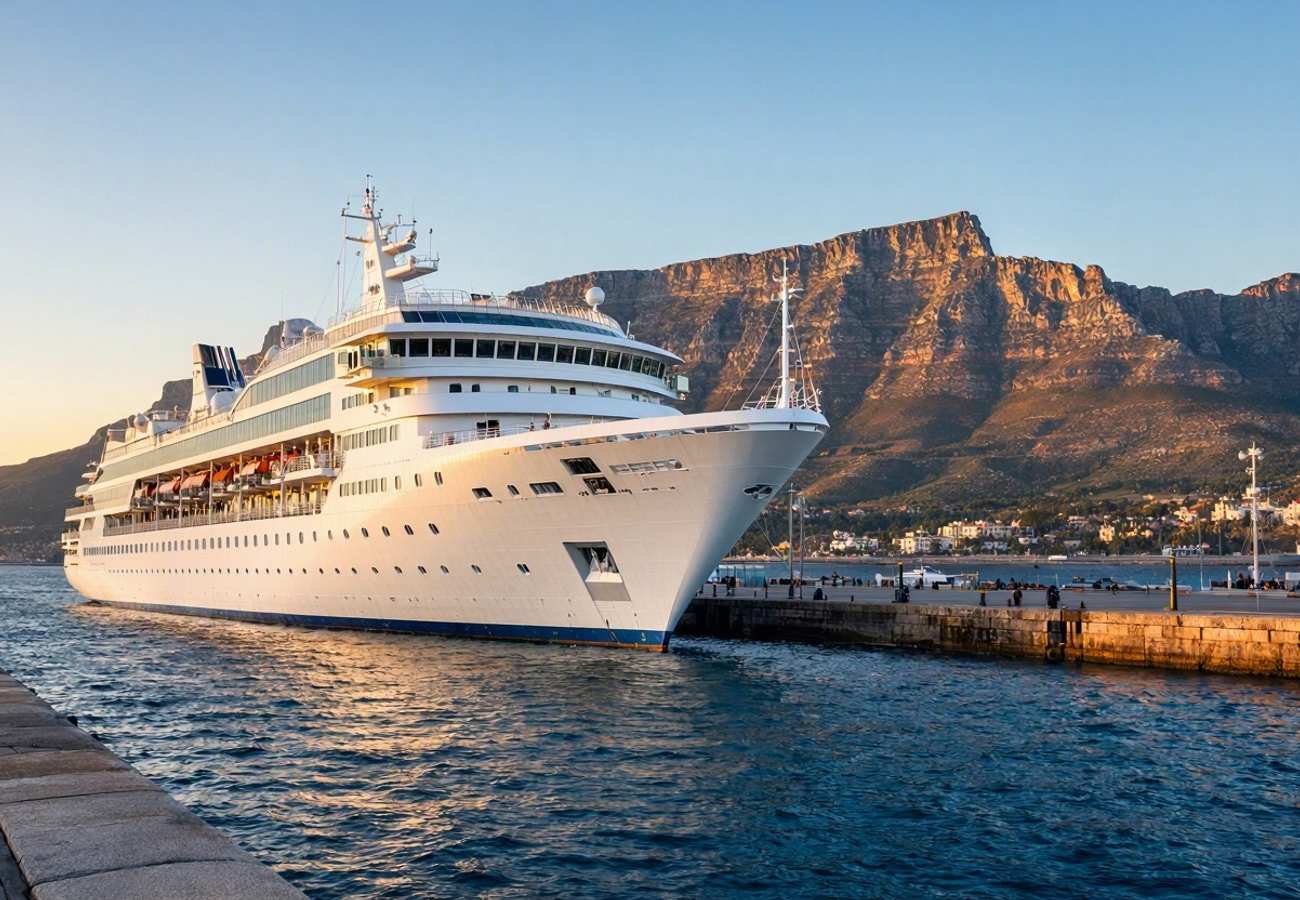
Image generated by AI
The colors of the Atlantic and the slopes of Table Mountain shift in a spectrum that defies a single description, but for the 145,000 passengers arriving by sea, the real magic is the city's seamless transition from a rugged outpost to a world-class maritime hub. While most visitors stick to the primary docks, the real story of Cape Town's recent success lies in its aggressive push to move luxury liners beyond the city center into the quiet reaches of the coast.
The Maritime Shift: Beyond the Main Dock
Cape Town is no longer just a single-stop destination; it has evolved into a coordinated regional network. The city has successfully pivoted from a centralized model to a decentralized one, pushing maritime traffic toward secondary ports. This strategic dispersal ensures that the economic windfall of the cruise industry doesn't just stay within the city limits but reaches smaller, authentic coastal communities.
Towns like Hermanus, Mossel Bay, and Saldanha Bay are now seeing a renaissance. By opening these smaller ports to international liners, the region has managed to offer travelers a more intimate look at South African life while shielding the main hub from over-congestion. This isn't just about logistics; it is about spreading wealth to local artisans and family-run guesthouses who previously existed on the periphery of the tourism map.
The Economic Engine of the Western Cape
The financial data from recent operational windows reveals the sheer scale of this industry. The cruise sector has become a cornerstone of regional stability, acting as a direct pipeline for foreign investment and consumer spending.
Maritime Impact by the Numbers
| Metric | Value/Statistic | Scope |
|---|---|---|
| Provincial GDP Injection | R1.79 Billion | Western Cape Region |
| Total Passenger Volume | 145,000+ | Peak Operational Season |
| Total Ship Visits | 79 | Main Terminal |
| Secondary Port Passengers | 32,000+ | Mossel Bay, Hermanus, Saldanha Bay |
| Secondary Port Ship Visits | 26 | Small-scale coastal locations |
| Micro-Economic Revenue | R47.5 Million | Community vendors in secondary ports |
| Operational Efficiency Gain | 20% Year-over-Year | Port turnaround and customs |
This massive injection of R1.79 billion into the provincial GDP is the result of a tight synergy between the City of Cape Town and private entities. The coordination between Wesgro, Cruise Cape Town, and the V&A Waterfront has reduced bureaucratic friction, allowing mega-liners to turn around faster and passengers to spend more time exploring the city.
Visitor Insider Tips
Having spent significant time watching the rhythms of the port, I've noticed that the "tourist track" often misses the best parts of the city. To experience Cape Town like a local, avoid the immediate vicinity of the cruise terminal during peak disembarkation hours.
Timing and Crowds: The "Changing of the Guard" is a spectacle, but to avoid the crush, head to the city's outskirts early. If you are docking in the morning, prioritize a trip to the Kirstenbosch National Botanical Garden before the midday heat and the tour buses arrive.
Neighborhood Base: While the V&A Waterfront is the most convenient, look toward the Bo-Kaap neighborhood for a burst of color and history. It offers a stark, beautiful contrast to the blue of the ocean and the grey of Table Mountain.
Local Etiquette: When visiting smaller ports like Hermanus or Mossel Bay, remember that these are tight-knit communities. A slower pace of interaction and genuine curiosity about local crafts are highly valued over the fast-paced consumerism of the main city.
Transport Hack: Avoid the airport-style shuttle traps. Use registered ride-sharing apps or pre-arranged transport through your cruise line to ensure fair pricing, especially when venturing to the Cape Peninsula.
Cultural and Environmental Context
The surge in maritime traffic brings a complex challenge: balancing record-breaking growth with environmental stewardship. With 79 ship visits in a single season, the pressure on the coastline is immense. The shift toward secondary ports is not only an economic strategy but an environmental one, preventing the "over-tourism" of a single point.
Furthermore, the collaboration between public authorities and private enterprises is focused on ensuring that the R47.5 million generated in smaller ports actually reaches the community. By prioritizing local vendors over international franchises in these secondary hubs, the region is attempting to preserve the cultural authenticity that makes South Africa a premier destination. The integration of maritime tourism into the broader UNESCO World Heritage context of the region ensures that growth does not come at the cost of heritage.
FAQ: Visiting Cape Town 2026
What is the best time to visit Cape Town by cruise? The Southern Hemisphere summer (November to March) is peak season, offering the best weather for Table Mountain. However, the "shoulder" months of October and April provide fewer crowds and stunning colors.
Do I need a visa for South Africa? Visa requirements vary by nationality. Many passport holders from the EU, US, and UK enter visa-free for tourism. Always check the official South African embassy site for your specific citizenship.
How do I get from the port to the city center? The V&A Waterfront is centrally located. You can walk to many attractions or use a short Uber/taxi ride to reach the CBD. For secondary ports, pre-arranged shuttles are the most reliable option.
Is it safe for solo travelers? Yes, provided you stay in well-traveled areas and use reputable transport. Avoid walking alone in secluded areas after dark and keep valuables discreet, as is standard in any major global city.
The mountain may stand still, but the city beneath it is moving faster than ever.
Related Travel Guides
Disclaimer
This article is for informational and educational purposes only. It does not constitute legal, financial, or professional advice. While we strive to provide accurate and up-to-date information, travel policies, regulations, and conditions change rapidly. Always verify information with official sources before making travel decisions. Nomad Lawyer makes no representations about the accuracy, reliability, completeness, or suitability of the information provided. Readers should consult qualified professionals for advice specific to their circumstances. The views expressed in this article are those of the author and do not necessarily reflect the views of Nomad Lawyer.
Kunal K Choudhary
Co-Founder & Contributor
A passionate traveller and tech enthusiast. Kunal contributes to the vision and growth of Nomad Lawyer, bringing fresh perspectives and driving the community forward.
Learn more about our team →