
African Cruise Capacity Surges Past 127,000 Passengers in 2026: Cape Town and Mombasa Lead Growth
African cruise capacity has exceeded 127,000 passengers in 2026, with Cape Town and Mombasa transforming from technical stops into primary luxury destinations.

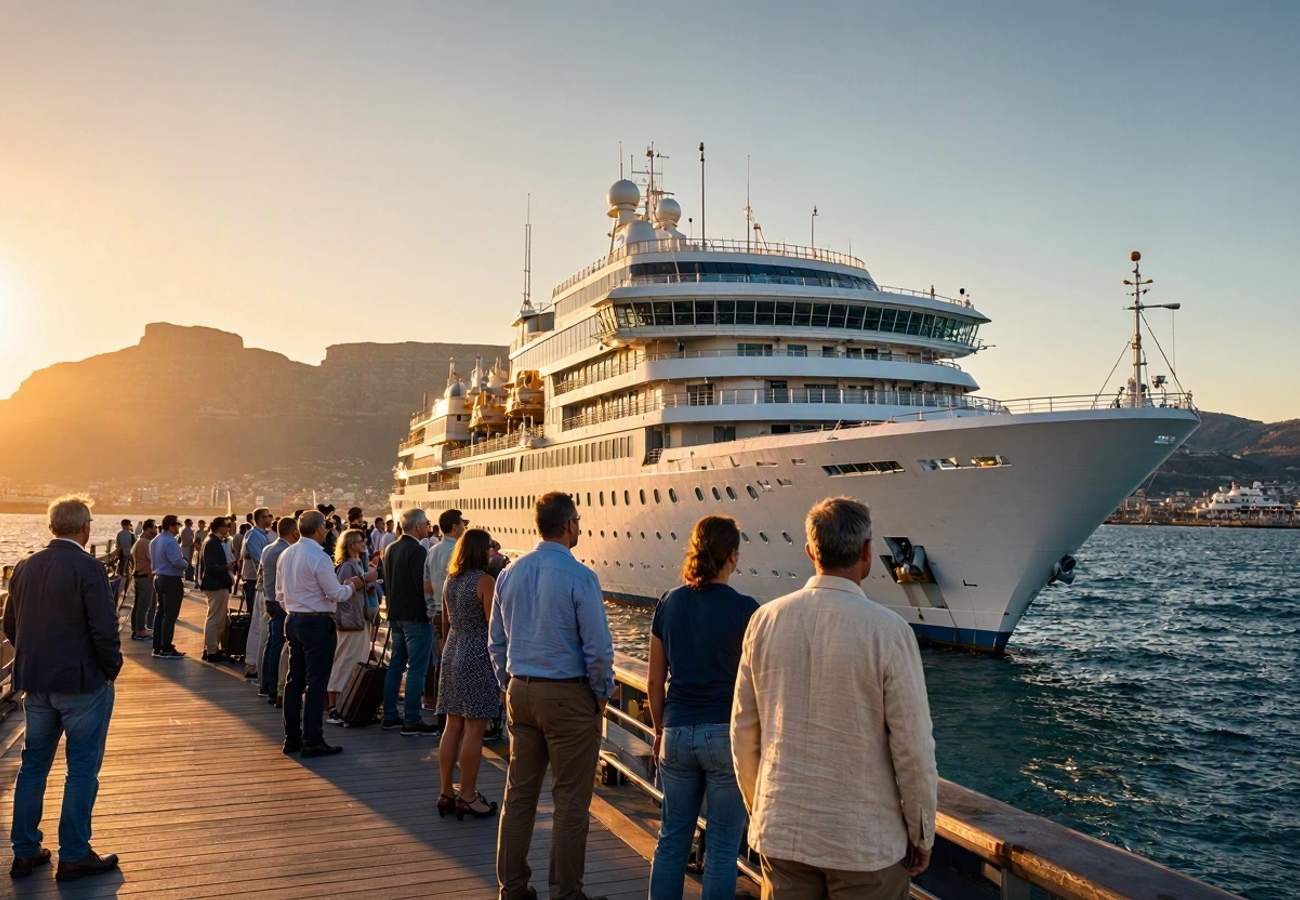
Image generated by AI
Most international travelers still view African ports as mere technical stops, but the reality has shifted: African cruise capacity has surged beyond 127,000 passengers in 2026. This massive influx is turning coastal hubs like Cape Town and Mombasa into primary destinations, forcing a complete overhaul of how shore excursions and local infrastructure are managed.
The Shift Toward High-Yield Maritime Tourism
The African maritime sector is no longer a niche market. By October 2026, the continent has moved away from being a transit point for ships repositioning between Europe and the Caribbean. Instead, strategic investments in port security and streamlined customs have made it possible for ultra-luxury liners to dock and stay.
The economic trajectory is steep. Industry forecasts project the African cruise market will reach a value of USD 3.5 billion by 2030, maintaining a compound annual growth rate (CAGR) of 8.2%. This growth is driven by a shift in passenger demographics; cruise travelers typically possess higher disposable incomes than budget tourists, providing a direct financial boost to high-end restaurateurs and specialized local guides.
Cape Town: The Southern Gateway's New Era
The 2026/27 season in the Western Cape opened with a significant cultural marker: the arrival of the Pacific World. Operated by the Japan-based Peace Boat, this vessel brought 1,397 passengers primarily from Japan. Unlike traditional leisure cruises, the Peace Boat focuses on sustainable development and human rights, signaling a rise in purpose-driven travel to the region.
The financial impact of these arrivals is staggering. According to data from Wesgro, the 2024/25 season alone contributed R1.79 billion to the Western Cape’s Gross Domestic Product per Region (GDP-R). While the 2025/26 audited figures are still pending, the trend indicates a continuous upward climb in revenue that extends from the V&A Waterfront into the Cape Winelands.
East African Renaissance in Mombasa
While the south is booming, the Port of Mombasa is seeing an even more aggressive recovery. The Kenya Tourism Board reported a 140% spike in cruise tourism during 2025, with 2026 indicators showing even higher momentum.
The secret to Mombasa's success is the "port-to-park" pipeline. Kenya has successfully integrated its maritime arrivals with inland safari experiences, positioning the port as the primary gateway to Tsavo National Park. This model is now being mirrored in Mozambique, particularly in Maputo, where stopovers are being converted into multi-day luxury excursions.
Regional Cruise Performance Metrics
The following table outlines the current operational and economic status of key African maritime hubs as of late 2026.
| Port City | Key Metric | 2025/26 Performance/Impact | Primary Market Driver |
|---|---|---|---|
| Cape Town | GDP Contribution | R1.79 Billion (2024/25) | Luxury Winelands & Urban Tourism |
| Mombasa | Visitor Growth | 140% Increase (2025) | Integrated Safari Gateways |
| Maputo | Strategy | Transition to Primary Stop | Regional Luxury Excursions |
| Africa (Total) | Market Value | USD 3.5 Billion (Proj. 2030) | High-Yield International Demographics |
Visitor Insider Tips
For those arriving via cruise in 2026, the "tourist bubble" is becoming crowded. To experience these cities through a local lens, follow these guidelines:
- Cape Town Timing: Avoid the standard 10 AM to 4 PM excursion window. If your ship allows, head to the Bo-Kaap district at 7 AM to see the colors without the crowds, or book a late-afternoon tasting in Franschhoek to avoid the midday heat.
- Mombasa Logistics: Don't rely solely on ship-organized transfers to the interior. Use registered local guides for "hidden" trips to the Old Town's narrow alleys, where the Swahili architecture is best preserved.
- Etiquette: In both regions, tipping is customary but nuanced. Small gestures for porters and drivers are appreciated, but always negotiate the price of artisanal crafts in the markets before purchasing.
- Transport Hack: In Cape Town, the V&A Waterfront is walkable, but for the Winelands, pre-book a private electric vehicle (EV) transfer to align with the region's growing sustainability goals.
Cultural and Environmental Context
The surge to 127,000+ passengers brings a complex tension between economic gain and heritage preservation. The "Growth for Jobs Strategy" implemented by the Western Cape Government aims to ensure that the R1.79 billion injection doesn't just stay within the luxury hotels but reaches small-scale entrepreneurs.
However, the sheer volume of passengers puts pressure on local infrastructure. In Mombasa, the rapid integration of cruise arrivals with national parks requires careful management to prevent over-tourism in sensitive conservation areas. The arrival of the Peace Boat suggests a move toward "educational tourism," which may offer a more sustainable path forward by prioritizing cultural exchange over mass consumption. For those interested in the broader standards of world heritage, the UNESCO World Heritage Centre provides context on the sites these cruises often visit.
FAQ: Visiting African Ports 2026
What is the best time to visit Cape Town by cruise? The peak season runs from November to March, coinciding with the Southern Hemisphere's summer. For fewer crowds and milder weather, consider the shoulder months of October or April.
Do I need a visa for cruise stopovers in Kenya or South Africa? Visa requirements vary by nationality. Many cruise passengers qualify for shore-leave permits, but it is essential to check with the South African Government or Kenyan authorities via your cruise line.
Is it safe for solo travelers to explore Mombasa independently? Yes, provided you stay in well-trafficked areas or use certified guides. The port area is heavily secured, but venturing deep into the city is best done with a local companion.
How do I get from the Cape Town terminal to the city center? The terminal is located within the V&A Waterfront. You can walk to the center, use a ride-sharing app, or take the local shuttle services provided by the port authority.
The African coastline is no longer a detour—it is the destination.
Related Travel Guides
Disclaimer
This article is for informational and educational purposes only. It does not constitute legal, financial, or professional advice. While we strive to provide accurate and up-to-date information, travel policies, regulations, and conditions change rapidly. Always verify information with official sources before making travel decisions. Nomad Lawyer makes no representations about the accuracy, reliability, completeness, or suitability of the information provided. Readers should consult qualified professionals for advice specific to their circumstances. The views expressed in this article are those of the author and do not necessarily reflect the views of Nomad Lawyer.
Raushan Kumar
Founder & Lead Developer
Full-stack developer with 11+ years of experience and a passionate traveller. Raushan built Nomad Lawyer from the ground up with a vision to create the best travel and law experience on the web.
Learn more about our team →