
Antarctica21 Reports 92% Occupancy in Landmark 2025-26 Season: Advances in E-Fuel and Hybrid Fleet
Antarctica21 has concluded a highly successful 2025-26 Antarctic season with 92% occupancy, while simultaneously pioneering the use of synthetic e-fuels and announcing a new hybrid diesel-electric vessel for 2027.

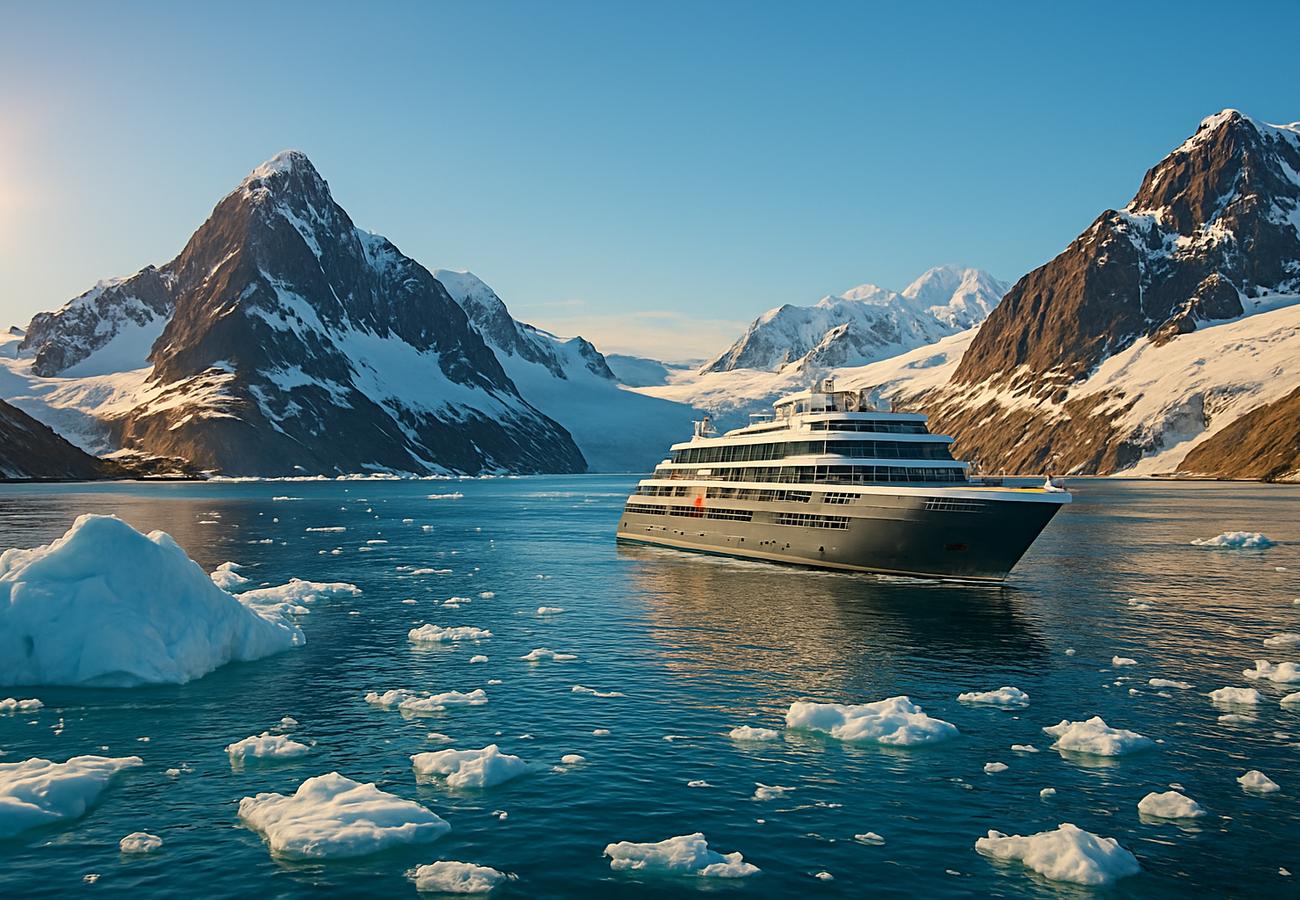
Image generated by AI
Quick Summary
- Antarctica21 has successfully concluded its 2025–26 Antarctic season, achieving a robust 92% occupancy rate with 2,847 passengers representing 53 different nationalities.
- The company operated 42 expeditions across Antarctica, South Georgia, the Falkland Islands, and the Chilean Fjords, leveraging its mature air-cruise model to minimize travel time through the Drake Passage.
- Environmental leadership remained a priority, with the operator maintaining CarbonNeutral certification for the seventh consecutive year and expanding the use of synthetic e-fuel in its Zodiac landing craft.
- Looking ahead, the company is constructing a new 76-guest hybrid diesel-electric vessel at the ASENAV shipyard in Chile, scheduled to debut for the 2026–27 season with reduced underwater noise signatures.
The 2025-26 season marks a period of significant operational stability and technological transition for Antarctica21. By combining high-occupancy commercial success with pioneering investments in green hydrogen-based e-fuels and hybrid propulsion, the operator is setting a new benchmark for responsible high-end expedition travel in the world's most sensitive natural environments.
Antarctica21: 2025-26 Season Performance Data
The following table summarizes the key operational metrics and passenger demographics from the recently concluded polar season.
| Metric | 2025-26 Season Total | Details |
|---|---|---|
| Occupancy Rate | 92% | High demand from 53 nationalities. |
| Total Passengers | 2,847 | Global mix from North America, Europe, and Asia. |
| Number of Expeditions | 42 | Covering Antarctica, South Georgia, & Falklands. |
| Environmental Status | CarbonNeutral | 7th consecutive year of certification. |
| Foundation Support | >$100,000 | Funding for polar science & Punta Arenas communities. |
Pioneering Sustainability: E-Fuels and Hybrid Tech
Antarctica21 continues to lead the polar sector in adopting "low-impact" technologies that protect the fragile Antarctic ecosystem.
- Synthetic E-Fuel Transition: In collaboration with HIF Global, the operator successfully utilized e-fuel produced in southern Chile (using green hydrogen and captured CO2) for its Zodiac shore-landing boats. This fuel requires no engine modification and offers an immediate reduction in operational emissions.
- Next-Generation Hybrid Fleet: A new 76-guest vessel currently under construction at ASENAV will feature a hybrid diesel-electric propulsion system. This design is specifically engineered to improve fuel efficiency and lower underwater noise levels to protect marine wildlife.
- Fleet Modernization: The season also saw the retirement of a vessel that served 15 seasons, signaling a definitive shift toward modern, more efficient ships designed for 2026+ environmental standards.
Regional Impact and Scientific Support
Beyond its maritime operations, Antarctica21 has deepened its commitment to the local communities of southern Chile and the broader scientific community.
- Punta Arenas Hub: The company contributed over $100,000 through its foundation toward scientific research and educational programs in Punta Arenas, strengthening the link between local polar science and global tourism.
- Air-Cruise Model Maturity: The success of the season reaffirms the viability of the air-cruise concept, which flies passengers over the Drake Passage to board ships in Antarctica, significantly reducing the "carbon per passenger day" compared to traditional long-range sea crossings.
FAQ: Antarctica21 Polar Expeditions
What is an 'Air Cruise'? An air cruise allows passengers to fly directly from Punta Arenas, Chile, to King George Island in Antarctica in just two hours, bypassing the potentially rough two-day crossing of the Drake Passage.
Are the new hybrid ships quieter? Yes. The hybrid diesel-electric system being introduced for the 2026-27 season is specifically designed to minimize underwater acoustic pollution, which is critical for the well-being of Antarctic whale and seal populations.
Can I book for the 2026-27 season now? Yes. With the 2025-26 season reaching 92% capacity, travelers are encouraged to book at least 12 months in advance for the inaugural voyages of the new ASENAV-built vessel.
Related Cruise News
Disclaimer
This article is for informational and educational purposes only. It does not constitute legal, financial, or professional advice. While we strive to provide accurate and up-to-date information, travel policies, regulations, and conditions change rapidly. Always verify information with official sources before making travel decisions. Nomad Lawyer makes no representations about the accuracy, reliability, completeness, or suitability of the information provided. Readers should consult qualified professionals for advice specific to their circumstances. The views expressed in this article are those of the author and do not necessarily reflect the views of Nomad Lawyer.
Kunal K Choudhary
Co-Founder & Contributor
A passionate traveller and tech enthusiast. Kunal contributes to the vision and growth of Nomad Lawyer, bringing fresh perspectives and driving the community forward.
Learn more about our team →