
Cape Town Cruise Tourism 2026: R5.7 Billion Impact and Southern Africa Maritime Route Guide
Cape Town's cruise sector generated R5.7 billion over four seasons, cementing its role as Africa's leading cruise hub and expanding maritime connectivity to Namibia and Angola.

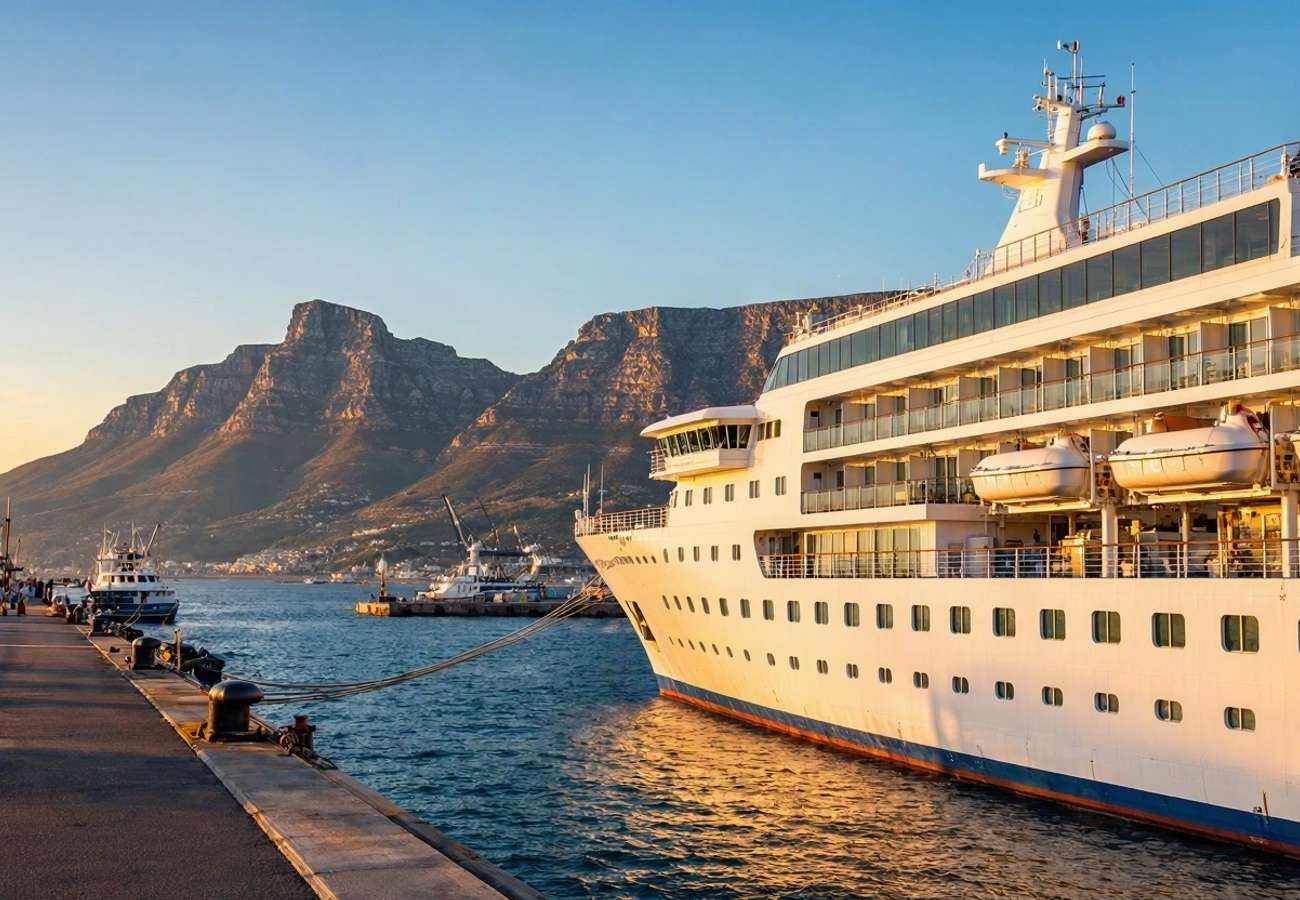
Image generated by AI
Planning a luxury voyage through Southern Africa or a multi-city stopover in the Western Cape? The maritime landscape in Cape Town has shifted, with the city now serving as the primary gateway for a growing network of Atlantic coastal routes.
The Expansion of Cape Town's Maritime Hub
Cape Town has solidified its status as the premier cruise destination in Africa, contributing R5.7 billion to the Western Cape's GDP over a four-season period spanning 2022/23 to 2025/26. This economic surge is not merely about ship arrivals but reflects a deep integration of hospitality, ground transport, and luxury services. According to data released by Wesgro on 23 October 2026, the sector has generated R2.76 billion in household income and R791 million for the national fiscus.
The city's infrastructure has been recognized globally, with the Port of Cape Town securing the title of Africa’s Leading Cruise Port at the 2026 World Travel Awards—a streak that began in 2023. For the traveler, this means enhanced terminal facilities and a high volume of "turnaround" activity, where passengers begin or end their entire voyage.
Route and Schedule Details
The 2025/26 season demonstrated significant resilience. Despite Middle East conflicts causing some schedule volatility, passenger volumes remained high. World cruises, in particular, have emerged as the highest GDP contributors due to the extended stay and higher spending patterns of long-haul travelers.
| Route / Segment | Frequency/Volume (2025/26) | Key Destinations | Economic Impact/Status |
|---|---|---|---|
| Main Hub Transit | 106,240 Passengers | Cape Town Terminal | R1.35 Billion GDP Contribution |
| Regional Coastal | 64 Vessels | Mossel Bay, Hermanus, Saldanha Bay | R11.2 Million (Small Harbor Spend) |
| Atlantic Corridor | Multiple Calls | Walvis Bay $\rightarrow$ Luanda | Active Regional Connection |
| Luxury Long-Haul | High-Value/Low-Freq | Cape Town $\rightarrow$ Namibia $\rightarrow$ Angola | Primary GDP Driver (World Cruises) |
Traveler Logistics Guide
If you are coordinating a trip involving the Cape Town cruise terminal or the wider Southern Africa Cruise Alliance network, follow these logistics steps:
1. Port Arrival and Turnaround Since Cape Town recorded its second-highest volume of embarking and disembarking passengers in the latest season, expect congestion during peak turnaround days. If you are flying into Cape Town International Airport, book your transfer at least 48 hours in advance. Use the Port of Cape Town official guidelines to verify your terminal gate.
2. Regional Visa and Transit Requirements Traveling beyond South Africa requires careful planning:
- Namibia: Most cruise passengers entering via Walvis Bay or Lüderitz on a shore excursion do not require a separate visa, but those extending their stay overland should check current requirements.
- Angola: Transit is becoming more streamlined. In April 2026, the Vasco da Gama brought approximately 1,200 passengers into Luanda. Ensure your passport is valid for six months beyond your stay. Check the Angolan Ministry of Transport for the latest maritime entry protocols.
3. Connection Strategies To maximize the regional network, look for itineraries that combine the Western Cape with the Southern Africa Cruise Alliance destinations. A common high-end route now links Cape Town to Walvis Bay (Namibia) and then north to Luanda (Angola). For example, the Oceania Vista successfully executed a route from Cape Town through Namibia to Luanda in May 2026, carrying 663 tourists.
4. Ground Transport and Local Spend While the main terminal is the hub, luxury travelers should consider excursions to Mossel Bay or Saldanha Bay. These smaller harbors offer a more intimate experience but have limited transport infrastructure; pre-arranged private shuttles are mandatory.
Regional Connectivity Impact
The growth of the Cape Town hub is creating a "maritime corridor" that reduces the reliance on air travel for regional exploration. The synergy between South Africa, Namibia, and Angola is now a documented reality. In May 2026, the Seven Seas Mariner delivered over 500 visitors to Luanda, while the Oceania Vista arrived on 26 May 2026.
This connectivity allows for a hybrid travel model: combining a luxury cruise with South Africa's rail networks or extended stays in the Namib Desert. By linking Walvis Bay with Luanda and Cape Town, the region is effectively competing with Caribbean and Mediterranean cruise circuits for the "World Cruise" market.
FAQ: Cape Town Cruise Logistics 2026
Do I need a visa for shore excursions in Namibia or Angola? Generally, passengers on scheduled cruise calls for short shore excursions are granted temporary entry. However, for those disembarking for extended land tours, a visa is required. Always verify with your cruise line and the respective embassy.
How long should I allow for transfers from Cape Town Airport to the Cruise Terminal? During the 2025/26 peak season, traffic near the harbor increased. Allow at least 60 to 90 minutes for transfers to account for port security and passenger congestion.
Can I book excursions to smaller harbors like Mossel Bay? Yes, but these are typically handled through the cruise line or specialized local operators. These ports do not have the same volume of on-demand taxis as the main Cape Town terminal.
Which vessels are currently serving the Luanda route? Recent 2026 arrivals include the Vasco da Gama, Oceania Vista, and Seven Seas Mariner. These ships typically link Luanda with Walvis Bay, Cape Verde, and Spain.
Navigate the Atlantic coast with precision by aligning your bookings with the Southern Africa Cruise Alliance schedules.
Related Travel Guides
Disclaimer
This article is for informational and educational purposes only. It does not constitute legal, financial, or professional advice. While we strive to provide accurate and up-to-date information, travel policies, regulations, and conditions change rapidly. Always verify information with official sources before making travel decisions. Nomad Lawyer makes no representations about the accuracy, reliability, completeness, or suitability of the information provided. Readers should consult qualified professionals for advice specific to their circumstances. The views expressed in this article are those of the author and do not necessarily reflect the views of Nomad Lawyer.
Kunal K Choudhary
Co-Founder & Contributor
A passionate traveller and tech enthusiast. Kunal contributes to the vision and growth of Nomad Lawyer, bringing fresh perspectives and driving the community forward.
Learn more about our team →