
Bolivia Stands Alongside Colombia and More as South American Places Issues New Travel Chaos Situations Due To Identification, Security and Entry Risks
Bolivia Stands Alongside Colombia and More as South American Places Issues New Travel Chaos Situations Due To Identification, Security and Entry Risks

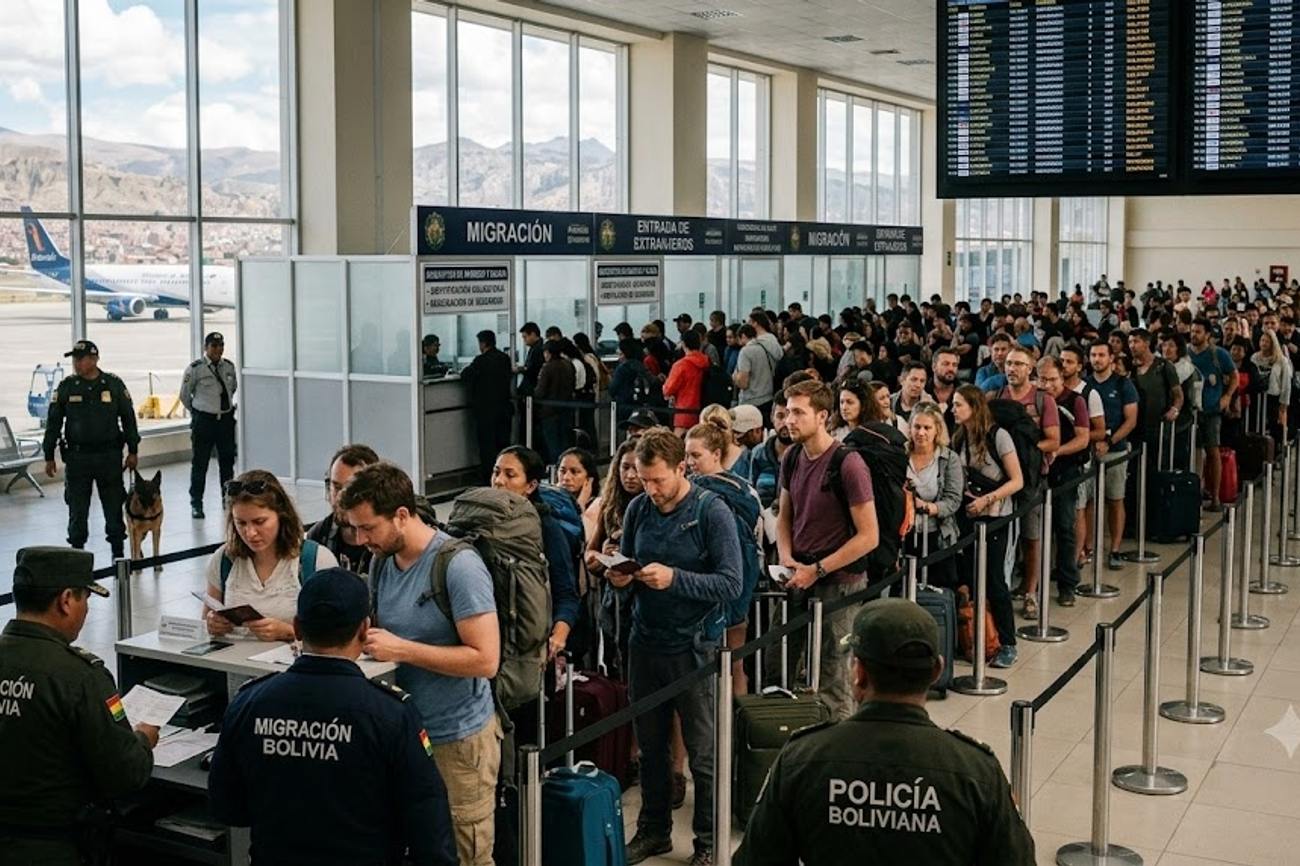
Image generated by AI
The most severe travel warning in the Western Hemisphere is currently reserved for Venezuela, where a Level 4 "Do Not Travel" designation remains in effect as of September 14, 2026. This isn't just about petty crime; the primary danger lies in the high probability of arbitrary detention and the terrifying reality that local authorities often fail to notify foreign governments when a citizen is arrested.
The Fragmented Security Map of South America
Navigating South America right now requires a shift in perspective. You cannot look at a country as a single entity with one safety rating. Instead, the region has become a patchwork of "micro-climates" regarding security. While a national average might suggest one level of risk, specific provinces or border strips can jump several levels of severity in a matter of miles.
In Colombia, for example, the national advisory sits at Level 3, but certain pockets are escalated to Level 4. The danger here is often geographic. If you are sticking to the established corridors of Medellin or Bogota, the experience is vastly different than if you venture toward the land borders. The areas bordering Venezuela are particularly volatile, characterized by a lack of clear marking and a surge in criminal activity that makes these routes hazardous for anyone without professional security.
Peru and Bolivia offer a similar paradox. Both hold a Level 2 national rating, which generally suggests "exercise increased caution." However, both contain "no-go" zones that are Level 4. In Peru, the VRAEM river valley and sections of the Colombian border are high-risk zones due to terrorism and kidnapping. Meanwhile, Bolivia’s Chapare Province is strictly off-limits because of narcotics-related violence and a near-total absence of effective law enforcement.
What Makes the Andean Corridor Different
The experiential uniqueness of these destinations is often tied to their geography—the same rugged terrain that makes them beautiful also makes them difficult to police. In Ecuador, the security risk is not uniform; it is concentrated in the coastal provinces and the northern border regions where organized gang violence has spiked.
The tension in these regions is often invisible until you hit a checkpoint or a provincial line. In Peru, the stability of the southern highlands remains a stark contrast to the volatility of the jungle basins. For the traveler, this means the "safe" experience is entirely dependent on itinerary precision. Visiting UNESCO World Heritage sites like Machu Picchu or the historic center of Cusco remains stable under standard precautions, but a detour into the remote eastern lowlands could land you in a completely different security category.
The regional nature of these warnings means that tourism hasn't stopped, but it has become more surgical. Travelers are no longer "exploring" in the traditional sense; they are navigating specific, vetted corridors.
Visitor Insider Tips
To navigate these regions safely, you need to move beyond the general advice and understand the local operational realities.
Timing and Movement In Colombia and Ecuador, avoid land travel after dark, especially when moving between provinces. Security conditions can shift rapidly, and road blocks (often related to civil unrest or organized crime) are more common at night. Always verify your route with a local contact or a reputable agency 24 hours before departure.
The Border Rule Never attempt "off-road" or unofficial border crossings. In the Andean region, poorly marked land borders are hotspots for arbitrary detention and criminal activity. Stick to official checkpoints and ensure your paperwork is immaculate.
Accommodation Strategy Base yourself in established tourism hubs. In Peru, Cusco remains the gold standard for a secure base of operations. In Colombia, stick to neighborhoods with a high density of international visitors and established security presence. Avoid "budget" excursions that promise to take you "off the beaten path" into border regions.
Local Etiquette and Low Profile In areas of civil unrest, such as parts of Bolivia, avoid wearing clothing that could be mistaken for political or military gear. Keep a low profile and avoid discussing political volatility with strangers in public transport.
Transport Hacks Prioritize internal flights over long-haul bus journeys when crossing high-risk provinces. While more expensive, flying over a Level 4 zone in Ecuador or Colombia is significantly safer than driving through it. Check the Official Colombia Tourism or Peru Tourism portals for updated regional accessibility.
Cultural and Environmental Context
The current security climate is a direct reflection of the struggle between state authority and non-state actors—including narcotics cartels and organized gangs. In places like Bolivia’s Chapare Province, the "Do Not Travel" warning is not just about the risk to the tourist, but about the systemic failure of local law enforcement to maintain order against illicit trade.
Tourism in South America currently exists in a state of tension. While the economic drive to welcome visitors is strong, the reality of "regional volatility" means that local communities in high-risk zones are often isolated from the benefits of tourism. This creates a divide where "tourist bubbles" in cities like Lima or Bogota thrive, while the surrounding rural provinces struggle with instability.
Furthermore, the environmental beauty of the Amazonian fringes and the Andean peaks often masks the presence of organized crime. The preservation of these landscapes is frequently hampered by the same illicit activities that trigger government travel warnings. When you visit, supporting local, community-led tourism initiatives in stable zones helps redistribute the economic benefits of travel away from the corridors controlled by organized crime.
FAQ: Visiting South America 2026
Is it safe to visit Peru and Bolivia? Yes, but only if you avoid specific high-risk zones. Peru is generally Level 2, but avoid the VRAEM valley. Bolivia is Level 2 overall, but you must absolutely avoid Chapare Province due to violent crime.
Can I travel to Venezuela? No. As of September 14, 2026, the U.S. government maintains a Level 4 "Do Not Travel" advisory due to risks of arbitrary detention and personal safety threats.
How should I handle border crossings in Colombia? Avoid land borders, particularly those near Venezuela. These areas are volatile and often lack official markings, increasing the risk of criminal activity or detention.
What is the current situation in Ecuador? Ecuador has significant regional warnings, specifically in coastal provinces and northern borders, due to organized gang violence. Check province-specific guidance before every move.
The map of South America is no longer a single picture, but a mosaic of risks and rewards.
#ColombiaTravel2026 #PeruSafetyGuide #BoliviaTravelAlert #AndeanSecurity #SouthAmericaTripPlanning
Related Travel Guides
- Italy Is Now On Alert Again As Mount Etna Ash Disruption Hits Catania Airport And Travellers See More Delays
- UK Travellers Face New Thailand Visa Rules as Foreign Office Issues Urgent Stay Warning From September 15
- American Tourist Issues Viral Canada Driving Warning After Toronto Highway Experience Leaves Him Shocked
Disclaimer
This article is for informational and educational purposes only. It does not constitute legal, financial, or professional advice. While we strive to provide accurate and up-to-date information, travel policies, regulations, and conditions change rapidly. Always verify information with official sources before making travel decisions. Nomad Lawyer makes no representations about the accuracy, reliability, completeness, or suitability of the information provided. Readers should consult qualified professionals for advice specific to their circumstances. The views expressed in this article are those of the author and do not necessarily reflect the views of Nomad Lawyer.
Preeti Gunjan
Contributor & Community Manager
A passionate traveller and community builder. Preeti helps grow the Nomad Lawyer community, fostering engagement and bringing the reader experience to life.
Learn more about our team →