
Ballard Power Systems Secures Order for 12 Hydrogen Trains to Modernize Romania Rail by 2029
Ballard Power Systems has secured a major order for 24 fuel-cell modules to power 12 Siemens Mireo Plus H trains in Romania, signaling a shift from diesel to hydrogen propulsion by 2029.

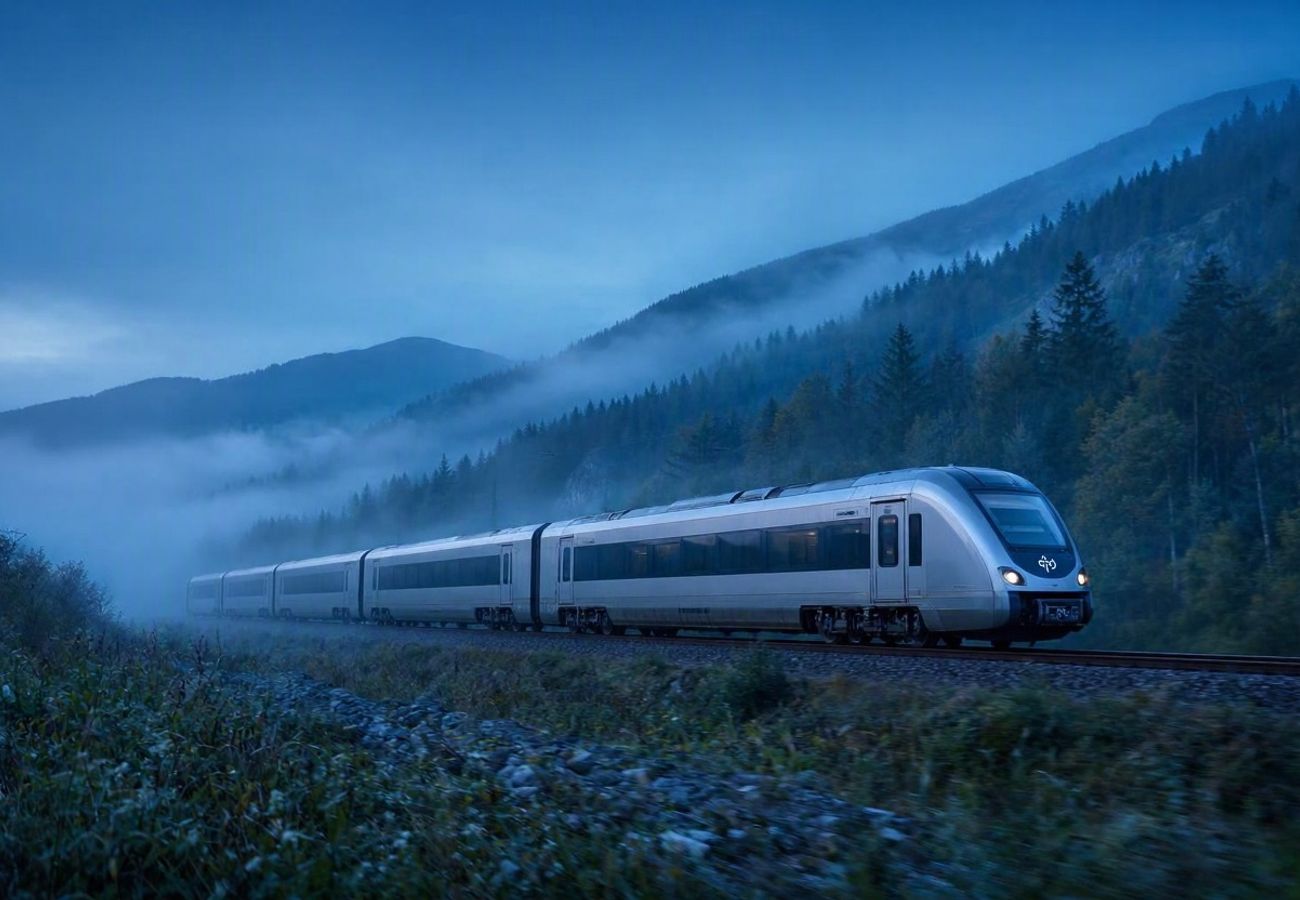
Image generated by AI
While Germany authorized the first Mireo Plus H units for passenger service in December 2024, Romania is now initiating a similar transition with a procurement timeline that extends to 2029. This gap between early adoption in Western Europe and the current rollout in Eastern Europe highlights a staggered regional shift toward hydrogen-powered transit to replace aging diesel fleets on non-electrified lines.
The Hydrogen Transition in Numbers
The recent procurement milestone announced on October 7, 2026, focuses on the propulsion architecture required to move Romania away from diesel dependency. Ballard Power Systems is supplying the core energy components to Siemens Mobility, which serves as the primary rolling stock provider for Romania’s Railway Reform Authority.
The technical specifications of this order are precise: Ballard will deliver 24 FCrail modules. Each individual module is rated at 200 kW, resulting in a total installed fuel-cell capacity of 4.8 MW across the fleet. These units are designed to operate as electric vehicles, utilizing hydrogen fuel cells supported by onboard batteries that recapture energy via regenerative braking.
The fleet consists of twelve two-car Mireo Plus H units. From a passenger capacity perspective, each trainset is configured with 131 fixed seats and 5 folding seats. To accommodate higher demand, the units are engineered to operate in pairs. The maximum operating speed is capped at 120 km/h, a figure that targets regional efficiency rather than high-speed intercity travel.
Comparative Rollout and Market Benchmarks
The Romanian project is not an isolated experiment but a scaling of a platform already tested in the DACH region. By comparing the Romanian timeline with the German precedent, we see a clear pattern of technology migration from central to eastern European markets.
The following table delineates the progression from the initial contract to the expected passenger experience:
| Project Milestone | Date/Timeline | Industry Phase | Impact on Traveler |
|---|---|---|---|
| Siemens Fleet Contract | April 28, 2026 | Procurement | No immediate change |
| Ballard Equipment Order | October 7, 2026 | Supply Chain | Technical validation |
| Fuel-Cell Deliveries | 2027–2028 | Manufacturing | Vehicle assembly |
| Passenger Operations | 2029 | Service Launch | New bookable routes |
This transition aligns with broader goals set by the International Union of Railways (UIC) and the International Energy Agency (IEA) to decarbonize rail corridors where overhead electrification is financially or geographically impractical. The inclusion of a 15-year maintenance and repair contract within the Siemens agreement suggests a long-term commitment to fleet availability, which is a critical metric for regional reliability.
What This Means for Travelers
For the individual traveler or digital nomad operating in Romania, this data indicates that significant changes to regional transit will not occur in the immediate short term. The 2029 target date means that any travel planning for the next 36 months should remain based on existing diesel or electric infrastructure.
Actionable Guidance:
- Avoid Procurement-Based Planning: Do not assume that the announcement of new trains equates to new routes or faster travel times today.
- Verify Existing Connections: Until 2029, rely on current CFR (Căile Ferate Române) timetables for all itinerary planning.
- Monitor Route Announcements: The most critical data point for travelers will be the release of the specific routes these 12 units will serve. Hydrogen trains are typically deployed on "gap" lines—routes that lack overhead wires—meaning these trains will likely open up more sustainable access to rural or mountainous regions.
Forward Projection: The 2029 Horizon
Based on the current trajectory, Romania is positioning itself as a secondary hub for hydrogen rail in Europe. The shift from 2024 (German authorization) to 2029 (Romanian operation) suggests a five-year adoption cycle for this specific technology platform.
The success of this rollout will depend on the "hydrogen ecosystem"—the ability of Romania to produce and transport green hydrogen to refueling depots. Without a synchronized investment in fueling infrastructure, the 4.8 MW of installed capacity will remain underutilized. If the infrastructure scales alongside the rolling stock, we can expect a marked increase in regional accessibility for tourism, as diesel-heavy routes are replaced by quieter, zero-emission alternatives.
FAQ: Romania Hydrogen Rail 2026-2029
Can I book tickets for the hydrogen trains now? No. The current announcements concern the supply of fuel-cell modules and vehicle procurement. Passenger services are not scheduled to begin until 2029.
Will these trains reduce travel time between cities? Not necessarily. While the trains have a maximum speed of 120 km/h, actual travel times are determined by track conditions and timetables, not just the vehicle's top speed.
Which regions in Romania will benefit first? The specific routes have not been published. However, these trains are designed for non-electrified lines, meaning they will likely serve regional routes that currently rely on diesel power.
The transition to hydrogen is a supply-chain victory today, but for the traveler, it remains a distant horizon.
Related Travel Guides
Disclaimer
This article is for informational and educational purposes only. It does not constitute legal, financial, or professional advice. While we strive to provide accurate and up-to-date information, travel policies, regulations, and conditions change rapidly. Always verify information with official sources before making travel decisions. Nomad Lawyer makes no representations about the accuracy, reliability, completeness, or suitability of the information provided. Readers should consult qualified professionals for advice specific to their circumstances. The views expressed in this article are those of the author and do not necessarily reflect the views of Nomad Lawyer.
Preeti Gunjan
Contributor & Community Manager
A passionate traveller and community builder. Preeti helps grow the Nomad Lawyer community, fostering engagement and bringing the reader experience to life.
Learn more about our team →