
Mumbai Expands Metro Network Linking Tourist Hotspots Across City
Mumbai's rapidly expanding metro system, anchored by the underground Aqua Line, has transformed tourist accessibility in 2026 by connecting heritage districts, business hubs, and airports through 33.5km of rapid transit serving over 40 million riders.

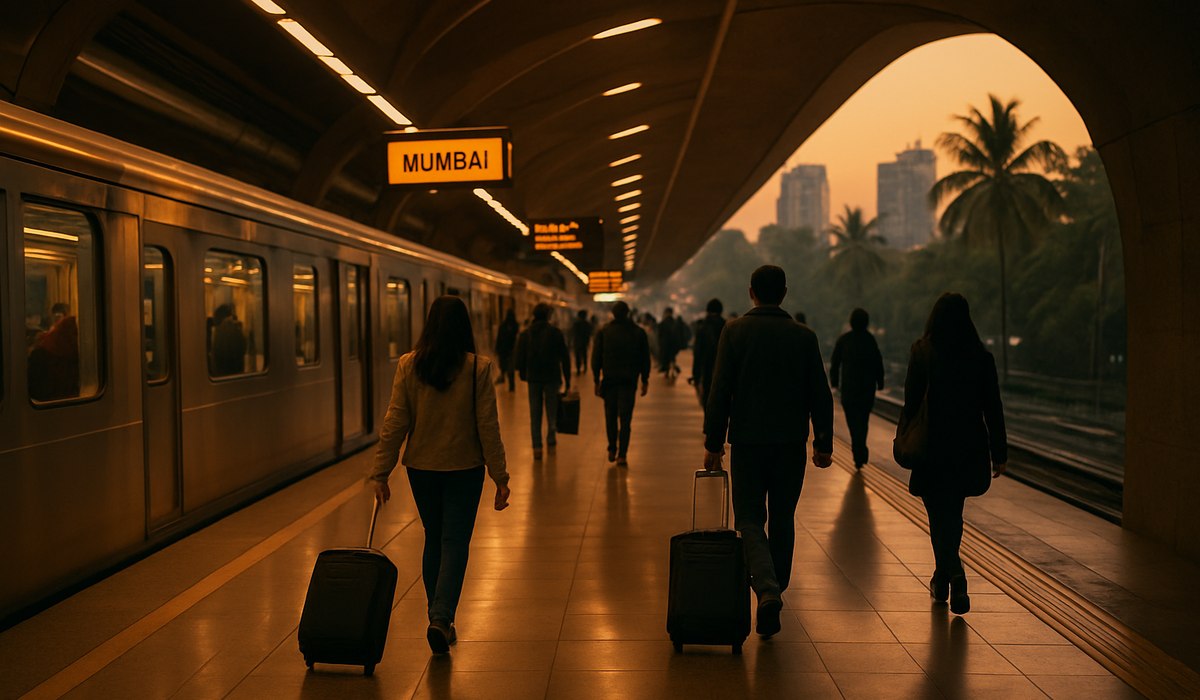
Image generated by AI
Mumbai's Aqua Line Redefines North-South Visitor Movement
The Aqua Line (Metro Line 3) has emerged as the transformational spine of Mumbai expands metro infrastructure, fundamentally reshaping how tourists navigate the city's historic and modern districts. This fully underground 33.5-kilometer corridor connects Aarey in the north to Cuffe Parade in the south, with ridership crossing 40 million passenger journeys in April 2026 alone. The line strategically links Nariman Point, Churchgate, Bandra Kurla Complex, and SEEPZ business zones while placing iconic visitor destinations—including Kala Ghoda arts districts, Marine Drive, and colonial-era landmarks—within predictable commuting timeframes. For international and domestic travelers, the Aqua Line eliminates surface congestion exposure while providing seamless interchanges with Western Railway corridors at Churchgate station, enabling convenient day-trip planning from suburban accommodations to South Mumbai's heritage attractions. Wide concourses, multiple entry points, and feeder bus integrations across underground stations have gradually relieved congestion at traditional suburban rail gateways that previously served as bottlenecks for visitor access.
Aqua Line Transforms North-South Tourist Travel
The underground Aqua Line eliminates the unpredictability of surface traffic that historically plagued visitor journeys between Mumbai's northern suburbs and southern heritage zones. Travelers staying in Bandra, Andheri, or SEEPZ business hotels can now reach Cuffe Parade's waterfront restaurants, Fort's art galleries, and Churchgate's historic architecture within 30-40 minutes of rapid underground transit. The line's design philosophy prioritizes visitor experience through wide platforms, clear wayfinding signage in English and Marathi, and strategic placement of ticket counters near major interchange hubs. Connections at Churchgate enable seamless transfers to local trains serving Colaba and Fort districts, effectively multiplying destination accessibility from a single metro entry point. The Aqua Line's April 2026 milestone of 40 million riders demonstrates its critical role in Mumbai's tourism infrastructure. For detailed route planning and real-time updates, visitors can consult the official Mumbai Metro operator website, which provides multilingual service information and accessibility details. Station-level amenities including WiFi connectivity, ATMs, and tourism information booths enhance the visitor experience across all major stops.
Underground Spine Reduces Surface Congestion for Visitors
Surface-level traffic congestion has long frustrated tourists attempting overland journeys through central Mumbai's densely packed neighborhoods. The Aqua Line's underground alignment bypasses street-level gridlock entirely, guaranteeing consistent travel times regardless of monsoon season disruptions, festival crowds, or peak-hour vehicular traffic. This predictability enables travelers to plan museum visits, heritage walking tours, and restaurant reservations with confidence in arrival windows. Underground stations generate their own microecosystems of retail, hospitality, and services, transforming traditional transit hubs into destination experiences. Visitors report that traveling underground through South Mumbai's oldest districts creates unexpected juxtaposition—experiencing rapid, climate-controlled modernity while passing beneath 19th-century colonial architecture. The Aqua Line's integration with city bus operator initiatives has positioned transit stops closer to hotels, guesthouses, and beach-facing lanes, improving last-mile connectivity for visitors whose itineraries diverge from mainstream tourist corridors. Environmental benefits compound visitor advantages: reduced reliance on taxi services cuts both travel costs and air pollutant exposure, particularly significant for international visitors concerned with air quality during stays.
West-East Corridors Expand Airport and Business District Access
Mumbai expands metro infrastructure westward through Lines 2A and 7, creating elevated corridors that parallel the Western Express Highway and connect leisure zones, shopping districts, and airport precincts. These routes provide genuine alternatives to congestion-plagued road transfers from Chhatrapati Shivaji Maharaj International Airport to central Mumbai hotels. Andheri, Bandra, and Lokhandwala neighborhoods—traditional leisure and entertainment hubs—now benefit from metro accessibility that previously forced visitors into taxi queues and traffic jams. Upcoming completion of Line 2B will establish a continuous west-east connection from Andheri West through Bandra Kurla Complex to Chembur and Mandale, creating a network effect that multiplies destination accessibility. Travelers combining film studio tours, Andheri shopping districts, Juhu beach evenings, and Bandra's upscale dining venues can now design itineraries around metro corridors rather than vehicle availability. City bus operator partnerships positioning stops at metro stations have improved accessibility to smaller boutique hotels and beachfront guesthouses bypassed by traditional transit. For current construction schedules and projected opening dates, the Trainline travel planning platform offers real-time metro expansion tracking across Indian rail networks, useful for visitors planning return trips or extended stays.
Interchange Benefits for Domestic and International Travelers
Strategic interchange points across Mumbai's expanding metro network—particularly at Churchgate, BKC stations, and emerging hub nodes—enable sophisticated journey planning that previously required multiple taxi or auto-rickshaw transfers. Domestic business travelers visiting from Delhi, Bangalore, or Hyderabad can connect from Central Railway or airport rail links directly to Aqua Line platforms, eliminating surface-level transfers entirely. International visitors benefit from interchange infrastructure designed with visual clarity, English signage, and staff multilingual capabilities. The emerging mesh of Lines 2, 3, and 6 creates network redundancy, allowing travelers to choose alternative routes if service disruptions occur during monsoon season or maintenance windows. Family groups appreciate interchange stations' amenities including family restrooms, nursing facilities, and accessible infrastructure for elderly relatives or travelers with mobility challenges. Interchange stations function as mini transportation hubs, consolidating bus terminals, auto-rickshaw stands, and ride-sharing pickup zones in proximity to metro platforms. This consolidation dramatically reduces walking distances and confusion points that historically deterred international visitors from utilizing public transit. Real-time service information displays across interchange stations provide journey updates in English, Hindi, and Marathi, reducing uncertainty for non-local travelers.
Key Facts: Mumbai Metro Expansion 2026
| Metric | Details |
|---|---|
| Aqua Line (Line 3) Length | 33.5 kilometers underground |
| April 2026 Ridership | 40+ million passenger journeys |
| Northern Terminus | Aarey Station |
| Southern Terminus | Cuffe Parade Station |
| Key Tourist Interchanges | Churchgate, BKC, Nariman Point |
| Airport Connectivity | Direct service to both Chhatrapati Shivaji Maharaj International terminals |
| Planned West-East Corridor | Lines 2A, 2B, 7 from Andheri to Chembur |
| Estimated Journey Time | North-South: 30-40 minutes (Aarey to Cuffe Parade) |
| Station Amenities | WiFi, ATMs, tourism information, accessible facilities |
| Expected Impact | Reduced airport transfer times by 25-35 minutes |
What This Means for Travelers
The expansion of Mumbai expands metro infrastructure creates unprecedented convenience for both leisure and business visitors navigating India's financial capital:
-
Predictable Airport Transfers: Chhatrapati Shivaji Maharaj International arrivals can now access Aqua Line platforms within minutes, reaching central hotels in 40-50 minutes regardless of traffic conditions—a dramatic improvement over previous taxi-dependent transfers requiring 60-90 minutes during peak hours.
-
Heritage District Accessibility: Travelers interested in
Disclaimer
This article is for informational and educational purposes only. It does not constitute legal, financial, or professional advice. While we strive to provide accurate and up-to-date information, travel policies, regulations, and conditions change rapidly. Always verify information with official sources before making travel decisions. Nomad Lawyer makes no representations about the accuracy, reliability, completeness, or suitability of the information provided. Readers should consult qualified professionals for advice specific to their circumstances. The views expressed in this article are those of the author and do not necessarily reflect the views of Nomad Lawyer.
Raushan Kumar
Founder & Lead Developer
Full-stack developer with 11+ years of experience and a passionate traveller. Raushan built Nomad Lawyer from the ground up with a vision to create the best travel and law experience on the web.
Learn more about our team →