
Oregon Situated Blue Mountains: Restored Mining Railroad and Gold Rush Heritage
A restored historic railway in Oregon's Blue Mountains connects travelers to a once-thriving gold rush town in 2026. Explore vintage train routes, hiking trails, and a massive antique dredge that document Eastern Oregon's rich mining heritage.

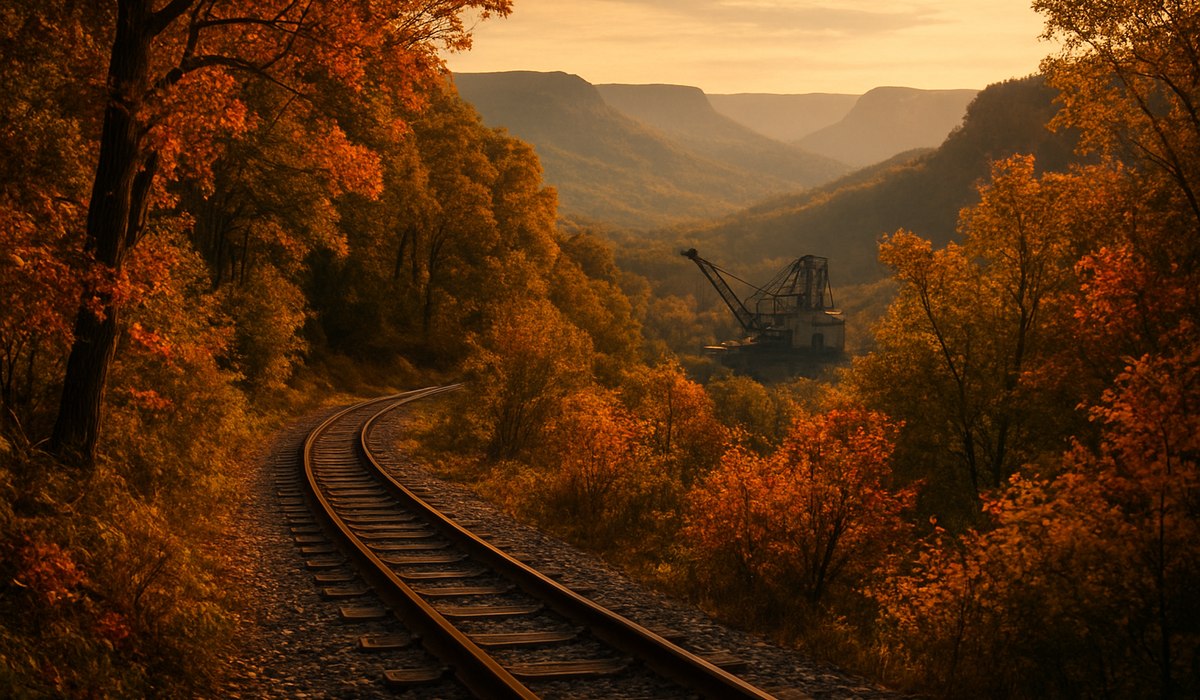
Image generated by AI
Historic Railway Experiences in Eastern Oregon
The restored heritage railway operating through Oregon's Blue Mountains offers one of the Pacific Northwest's most distinctive rail journeys. This scenic train service connects visitors to a once-thriving mining community that flourished during the gold rush era. The route follows the original railway corridor established to transport ore and supplies through the rugged mountain terrain.
The vintage steam and diesel locomotives depart from the main station with several departure times available throughout the week during peak season. Journey duration ranges from two to four hours depending on your chosen route and destination within the Blue Mountains corridor. The railway operator maintains authentic 1920s-era passenger cars, featuring period-appropriate seating and observation windows optimized for mountain vistas.
Tickets can be purchased through the official railway operator's website or via major booking platforms. Standard adult fares range from 45 to 85 dollars per journey. Booking in advance through Trainline often yields discounts of 10 to 15 percent on select departures.
Exploring the Gold Rush Heritage and Mining Dredge
The destination town preserves remarkable industrial archaeology from Oregon's prosperous mining epoch. A centerpiece attraction is the restored dredge—a massive mechanical apparatus that once extracted gold from river sediments. This equipment represents cutting-edge technology from the 1930s and stands as a testament to the engineering ambition that defined the era.
Guided tours of the dredge facility operate daily, with rangers explaining the mechanical systems and mining methodology. The dredge bucket chain system alone spans over 150 feet and remains fully visible from multiple observation platforms. Beyond the mechanical exhibits, the town features a heritage museum documenting personal accounts, mining equipment catalogs, and photographs from the boom years.
Walking tours lead visitors through original buildings from the gold rush period, including restored saloons, mercantile shops, and residential structures. Several buildings remain partially excavated, revealing archaeological layers that illuminate daily life in a remote mining settlement. The historical significance draws academic researchers and industrial history enthusiasts annually.
Outdoor Activities and Hiking Trails
The Blue Mountains region surrounding the railway offers extensive trail networks suited for nomadic travelers and outdoor enthusiasts. Moderate-difficulty paths range from 3 to 8 miles roundtrip, providing accessible options for those of varying fitness levels. Alpine meadows burst with wildflowers in summer months, creating spectacular photography opportunities.
Challenging backcountry routes lead to summit views overlooking multiple mountain ridges and distant high desert plateaus. Water sources along most trails remain reliable through September, though carrying purification tablets is recommended. Wildlife viewing opportunities include Rocky Mountain goats, elk herds, and diverse bird species indigenous to the elevation zone.
The nearby Wallowa-Whitman National Forest provides camping infrastructure with sites ranging from developed facilities to primitive backcountry options. Mountain bike trails have been newly constructed along old mining roads, creating 15 to 30-mile loop opportunities. The region experiences reliable weather patterns June through September, making this the optimal travel window for outdoor activities.
How to Book the Best Fare
Securing economical rail tickets requires strategic planning and awareness of booking windows. Advance reservations made 14 to 21 days prior offer the most substantial savings across all service categories. Weekend and holiday departures command premium pricing, with weekday journeys offering consistent 20 to 30-percent discounts.
Group reservations of 10 or more passengers trigger automated discount calculations, often reducing per-person costs below standard individual fares. Senior travelers and holders of specific national passes receive dedicated pricing tiers not advertised on mainstream booking platforms. The railway operator's loyalty program awards points convertible to future travel credits after three journeys.
Combination packages bundling railway passage with museum admission and guided dredge tours provide superior value compared to à la carte ticket purchases. These packages typically save 35 to 50 dollars per traveler across the full experience portfolio. Booking directly through the operator website occasionally provides exclusive discounts unavailable through third-party platforms.
Planning Your Visit to the Blue Mountains
Optimal visiting occurs from late May through early October when mountain passes remain open and weather patterns support outdoor exploration. Spring runoff peaks in May, creating spectacular waterfall flows but challenging some hiking routes with swollen creek crossings. Winter travel remains possible but requires appropriate snow equipment and experience with avalanche terrain.
The nearest substantial town lies approximately 45 minutes' drive from the railway terminus, offering lodging ranging from budget hostels to upscale mountain retreats. Direct bus service operates twice daily during peak season, with connections available through major transportation hubs. A personal vehicle provides maximum flexibility for exploring secondary trails and remote viewpoints beyond railway accessibility.
Pack layers suitable for dramatic temperature swings, as mountain weather shifts rapidly throughout days. Sun exposure at elevation demands high-SPF protection and quality sunglasses to prevent altitude-related vision strain. Local outfitters rent specialized gear including trail runners, bear canisters, and altitude acclimatization supplements for multi-day excursions.
Key Data Table
| Element | Details |
|---|---|
| Primary Railway Route | Blue Mountains Heritage Line |
| Station Locations | Main Depot to Historic Mining Town (45 miles) |
| Journey Duration | 2.5 to 4 hours depending on route selection |
| Operating Season | May 15 through October 15, 2026 |
| Adult Ticket Price Range | $45–$85 per journey |
| Daily Departures | 2–4 scheduled trains (peak season) |
| Peak Dredge Tour Capacity | 80 visitors per scheduled session |
| Average Trail Difficulty | Moderate (3–8 miles roundtrip) |
| Elevation Gain | 2,400–4,100 feet depending on trail selection |
| Accommodation Options | Hostels, hotels, campgrounds, backcountry sites |
| Nearest Airport | 90 minutes' drive by vehicle |
| Group Discount Threshold | 10+ passengers |
What This Means for Travelers
Remote workers and location-independent professionals can base themselves in this region for extended stays while maintaining productivity and outdoor engagement.
-
Rail-based infrastructure reduces transportation costs and environmental impact compared to car rentals for exploring dispersed attractions throughout the Blue Mountains.
-
Heritage tourism opportunities provide income-generating content creation angles for travel bloggers and digital media professionals documenting industrial archaeology and conservation efforts.
-
Extended season windows from May through October offer eight months of viable travel planning, with shoulder season months providing smaller crowds and reduced accommodation costs.
-
Combined experiences blend cultural heritage education with serious outdoor recreation, satisfying nomadic travelers seeking intellectual engagement alongside physical activity.
-
Trail-to-rail logistics enable day hiking excursions followed by evening returns via vintage railway, eliminating the need for multi-night backcountry camping if preferred.
FAQ
What is the minimum advance booking window for securing discount fares? Fourteen to twenty-one days prior departure typically yields the strongest savings. Last-minute availability often exists but carries premiums of thirty percent or higher above advance pricing tiers.
Are pets permitted on heritage railway coaches? Small pets in carriers occupy assigned seating areas, though additional fees apply. Contact the operator directly regarding service animal accommodations and documentation requirements.
Which hiking trail offers the best views of the surrounding mountain ranges? The 7-mile Alpine Ridge Loop provides unobstructed 360-degree panoramas at its summit. Weather patterns can obscure views, making early morning departures advisable for optimal conditions.
Does the railway operate during winter months? Limited seasonal service continues through early December weather permitting. Most routes close from January through April due to snow accumulation on mountain passes and operator maintenance schedules.
Related Travel Guides
Preeti Gunjan
Contributor & Community Manager
A passionate traveller and community builder. Preeti helps grow the Nomad Lawyer community, fostering engagement and bringing the reader experience to life.
Learn more about our team →