
Australia Issues Travel Advisory for Turkey Citing Border and Safety Risks
Australia's updated travel warning advises citizens to exercise a high degree of caution in Turkey due to terrorism threats and border security risks.

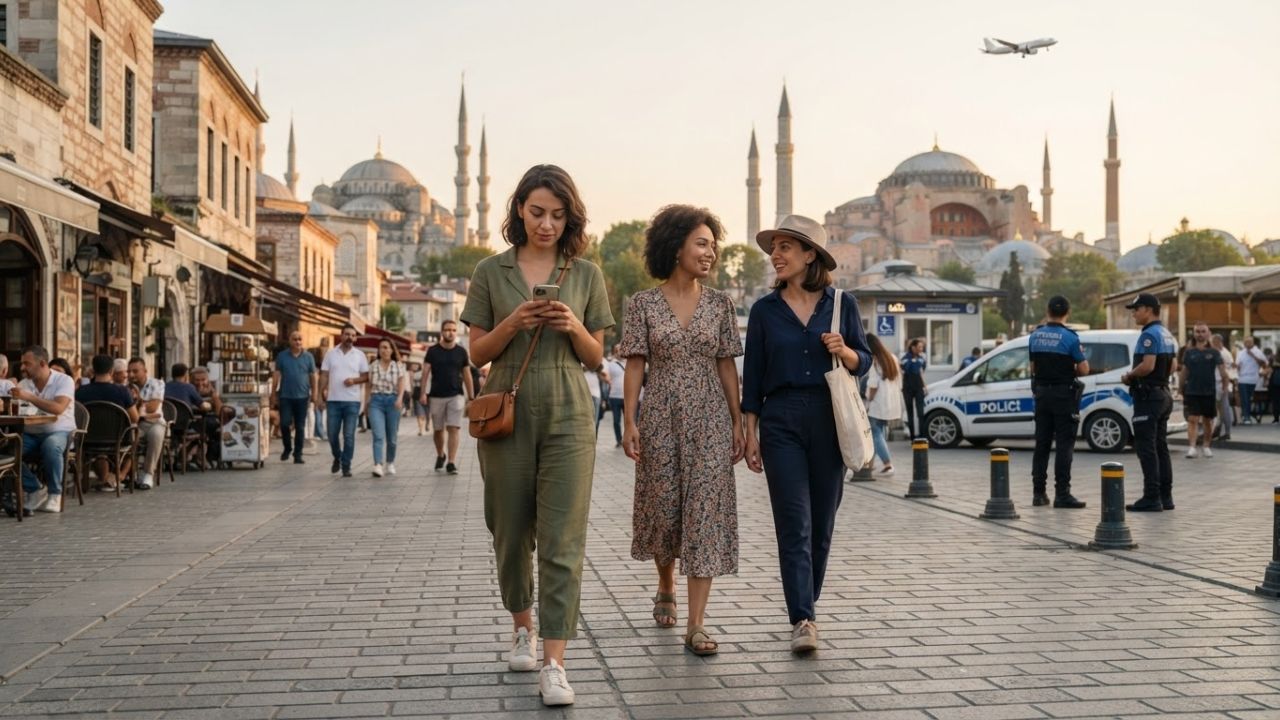
Image generated by AI
The Australian Government's Smartraveller service has updated its travel advisory for Turkey, warning citizens to exercise a high degree of caution due to ongoing terrorism threats and regional security concerns. While the advisory does not restrict travel to popular destinations like Istanbul and Cappadocia, it establishes a strict 'do not travel' ban within 10 kilometers of the Syrian border.
The Scope of Australia's Updated Security Warning
The international travel sector has received updated guidance regarding safety conditions in the eastern Mediterranean. On August 16, 2026, the Australian Government updated its official travel warning for Turkey (Türkiye). The advisory instructs Australian travelers to exercise a high degree of caution throughout the country, citing the persistent threat of terrorism, border security concerns, and regional instability linked to conflicts in the Middle East.
This update is particularly relevant as international visitor arrivals continue to recover, bringing larger crowds to Turkey's historic cities. The increased passenger volumes at airports and major transit points require local security services to implement stricter control measures. Australian travelers are advised to expect longer queues at checkpoints and to cooperate fully with security personnel to ensure a safe journey.
The warning does not advise travelers to cancel their trips or avoid Turkey entirely. Instead, it urges visitors to remain highly alert in public spaces, avoid high-risk border regions, and closely monitor local security developments. While popular tourist hubs like Istanbul, Antalya, and Cappadocia remain open and continue to welcome millions of visitors, Australian authorities emphasize that safety incidents can occur without warning, even in locations that normally feel secure.
Syria Border Restrictions and High-Risk Provinces
A key focus of Australia's updated travel warning is the security situation along Turkey's southern border. Smartraveller advises Australians not to travel within 10 kilometers of the Turkey–Syria border due to serious safety threats:
- Ongoing Armed Conflict: The border region remains highly sensitive, with active conflict and military operations.
- Violence and Terrorism: Border zones are vulnerable to cross-border security incidents and violent encounters.
- Limited Assistance: Consular assistance is not available in these areas, and local emergency response may be restricted.
This 10-kilometer border exclusion zone is strictly monitored by Turkish military forces, and unauthorized entry is prohibited. Travelers who violate these restricted zones may face detention or deportation by local security forces. By keeping clear of these sensitive border sectors, visitors protect their personal safety and avoid complicating the operations of border control agencies.
Additionally, the advisory highlights Hakkari and Sirnak provinces in the southeast, urging travelers to reconsider their travel plans due to unpredictable security conditions. For tourists visiting major heritage sites in western and central Turkey, these border restrictions have little direct impact on daily itineraries. However, authorities recommend that all travelers maintain awareness of regional geopolitical conditions, as local security stances can adjust quickly in response to neighboring events.
Flight Disruptions, Airspace Closures, and Exit Options
The travel warning also addresses the broader impact of Middle East tensions on international transit. Regional instability can lead to sudden airspace restrictions, security incidents, or military activity.
These factors can cause flight delays, reroutings, or cancellations with limited notice. Travelers are advised to confirm their flight status directly with airlines or travel providers before departure. Even if a journey does not cross active conflict zones, international aviation corridors may experience congestion or operational changes. Australia warns that entering areas affected by armed conflict can limit a traveler's ability to leave the country quickly if local security conditions deteriorate.
Protests, Demonstrations, and Public Safety
Large-scale protests and political demonstrations can occur in major Turkish cities, including Ankara and Istanbul. While many public gatherings begin peacefully, they can escalate quickly and turn violent.
To maintain personal safety, travelers should observe several guidelines:
- Avoid political gatherings, protest sites, and demonstrations.
- Steer clear of areas with a heavy police or security force presence.
- Leave immediate protest areas if crowds begin to gather or tensions increase.
- Monitor local news sources for updates on public transit disruptions or road closures.
Local authorities may introduce transport restrictions or temporary bans on public gatherings during sensitive periods, requiring visitors to adapt their travel plans.
Environmental Hazards: Earthquake Risks and Emergency Procedures
Alongside security concerns, Australia reminds travelers that Turkey is located in a highly active seismic zone. The country is vulnerable to earthquakes, and aftershocks can continue for days or weeks following a major event.
Travelers should familiarize themselves with local emergency procedures and know how to respond during a tremor (Drop, Cover, and Hold). In the event of a significant earthquake, follow all instructions from local safety authorities, monitor emergency broadcasts, and avoid entering damaged buildings. Natural disasters can also cause transport delays and limit access to municipal services.
Health Warning: Counterfeit Alcohol and Methanol Poisoning
A critical health warning is included in the updated advisory, warning travelers of the dangers of counterfeit alcohol. Turkey has recorded deaths and serious illnesses linked to methanol poisoning from illegally produced spirits.
Methanol is a toxic substance used in bootleg alcohol or counterfeit bottles of established brands. It cannot be identified by taste or smell, making it difficult for consumers to detect. Travelers should only purchase and consume alcoholic beverages at licensed, reputable hotels, restaurants, and bars, and avoid homemade or unverified alcohol.
Symptoms of methanol poisoning include:
- Severe nausea and vomiting.
- Dizziness and loss of balance.
- Vision problems, including blurred vision or blindness.
- Difficulty breathing and abdominal pain.
If travelers suspect methanol poisoning after consuming alcohol, they should seek urgent medical assistance immediately.
Visitor Guide: Dining Specialties, Secure Transport, and Local Help
A comfortable and safe visit to Turkey involves planning transportation, observing health guidelines, and tasting regional culinary specialties. By preparing in advance, travelers can enjoy a secure vacation.
Sample traditional Turkish culinary specialties during your stay. Order pide, a boat-shaped flatbread baked in wood-fired stone ovens and topped with minced meat, cheese, spinach, or Turkish sausage. Try authentic kebabs, grilled seasoned meats served with flatbread and grilled vegetables, and enjoy Turkish tea (Çay), the national beverage served in small, tulip-shaped glasses, which represents local hospitality.
Drink only bottled water during your stay, and use it for brushing teeth. Avoid ice in drinks unless it is made from purified water, and ensure that all alcoholic beverages are opened in your presence from sealed, labeled bottles at reputable establishments.
Utilize secure transportation options. Use only registered yellow taxis equipped with working taximeters, or book transfers through official ride-sharing applications or your hotel concierge. Keep digital copies of your passport, visa, and insurance policy saved on a secure cloud storage drive.
Save emergency numbers on your phone before arrival. In Turkey, dial 112 to reach all emergency services, including police, ambulance, and fire services. This number is free and available 24/7. If you require consular assistance, contact the Australian Embassy in Ankara or the Consulate-General in Istanbul.
Future Outlook: Rebuilding Sustainable and Secure Mediterranean Tourism
The long-term success of tourism in Turkey depends on coordinating security measures with sustainable development. The Ministry of Culture and Tourism is implementing policies to manage visitor flows and protect heritage sites.
Sustainable initiatives include enhancing safety patrols in historic districts, upgrading public transit networks, and promoting off-season travel during the spring and autumn months. By protecting both visitors and local communities, Turkey aims to maintain its position as a leading Mediterranean destination, securing a stable economic future for its tourism sector.
Related Travel Guides
Disclaimer
This article is for informational and educational purposes only. It does not constitute legal, financial, or professional advice. While we strive to provide accurate and up-to-date information, travel policies, regulations, and conditions change rapidly. Always verify information with official sources before making travel decisions. Nomad Lawyer makes no representations about the accuracy, reliability, completeness, or suitability of the information provided. Readers should consult qualified professionals for advice specific to their circumstances. The views expressed in this article are those of the author and do not necessarily reflect the views of Nomad Lawyer.
Naina Thakur
Contributor & Travel Specialist
Travel enthusiast and legal writer covering visa regulations, responsible tourism, and cultural journeys across global destinations.
Learn more about our team →