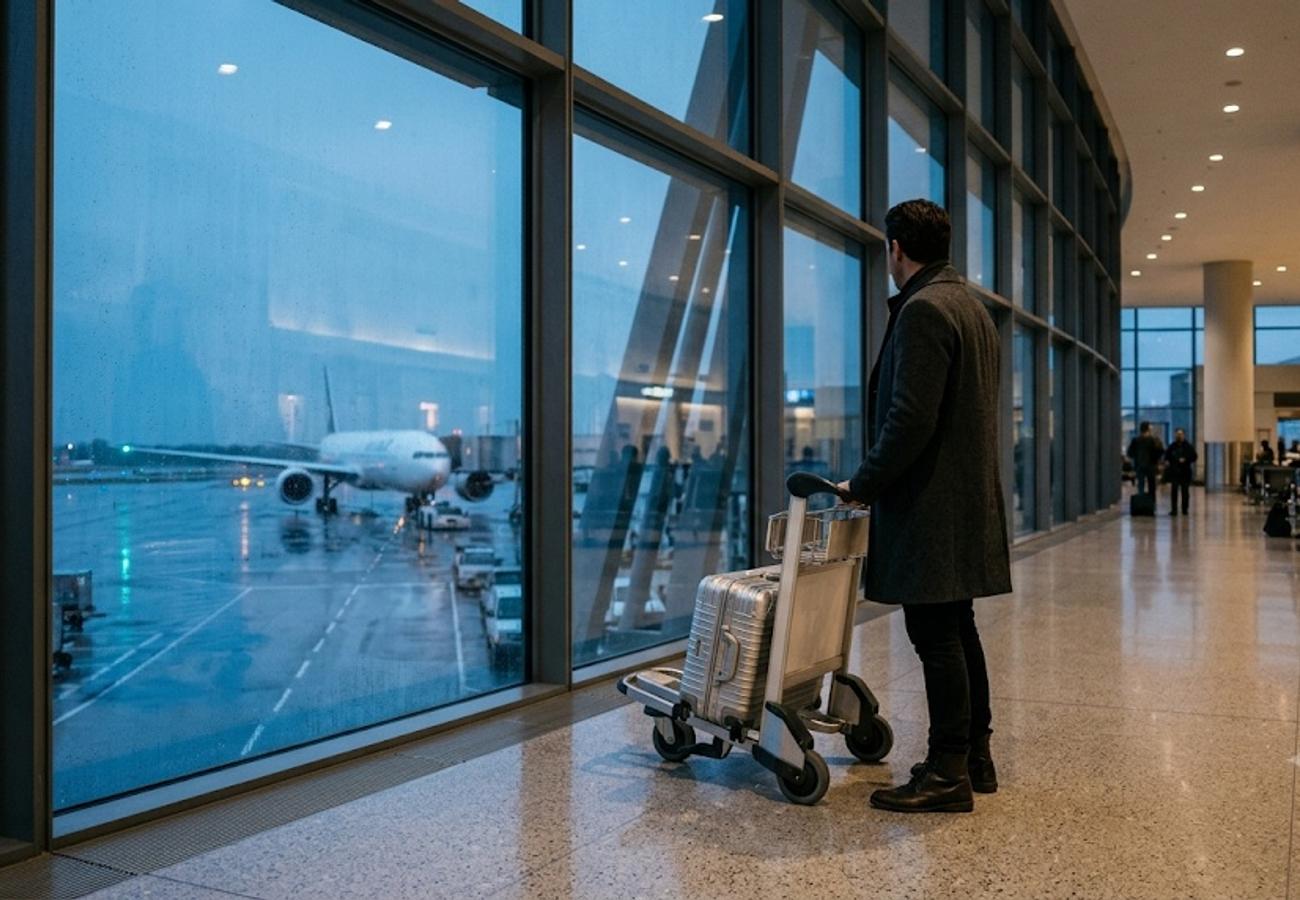
Oceania Tourism Shifts to Night-Time Operations to Combat Extreme Heatwaves in 2026

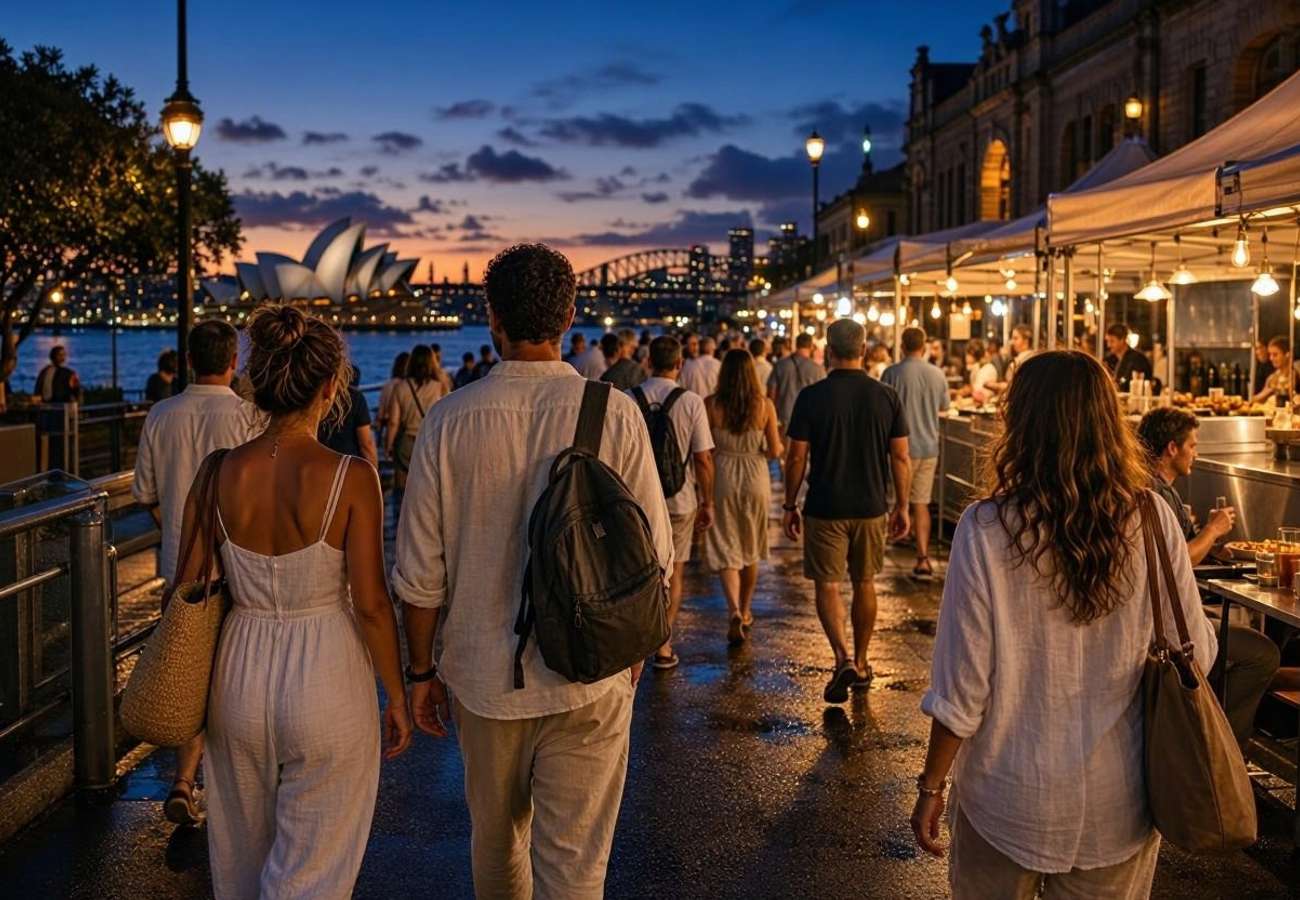
Image generated by AI
[Sydney, November 5, 2026] — Tourism authorities across Australia, New Zealand, and the South Pacific are fundamentally restructuring their visitor economies, migrating major events and sightseeing activities from daytime to nocturnal schedules to combat escalating thermal hazards.
The shift is a direct response to intensified diurnal heating and solar irradiation, which have rendered traditional mid-afternoon operational windows dangerous for both athletes and tourists. By implementing "climatically adaptive twilight regimes," regional governments aim to protect public health while preventing the massive financial losses associated with heat-driven event cancellations. This systemic pivot is revitalizing night-time hotel zones and expanding the "overlanding" economy, as travelers are encouraged to explore regional highways and First Nations enterprises during cooler periods.
Thermal Hazards Triggering the Shift
The transition is driven by a failure of traditional meteorological readings to capture the true physiological strain on the human body. Standard air temperature does not account for the combined impact of humidity and radiant heat, which can impede sweat evaporation and lead to fatal heat stroke.
To manage this, authorities are now utilizing the Wet-Bulb Globe Temperature (WBGT) index. This metric, used by the World Meteorological Organization and various athletic bodies, integrates natural wet-bulb temperature, radiant black globe temperature, and ambient dry-bulb temperature. In northern Australian hubs like Darwin, Townsville, and Cairns, sensors have recorded black globe temperatures exceeding 57.6°C, even when shade temperatures remained at 41.9°C.
Operational Thresholds for Event Safety
Public agencies are now enforcing rigid intervention thresholds based on WBGT measurements. When temperatures cross specific markers, events are either modified or mandatory suspended.
WBGT Index and Operational Mandates
| WBGT Index Band (°C) | Ambient Condition Equivalents | Heat Strain Risk | Operational Action Mandate |
|---|---|---|---|
| < 20.0 | < 24°C, Moderate Humidity | Low Risk | Unrestricted activity; standard hydration. |
| 20.0 – 25.9 | 24°C – 29°C, RH > 60% | Moderate Risk | Scheduled hydration breaks; shade provisions. |
| 26.0 – 29.9 | 30°C – 35°C, RH > 50% | High to Very High | Activity caps < 60 mins; active misting. |
| $\ge$ 30.0 | > 36°C, RH > 30% | Extreme Risk | Mandatory suspension; reschedule to night. |
Who Is Affected
The restructuring impacts a broad spectrum of the Oceania travel market, moving the "peak" of economic activity from 11:00–15:00 to 17:00–21:00 and beyond.
- Sports & Entertainment: Motorsport rounds, outdoor music festivals, and athletic tournaments are being systematically moved to twilight and night slots.
- Regional Infrastructure: Remote caravan parks and outback roadhouses are seeing a surge in "overlanding" traffic as travelers avoid midday road travel.
- Hospitality: City hotel zones are seeing a reallocation of spending, with high-velocity transactions in food and beverage now peaking between 21:00 and 03:00.
- Environmental Zones: Wildlife refuges and marine reserves are facing new challenges due to increased night-time noise pollution and atmospheric sound propagation.
What This Means for Travelers
For those booking trips to Australia or New Zealand in 2026, the "standard" vacation itinerary is effectively obsolete.
1. Schedule Inversion: Expect your primary activities—tours, stadium events, and outdoor excursions—to begin after 17:00. Midday periods are now designated for "distributed retail patronage" or indoor boutique hospitality.
2. Transport Changes: Regional travel is shifting toward an "overlanding" model. Travelers are encouraged to use designated highway corridors and stay in regional hubs, moving between destinations during the early morning or late evening to avoid peak radiative loads.
3. Health Compliance: Visitors should be aware that Sports Medicine Australia guidelines may be enforced at venues. This means mandatory hydration intervals and potential event postponements if WBGT thresholds are breached.
The Future of Nocturnal Tourism
The transition requires significant capital expenditure (CapEx) in broadcast-grade lighting and electrical grid upgrades to support permanent night-time fixtures. While the move protects the economy from "catastrophic heat-cancellation liabilities," it creates a new need for "acoustic zoning."
Because sound waves propagate more effectively during night-time atmospheric inversions, cities are now implementing spatial soundscaping to prevent noise from disturbing "sleep-tourism" precincts and protected bioacoustic refuges. The goal is to transform host municipalities from short-stay gateways into anchors for multi-day, climate-resilient expeditions.
FAQ: Oceania Night Tourism 2026
Will my daytime tour be cancelled? If the Wet-Bulb Globe Temperature (WBGT) reaches 30.0°C, strenuous outdoor activities are typically suspended. Most operators are rescheduling these to twilight windows (17:00–21:00) to ensure safety.
How does this affect hotel bookings? Expect higher activity and pricing in "night-time city hotel zones." Many hotels are adapting their services to cater to a guest base that is active from 21:00 until 03:00.
Is it safe to drive across the Outback during the day? Authorities strongly discourage midday travel during heatwaves. The new "overlanding" strategy encourages driving during cooler nocturnal or early morning windows to avoid vehicle overheating and heat exhaustion.
What is the WBGT index? Unlike a standard thermometer, the WBGT index measures heat stress by combining temperature, humidity, wind speed, and solar radiation to determine the actual physiological risk to humans.
The sun is no longer the primary draw for Oceania tourism; the moon is taking over.
Related Travel Guides
This article is for informational purposes. Flight routes, passenger regulations, visa rules, and transit advisories are subject to change by airlines and aviation authorities. Readers are advised to verify schedules and travel documentation with relevant carriers and border agencies before departure.
Related Stories

Japan Implements New Tax Refund Rules 2026: Tourists Must Pay Upfront and Pass Exit Checks

Germany and UK Lead Europe as Business Travel Spending Hits €404 Billion in 2026