
Fiji Declares National HIV Emergency After Record Cases Surge, Prompting Fresh Travel Health Focus
Fiji Declares National HIV Emergency After Record Cases Surge, Prompting Fresh Travel Health Focus

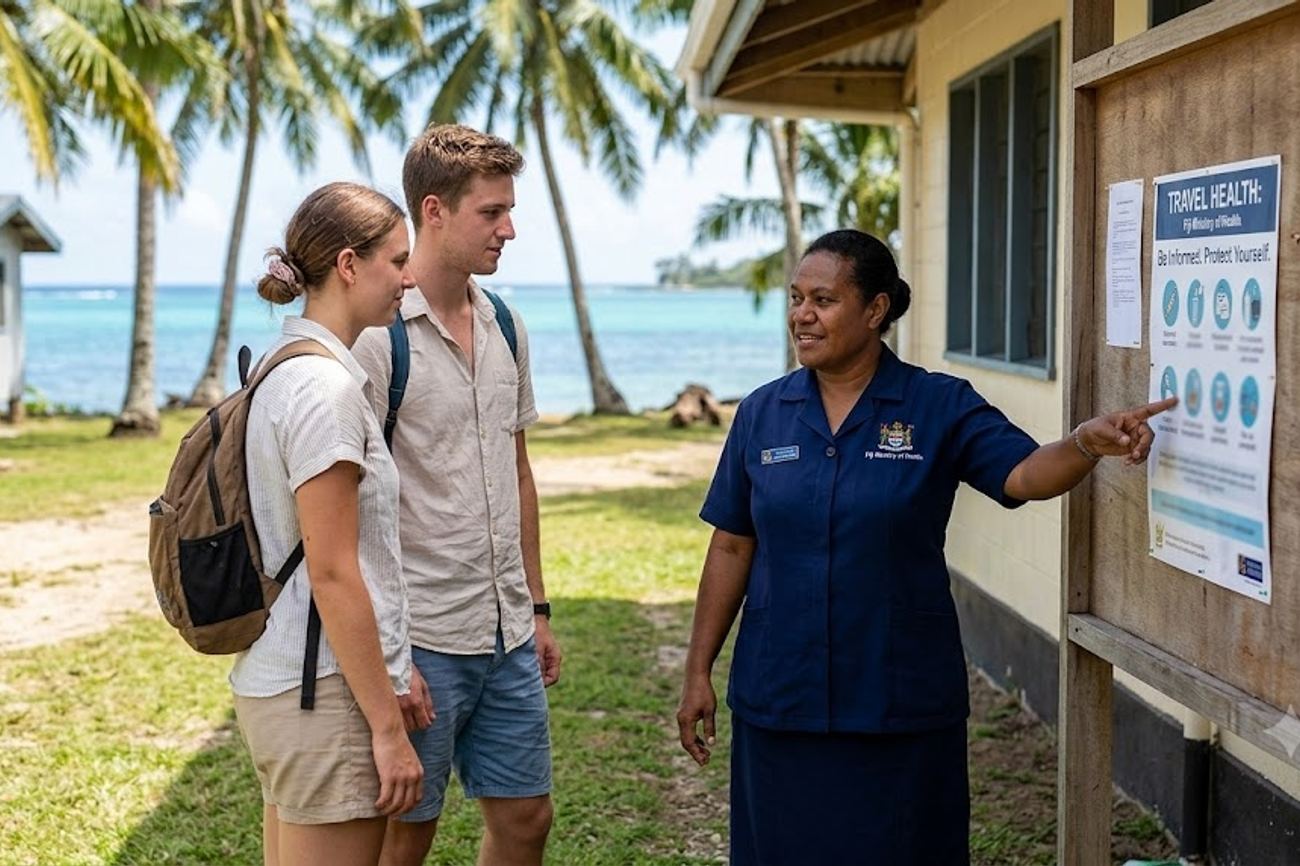
Image generated by AI
[Suva, September 15, 2026] — Fiji has declared a national HIV emergency following a drastic surge in infection rates that now see approximately one in every 60 adults living with the virus.
Health Minister Ratu Atonio Lalabalavu formalized the emergency declaration on September 15, 2026, after a previous outbreak response failed to halt the acceleration of diagnoses. The move, endorsed by the Cabinet, establishes a comprehensive cross-government framework to manage an epidemic that has seen adult prevalence jump from one in 167 people five years ago to the current one in 60 ratio.
The Surge in Diagnoses
The emergency follows a record-breaking year for health surveillance. In 2025, Fiji recorded 2,016 new HIV diagnoses, marking the highest annual total since the nation began tracking the virus. This represents a 27% increase over the 1,583 diagnoses reported in 2024. Between 1989 and 2025, the cumulative number of reported diagnoses in the country has reached 5,676.
Health officials note that these figures are a combination of actual transmission growth and improved detection. Following an initial outbreak declaration in January 2025, the government aggressively expanded testing protocols, uncovering a significant number of previously undiagnosed cases. This is particularly evident in the Central and Eastern regions, where new diagnoses skyrocketed from 135 in 2022 to 1,376 in 2025.
Despite the increase in detection, a critical treatment gap persists. According to data from UNAIDS, an estimated 9,100 people were living with HIV in Fiji in 2025. However, only 39% of that population was aware of their status, and a mere 22% were receiving essential antiretroviral treatment.
Affected Travelers, Airlines and Logistics
The epidemic is characterized by specific transmission drivers and geographic hotspots. The impact is not uniform across the population, but rather concentrated within specific behavioral and regional groups.
| Impact Category | Data / Detail |
|---|---|
| Primary Transmission Drivers | >50% Sexual transmission; >42% Injecting drug use |
| Regional Hotspots | Central and Eastern Fiji (1,376 cases in 2025) |
| Treatment Gap | 78% of infected individuals not accessing antiretrovirals |
| Growth Rate | 12-fold increase in new infections (2010–2025) |
| High-Risk Factors | Lack of sterile injecting equipment (per World Health Organization) |
Practical Traveler Advisory and Strategic Insights
For the millions of international tourists who visit Fiji annually, the national emergency declaration does not translate to a change in travel restrictions or a general risk associated with standard tourism activities.
Entry and Immigration There are currently no mandates requiring international visitors to undergo HIV testing to enter the country. Tourism remains a permitted purpose of entry, and visitors continue to receive permits on arrival based on their nationality. Travelers should continue to monitor official Fiji Immigration updates for any changes to health-related entry requirements.
Daily Activity Risk The risk of HIV transmission during a standard holiday is negligible. The virus is not transmitted through:
- Swimming pools, beaches, or ocean activities.
- Sharing hotel rooms or resort accommodations.
- Casual physical contact, such as hugging or shaking hands.
- Consuming local food or drinking water.
Medical Access Travelers who are living with HIV and require consistent antiretroviral therapy should ensure they carry a sufficient supply of medication and a valid prescription. While Fiji is expanding its internal treatment capacity, relying on local pharmacies for specialized medication during a short-term visit is not recommended.
The National Response Strategy
The Fijian government is shifting from a reactive outbreak response to a sustained national strategy. This includes a significant financial commitment, with FJ$10 million allocated to the HIV response in 2025. International support has also played a role, with Australia contributing approximately FJ$1.6 million in biomedical equipment, rapid testing kits, and antiretroviral medicines.
The government's current roadmap focuses on several key pillars:
Prevention and Harm Reduction A primary focus is the introduction of needle and syringe services to combat the high rate of transmission linked to injecting drug use. The government is also broadening access to pre-exposure prophylaxis (PrEP) and expanding point-of-care testing to reach remote populations.
Clinical Care Fiji is working to close the treatment gap by providing free HIV treatment for all diagnosed citizens. The goal is to increase the percentage of patients with an undetectable viral load, which, according to WHO guidelines, prevents the sexual transmission of the virus.
Public Health Infrastructure Efforts are underway to strengthen laboratory capacity and disease monitoring. This includes community outreach programs designed to reduce the social stigma associated with HIV, which health officials believe has historically prevented individuals from seeking testing and treatment.
Maternal Health Specific measures are being implemented to prevent mother-to-child transmission, ensuring that newborns are protected through screened pregnancies and targeted medical interventions.
FAQ: Fiji HIV Emergency 2026
Do I need an HIV test to visit Fiji? No. There are currently no requirements for tourists to provide HIV test results or undergo screening to enter Fiji for tourism purposes.
Is it safe to use hotel pools and beaches in Fiji? Yes. HIV is not transmitted through water, swimming pools, or casual contact. Standard resort and beach activities carry no risk of HIV transmission.
What should I do if I am HIV-positive and traveling to Fiji? Bring an ample supply of your prescribed antiretroviral medications and a copy of your prescription. Continue your regular treatment plan as directed by your physician.
Does this emergency mean the virus is spreading among tourists? No. The emergency is a response to domestic public health trends and transmission patterns within the local population, specifically linked to sexual transmission and drug use.
Fiji's escalation to a national emergency signals a critical turning point in the Pacific's battle against the epidemic.
Related Travel Guides
Disclaimer
This article is for informational and educational purposes only. It does not constitute legal, financial, or professional advice. While we strive to provide accurate and up-to-date information, travel policies, regulations, and conditions change rapidly. Always verify information with official sources before making travel decisions. Nomad Lawyer makes no representations about the accuracy, reliability, completeness, or suitability of the information provided. Readers should consult qualified professionals for advice specific to their circumstances. The views expressed in this article are those of the author and do not necessarily reflect the views of Nomad Lawyer.
Kunal K Choudhary
Co-Founder & Contributor
A passionate traveller and tech enthusiast. Kunal contributes to the vision and growth of Nomad Lawyer, bringing fresh perspectives and driving the community forward.
Learn more about our team →